If you own a uPVC front or back door anywhere in Leeds, there’s a good chance it’s fitted with a standard euro cylinder lock and that’s a problem. Lock snapping is still one of the most common ways burglars break into homes across the UK, and it can take as little as 60 seconds with nothing more than a wrench or a screwdriver. No alarm trips, no broken glass, no noise for neighbours to notice.
The good news: this specific technique has a specific fix. An anti-snap lock is built to stop exactly this method of entry, and upgrading to anti snap locks Leeds homeowners can trust is one of the cheapest, fastest security improvements any property owner can make. In this guide, we’ll break down how lock snapping actually works, which other burglary techniques anti-snap locks defend against, how to spot the best anti snap locks on the market, and how to tell if your current locks are putting your home at risk.
What Is an Anti-Snap Lock?
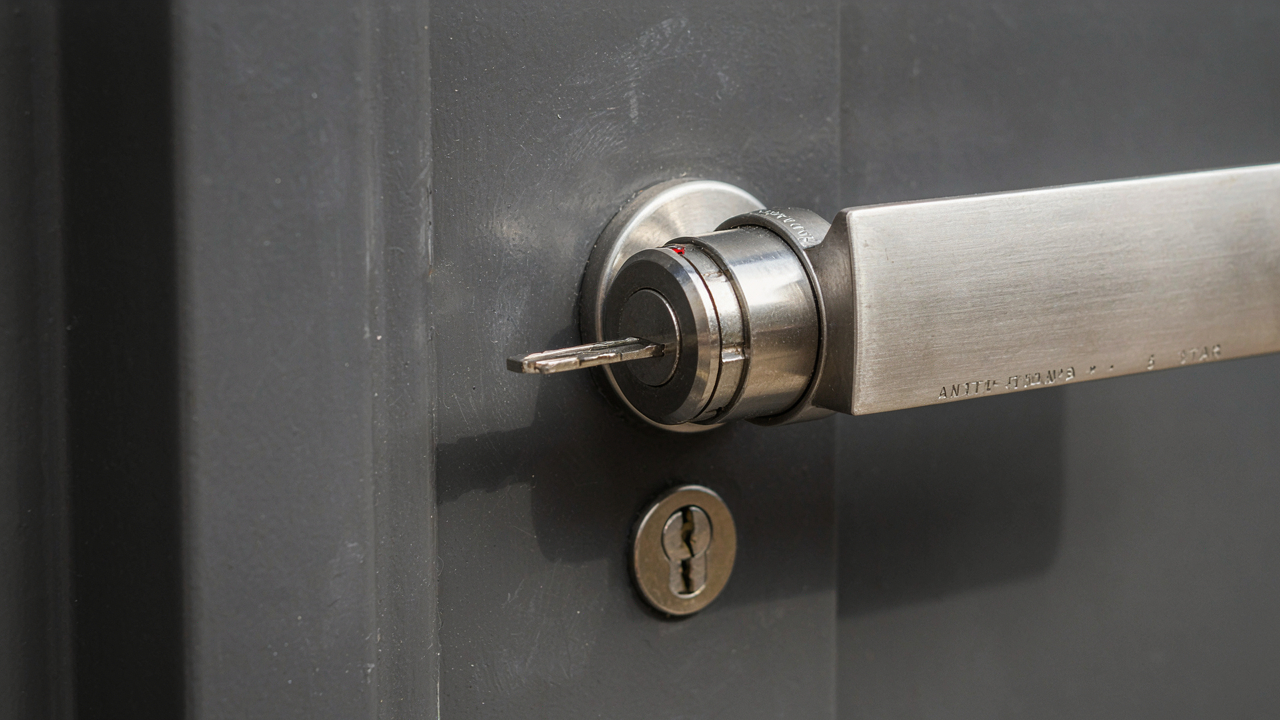
An anti snap lock is a euro cylinder lock designed with a sacrificial snap point. If a burglar tries to force or snap the cylinder, the weakest part of the lock breaks away first but the internal locking mechanism stays intact on both sides of the door, so the door cannot be opened. Standard euro cylinders lack this design, which means a single snap breaks the lock in two and exposes the internal mechanism, letting an intruder turn it by hand and walk straight in.
Why Lock Snapping Became So Common
Euro cylinder locks became the standard fitting for uPVC and composite doors across the UK over the last two decades, largely because they’re easy to install and fit a wide range of multi-point locking systems. The problem is that older, standard cylinders have a narrow point roughly where the lock meets the door edge exactly where the barrel is exposed above the handle.
Once burglars realised this weak point could be attacked with basic tools bought from any hardware shop, lock snapping spread quickly as a preferred break-in method, particularly in areas with a high number of uPVC doors which describes most Leeds suburbs, from Armley and Bramley to Pudsey and Chapel Allerton.
How Lock Snapping Actually Works
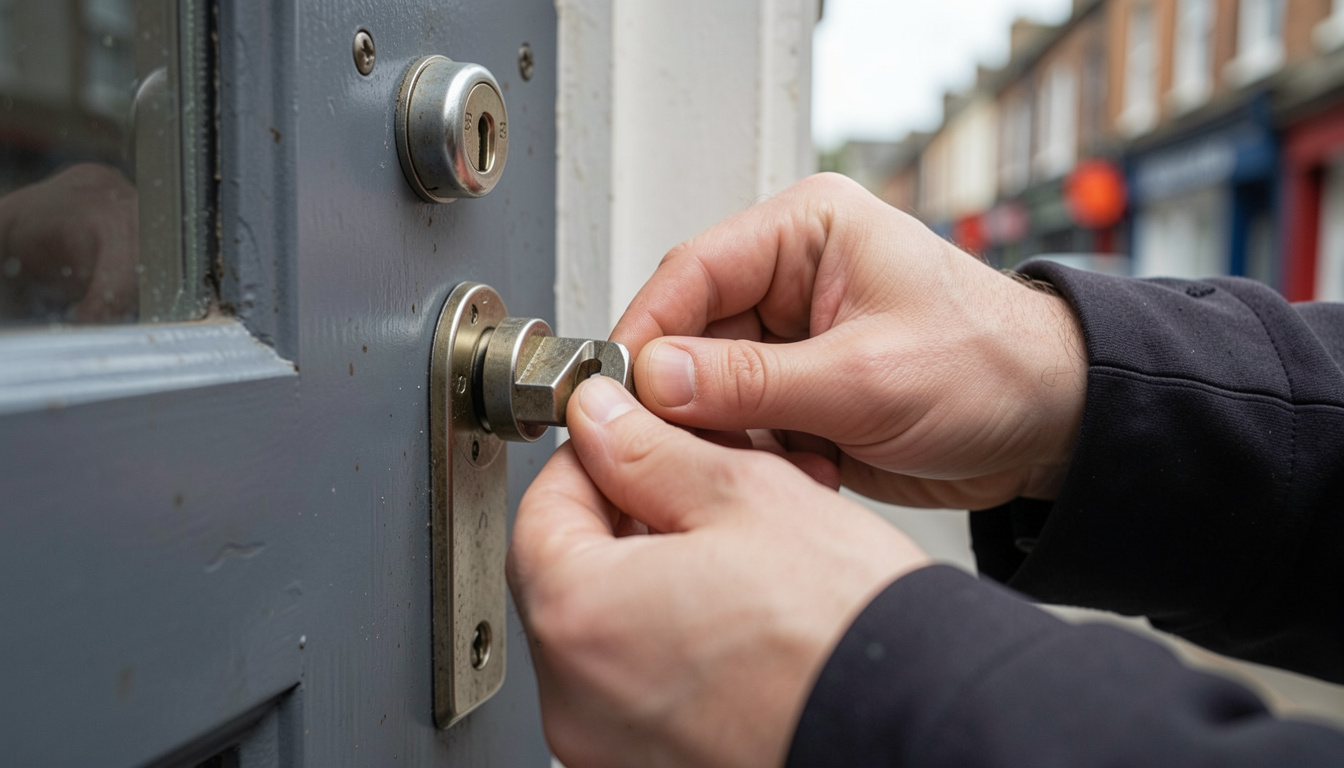
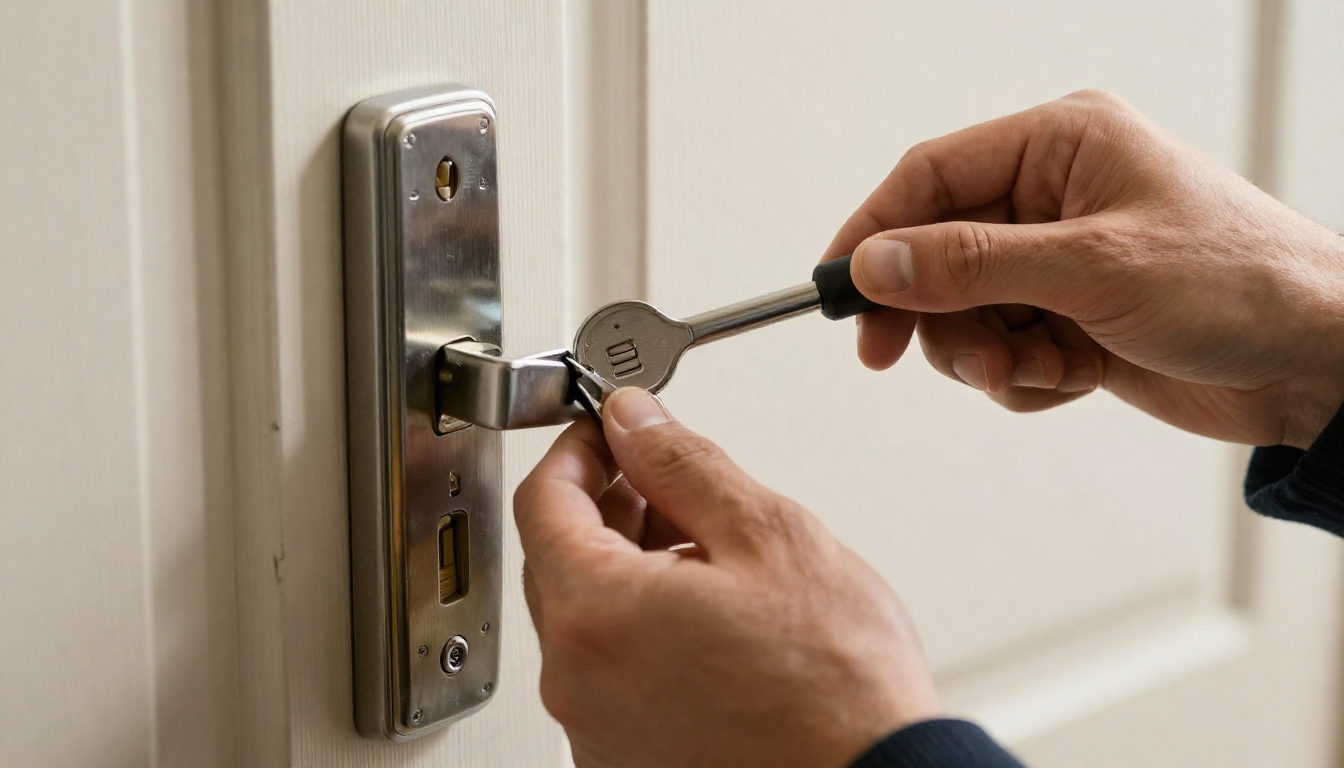
- Grip the exposed cylinder. The burglar clamps a pair of mole grips, a wrench, or a specialist snapping tool onto the section of the lock barrel that protrudes from the door.
- Apply leverage. A sharp twisting or bending force is applied to the cylinder.
- The lock snaps in half. Standard cylinders aren’t reinforced at this point, so the barrel breaks cleanly.
- The mechanism is exposed. With the lock in two pieces, the internal cam or mechanism is now accessible from outside.
- The door is opened. The intruder simply turns the exposed mechanism by hand or with pliers, disengaging the multi-point lock entirely.
The entire process is silent and fast — no drilling, no forced glass, and often no visible damage until you look closely at the cylinder itself.
How Anti-Snap Locks Stop This Technique
Anti-snap cylinders are engineered specifically to neutralise every step above:
- Sacrificial snap line: the cylinder is designed to break at a predetermined point, but the break happens on the outer section only, leaving the internal locking cam and mechanism fully protected inside the door.
- Anti-drill pins: hardened steel pins resist drill bits, preventing a secondary attack method once snapping fails.
- Anti-pick and anti-bump features: many anti-snap cylinders also include reinforced pin stacks that resist picking and bumping, covering multiple attack methods in a single upgrade.
- Reinforced core: even if the outer section is removed, there’s nothing left for a burglar to grip or turn the mechanism that actually operates the multi-point lock stays locked.
In short: the burglar can still snap the cylinder, but snapping it no longer opens the door.
Other Common Burglary Techniques Anti-Snap Locks Help Defend Against
Lock snapping isn’t the only method these upgraded cylinders guard against. A quality anti-snap lock particularly one rated TS007 3-star or holding Sold Secure Diamond certification — typically combines protection against several attack types:
- Lock picking: manipulating the internal pins with tension tools; resisted by anti-pick pin configurations.
- Lock bumping: using a specially cut bump key and light force to jolt pins into position; resisted by anti-bump pins.
- Drilling: attacking the lock face directly with a power drill; resisted by hardened steel anti-drill plates.
- Cylinder snapping: covered above, and the primary reason these locks were developed.
Because burglars typically choose whichever technique looks quickest on a given door, a lock that only defends against one method still leaves you exposed. This is why we always recommend a genuine, tested 3-star anti-snap cylinder rather than a cheaper “snap-resistant” lock that only partially addresses the issue.
The TS007 Star Rating What It Actually Means
British Standard TS007 uses a simple star rating so homeowners can judge lock security at a glance:
- 1 star: cylinder offers some resistance but should be paired with a 2-star handle.
- 2 star: cylinder alone offers strong resistance to snapping, picking, drilling, and bumping.
- 3 star (or 1-star cylinder + 2-star security handle): the highest rating, combining a reinforced cylinder with a handle designed to shield the cylinder’s exposed section.
For most Leeds homes with uPVC doors, a 3-star rated anti-snap cylinder or a 1-star cylinder fitted alongside a 2-star handle offers the strongest, most cost-effective protection currently available.
Signs Your Current Lock Might Be at Risk
- The lock is more than 5–10 years old and you’re unsure of its rating.
- The cylinder protrudes noticeably from the door handle rather than sitting flush.
- There’s no visible star rating or manufacturer marking on the cylinder face.
- You moved into the property and never had the locks changed previous occupants or their contacts may still hold keys.
- The door has never had its locks upgraded since the multi-point mechanism was installed.
If any of these apply, it’s worth having a locksmith inspect the cylinder. In many cases, swapping to an anti-snap lock takes under 30 minutes and doesn’t require replacing the whole door.
How to Choose the Best Anti Snap Locks
Not every lock marketed as snap-resistant performs the same in real-world testing. When comparing the best anti snap locks for your door, look for:
- A genuine TS007 2-star or 3-star rating, tested to British Standard, not just manufacturer marketing.
- Sold Secure Diamond certification, an independent lab-tested standard that covers snapping, picking, bumping, and drilling together.
- A reputable brand: trusted names such as Yale, ERA, Mul-T-Lock, and Ultion are widely fitted by locksmiths across Leeds and consistently perform well in independent testing.
- Correct sizing: an anti-snap lock that’s too long or too short for your door leaves a gap that can itself become a weak point, so accurate measurement matters as much as the lock’s rating.
A locksmith can measure your door and recommend the best anti snap locks for your specific setup, rather than a generic one-size-fits-all cylinder.
Anti-Snap Locks and Home Insurance
Many UK home insurance policies now expect final exit doors to be fitted with locks meeting British Standard requirements, and some insurers apply stricter conditions in areas with higher burglary rates. Upgrading to a certified anti-snap lock can help make sure your policy conditions are met, and it’s worth checking your documents or asking your insurer directly if you’re not sure what’s required.
Why Leeds Homeowners Should Take This Seriously
Leeds’ mix of Victorian terraces, modern estates, and suburban semis across areas like Headingley, Horsforth, Kirkstall, and Middleton means a huge number of properties rely on uPVC or composite doors with euro cylinder locks — exactly the lock type lock snapping targets. This is why demand for certified anti snap locks Leeds-wide has grown steadily, and why more homeowners are asking specifically for this upgrade rather than a generic lock change. A five-minute conversation with a local locksmith about your current cylinder can be the difference between a break-in attempt that fails in seconds and one that succeeds in under a minute.
Frequently Asked Questions
How long does it take a burglar to snap a standard lock?
With the right tools, a standard (non-anti-snap) euro cylinder can be snapped in under a minute, often without any noise loud enough to alert neighbours.
Can any locksmith fit an anti-snap lock, or do I need a new door?
No new door is needed in almost all cases. A qualified locksmith can usually replace a standard euro cylinder with an anti-snap version in under 30 minutes, using your existing door and multi-point mechanism.
Are anti-snap locks expensive?
Anti-snap cylinders are one of the most affordable home security upgrades available, especially compared to the cost of repairing burglary damage or replacing a full door.
Do anti-snap locks stop all burglary methods?
A certified 3-star anti-snap lock defends against snapping, picking, bumping, and drilling the four most common attack methods on euro cylinder locks. No lock can guarantee 100% protection, but this significantly raises the difficulty and time required for forced entry.
How do I know if my current lock is already anti-snap rated?
Check the face of the cylinder for a star rating marking (1, 2, or 3 stars) or a manufacturer’s security certification. If there’s no visible marking, it’s worth having it checked by a locksmith, as older or unbranded cylinders are unlikely to offer snap resistance.
Is it worth upgrading locks if I’ve never been burgled?
Yes. Lock snapping is opportunistic burglars often select targets based on the visible lock type rather than the specific household. An unprotected cylinder is a risk regardless of past history.
Get Your Locks Checked by a Local Leeds Locksmith
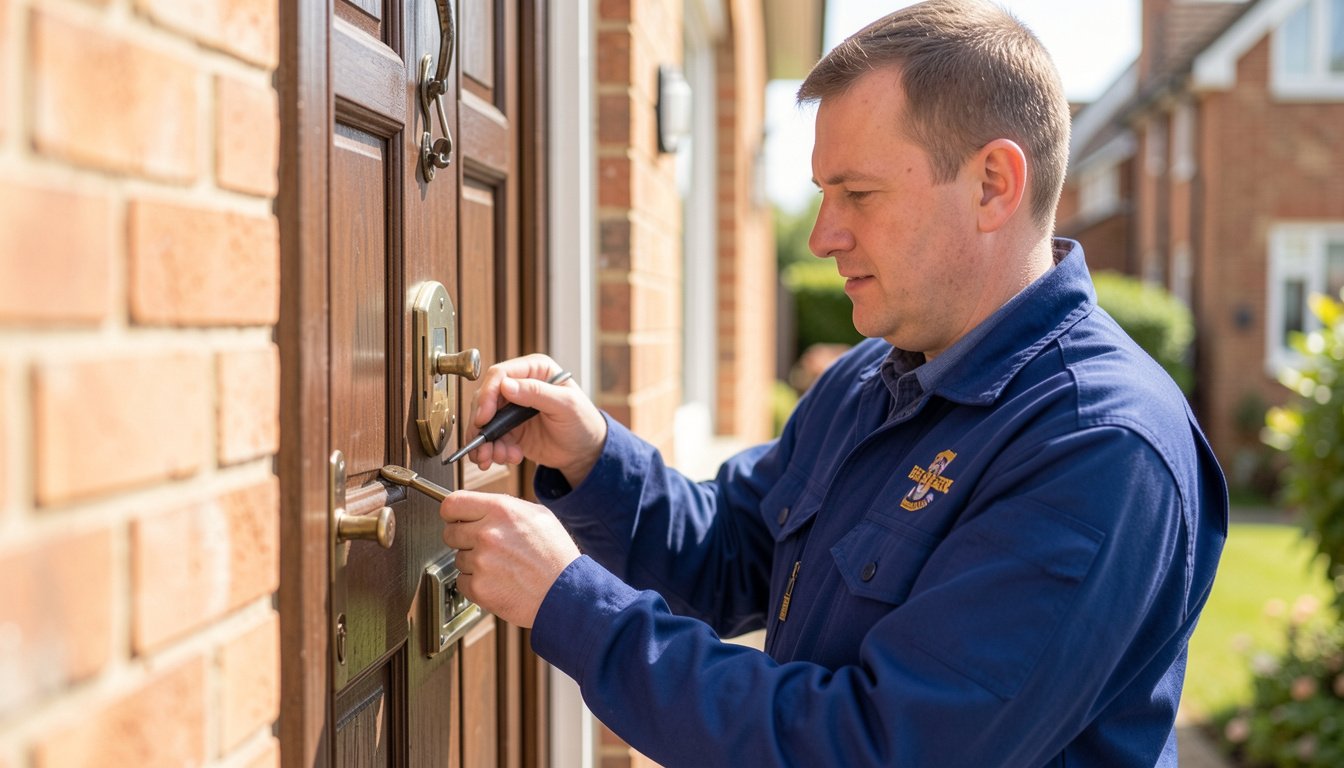
If you’re not sure whether your current cylinder offers real snap resistance, it’s worth getting it checked rather than guessing. Easy Pickings Locksmiths supplies and fits certified anti-snap euro cylinders across Leeds and the surrounding areas, including Armley, Pudsey, Bramley, Farsley, Headingley, and Horsforth, with most upgrades completed on the same visit.
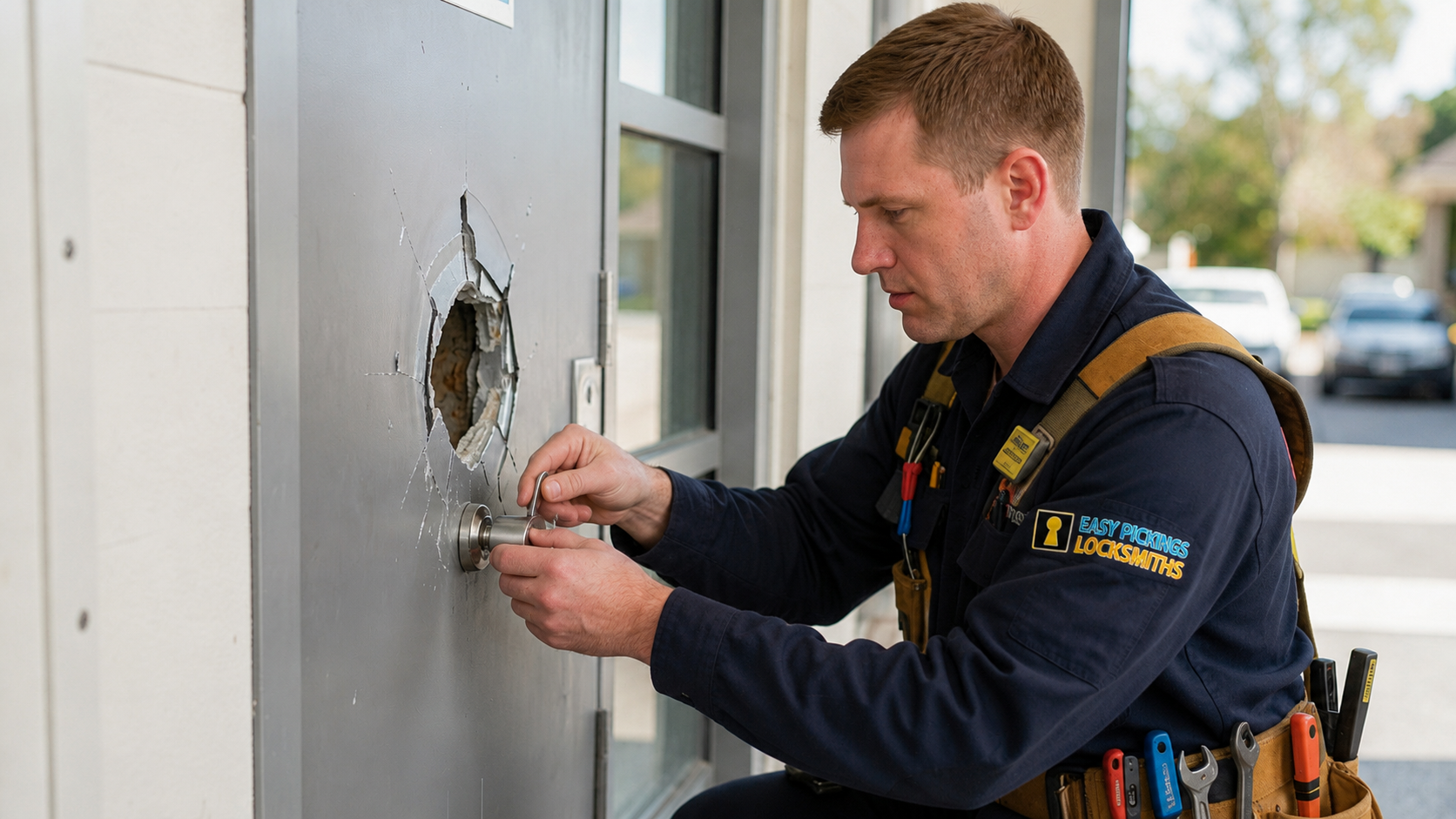
As a trusted locksmith Leeds homeowners have relied on for over 17 years, we also provide emergency locksmiths Leeds cover around the clock — with no call-out fee, transparent pricing, and non-destructive entry used wherever possible. Whether you need a lock checked, upgraded, or replaced after a break-in, our team is available 24/7 to help.
📞 Call now: 0745 608 0054 or 0113 805 0761 🔗 Learn more about our Anti-Snap Locks service in Leeds 🔗 Need help right now? Visit our Emergency Locksmith Leeds page.