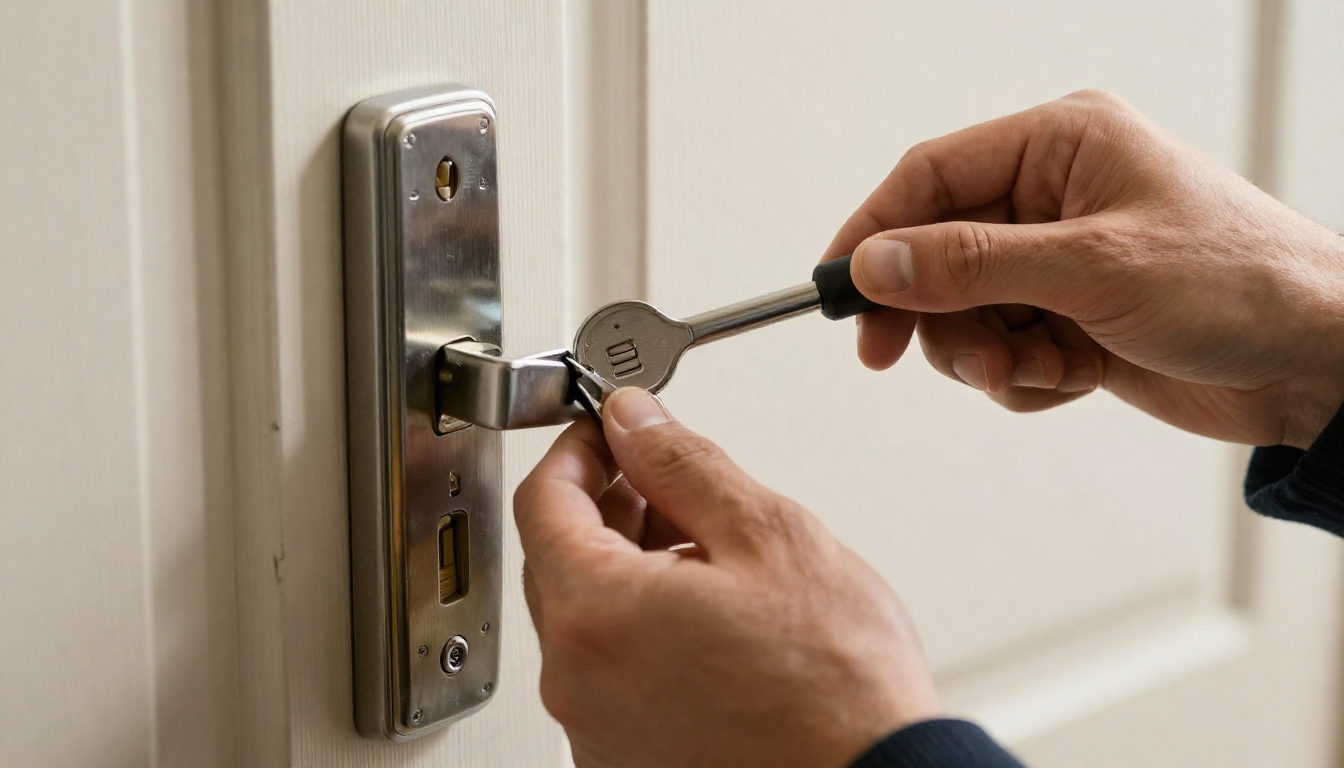
Pudsey has no shortage of character when it comes to housing stock. Victorian and Edwardian terraces, stone-built cottages, and older semis make up a good portion of the town, many of them well over a century old. That character is part of the appeal, but it comes with a catch: the locks fitted to these properties are often just as old as the doors themselves, and decades of use, weather, and settling brickwork take their toll in ways homeowners don’t always notice until something stops working.
If you live in one of Pudsey’s older homes, there’s a good chance you’ve already run into at least one of the issues below, or you will eventually. Here’s a practical look at the most common lock problems found in period properties across the area, why they happen, and what actually fixes them.
Why Older Properties Develop Lock Problems
Newer homes are generally built with standardized UPVC or composite doors and modern multi-point locking systems, which tend to age fairly predictably. Older properties are a different story entirely. Original timber doors expand and contract with the seasons, brickwork settles over decades, and the ironmongery fitted when the house was built was never designed with today’s security standards in mind.
On top of that, many older homes in Pudsey have been through multiple owners and tenants over the years, each potentially holding a set of keys that was never accounted for or changed. Combine ageing mechanical parts with an unknown number of keys in circulation, and it’s easy to see why lock issues crop up more often in period properties than in newer builds.
Worn or Outdated Mortice Locks
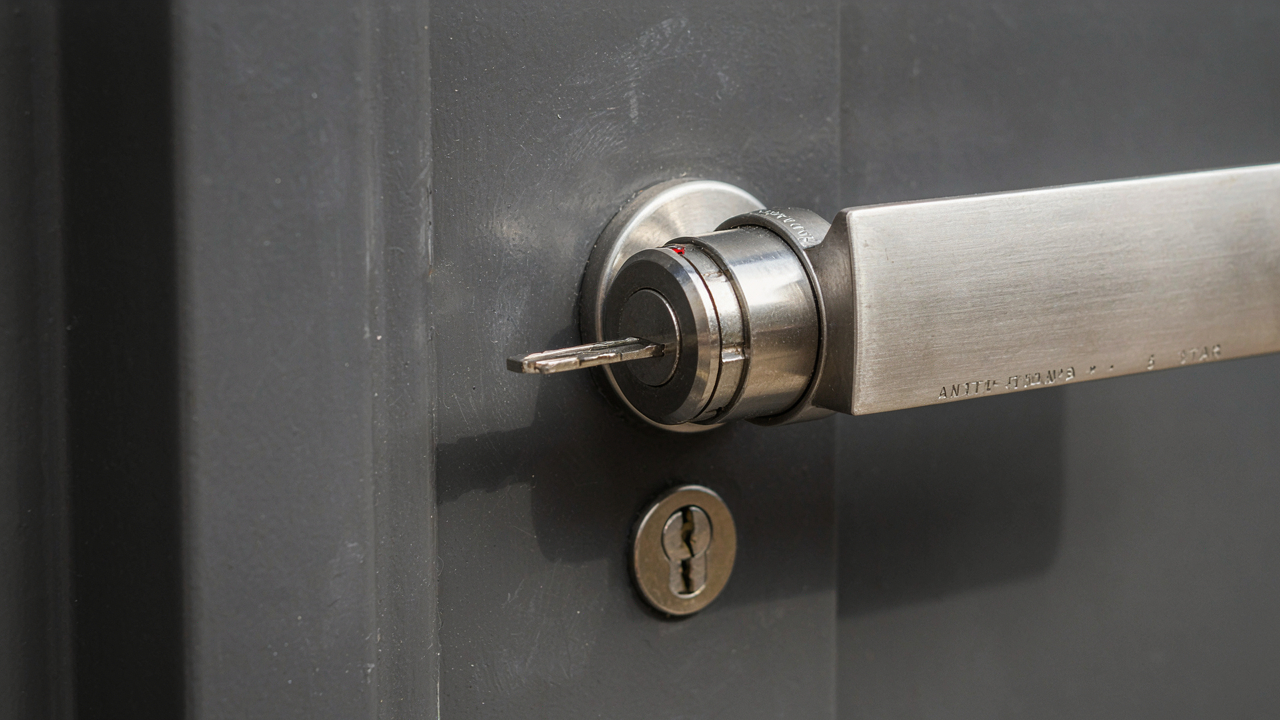
One of the most frequent issues in older Pudsey homes is a mortice lock that’s simply reached the end of its useful life. Many original front and back doors were fitted with basic three-lever mortice locks, which were perfectly normal decades ago but don’t meet the BS3621 British Standard most insurers now expect.
Beyond the security gap, these older mechanisms wear internally over time. Springs weaken, levers wear down, and the lock starts to feel stiff or requires extra jiggling of the key to turn properly. Left unaddressed, a worn mortice lock eventually fails completely, often without much warning.
Doors That Have Shifted Out of Alignment
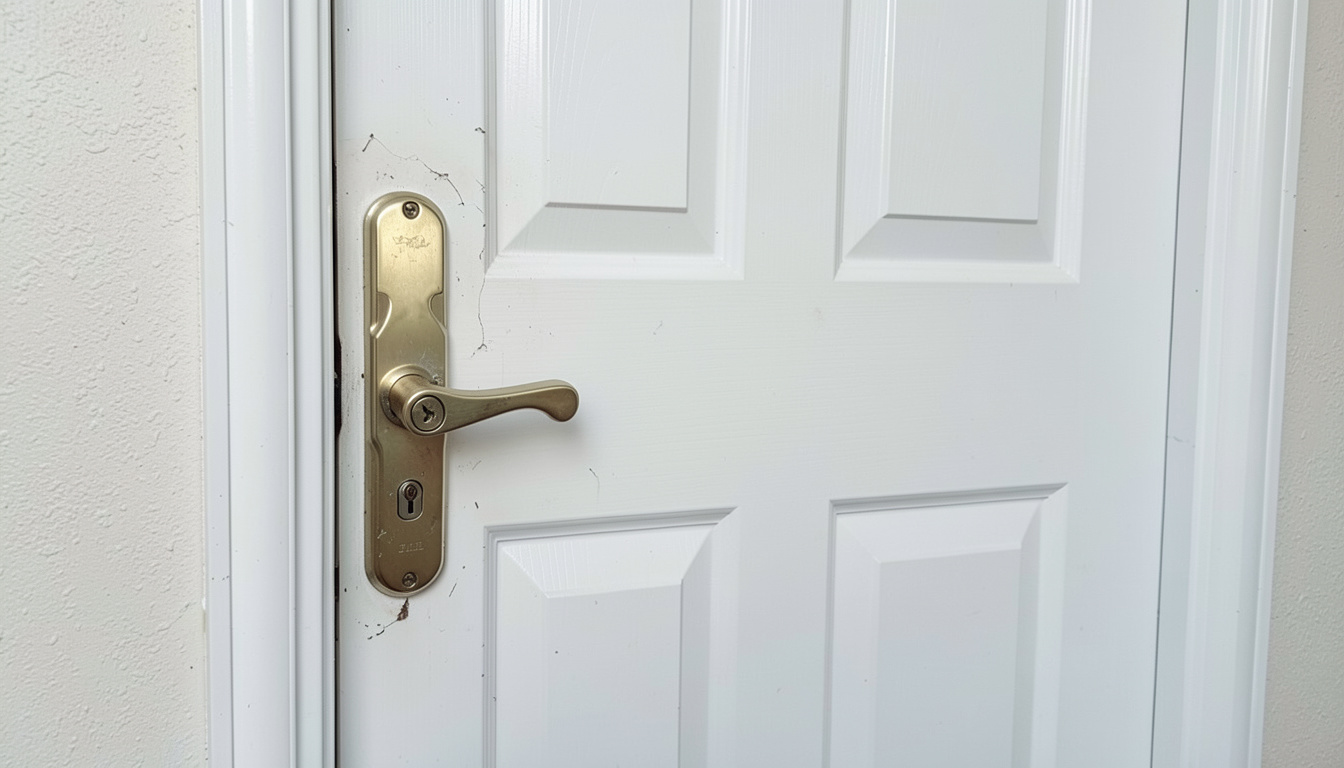
Timber doors in older properties move. Damp winters, dry summers, and decades of general settling can shift a door slightly within its frame, even if the change is barely visible to the eye. The result is a lock that lines up imperfectly with its keep, forcing you to lift, push, or wiggle the door just to get the key to turn or the latch to engage properly.
This is one of the most misunderstood lock problems, because the issue often isn’t the lock itself but the door and frame around it. A locksmith experienced with period properties will usually check the alignment before assuming the lock mechanism needs replacing, since sometimes a simple adjustment to the keep or hinges solves the problem entirely.
Original Rim Latches and Night Latches
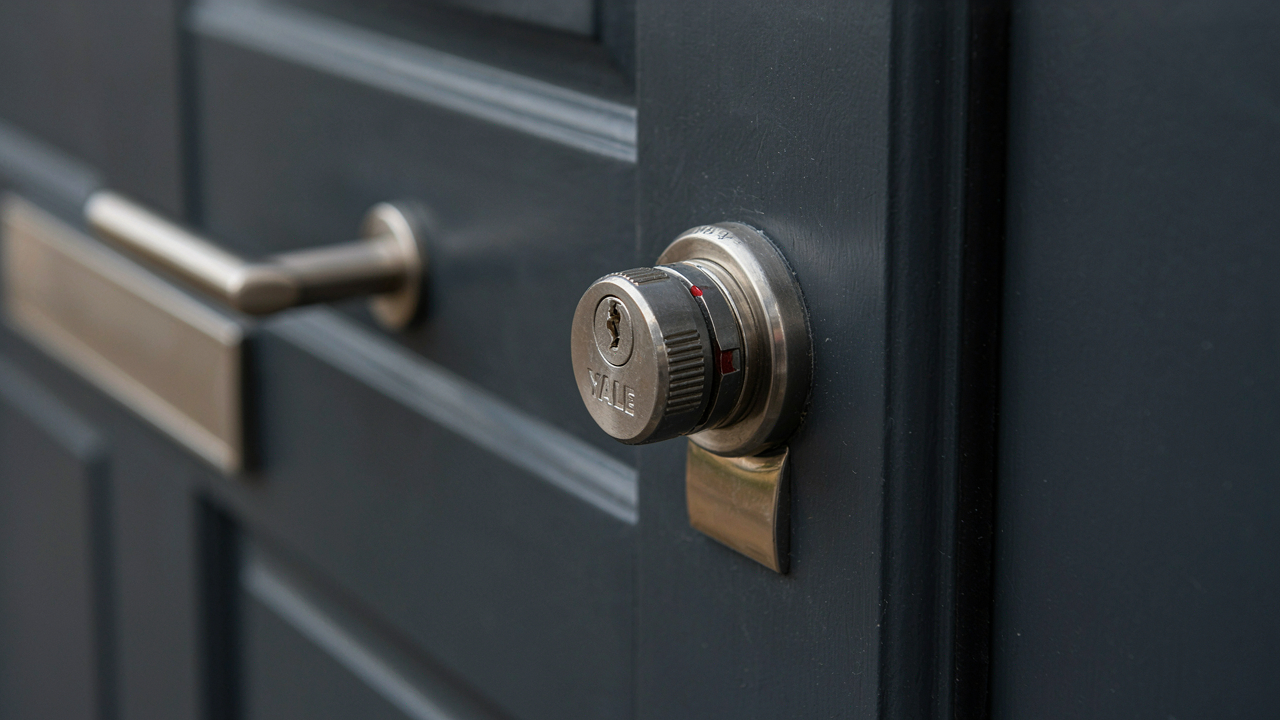
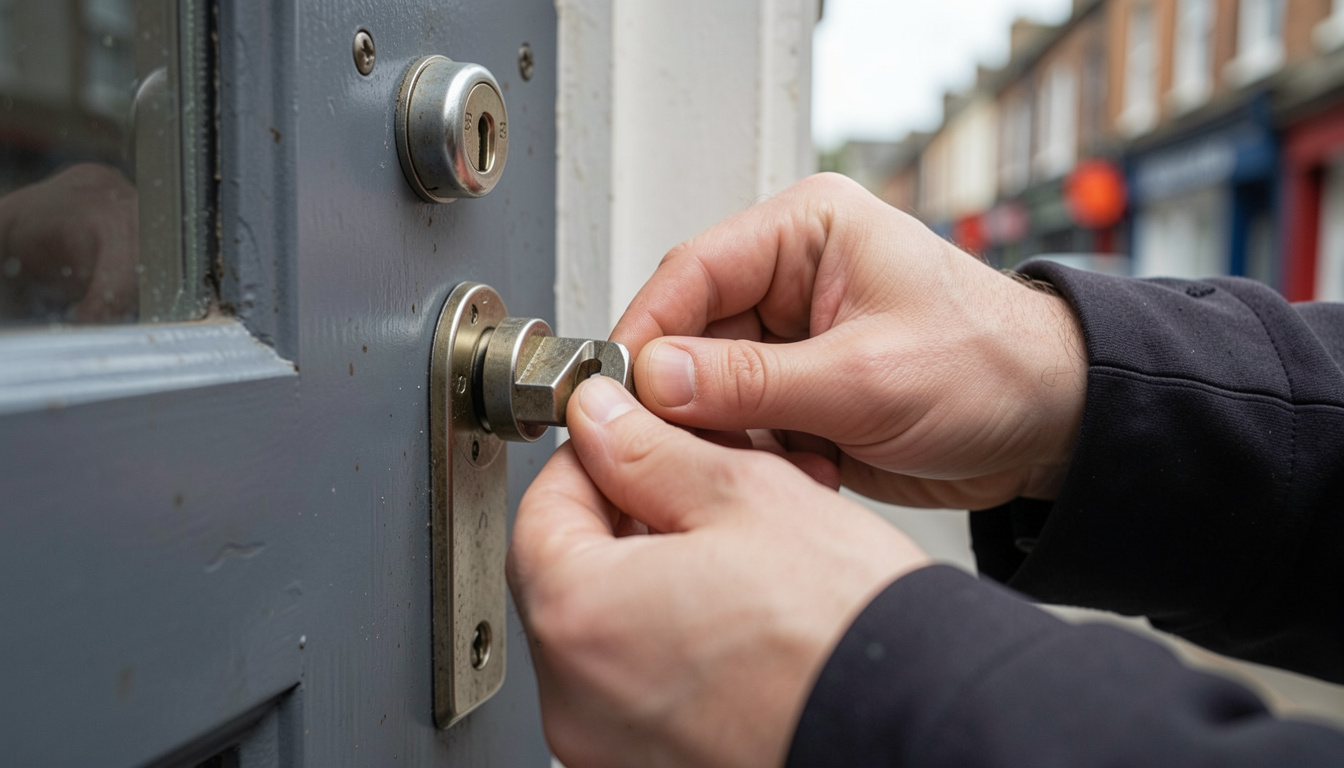
Many older Pudsey homes still have the classic Yale-style rim latch fitted to the front door, sometimes alongside a mortice lock as a secondary point of security. These latches were common throughout the twentieth century, and while convenient, older versions are relatively easy to defeat using simple bypass techniques, including the well-known letterbox or “loiding” method.
Worn rim latches also develop a particular problem where the latch no longer springs back fully, leaving the door technically unlocked even when it appears closed. This is a subtle but serious vulnerability, especially on a front door used multiple times a day.
Snapped, Worn, or Mismatched Keys
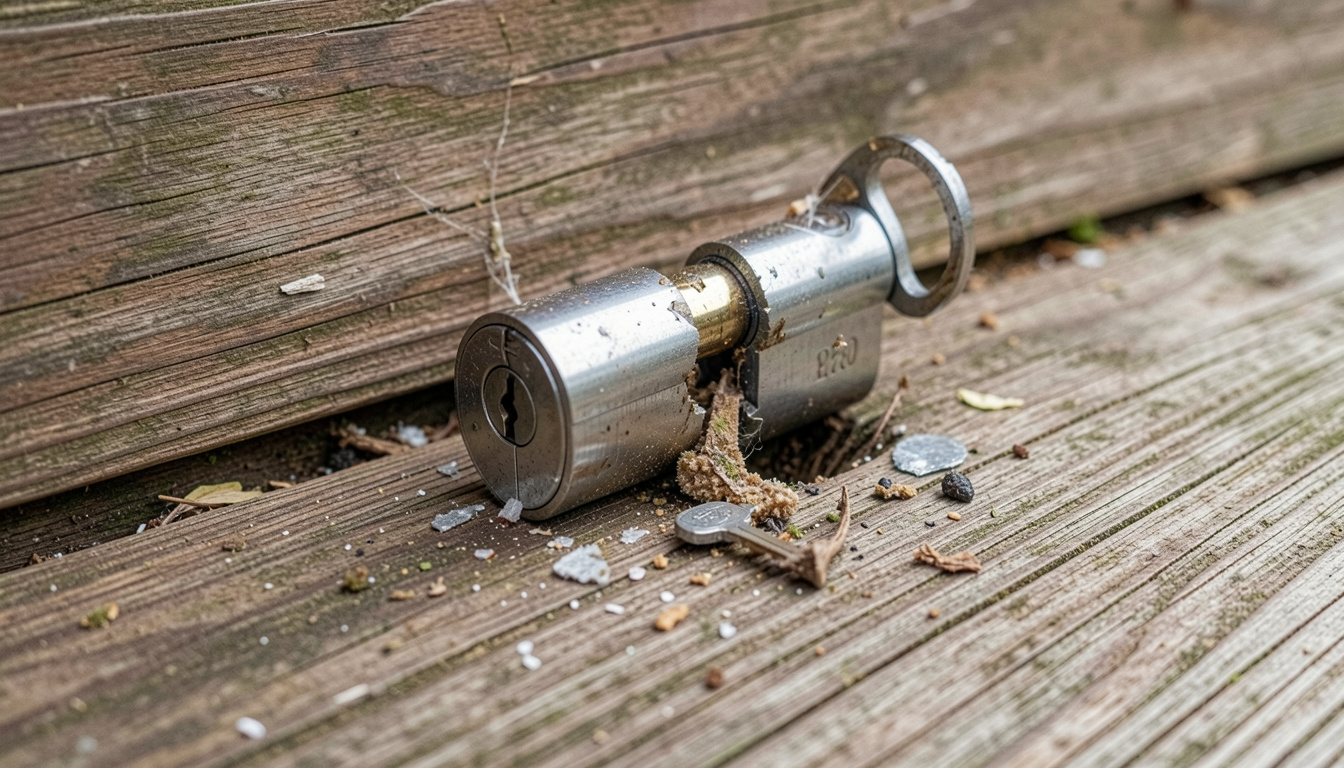
Old locks and old keys often share the same fate: gradual wear that eventually leads to failure. A key that’s been used for years can develop tiny stress points, particularly around the shoulder, making it more likely to snap inside the lock at the worst possible moment. Worn internal pins or levers can also mean a key turns roughly or needs extra force, accelerating wear on both the key and the lock itself.
It’s also common in older properties for there to be several keys cut at different points over the years, sometimes from different blanks, leading to keys that technically work but never feel quite right in the lock. This kind of mismatch puts unnecessary strain on the mechanism over time.
Rust, Damp, and Exterior Hardware
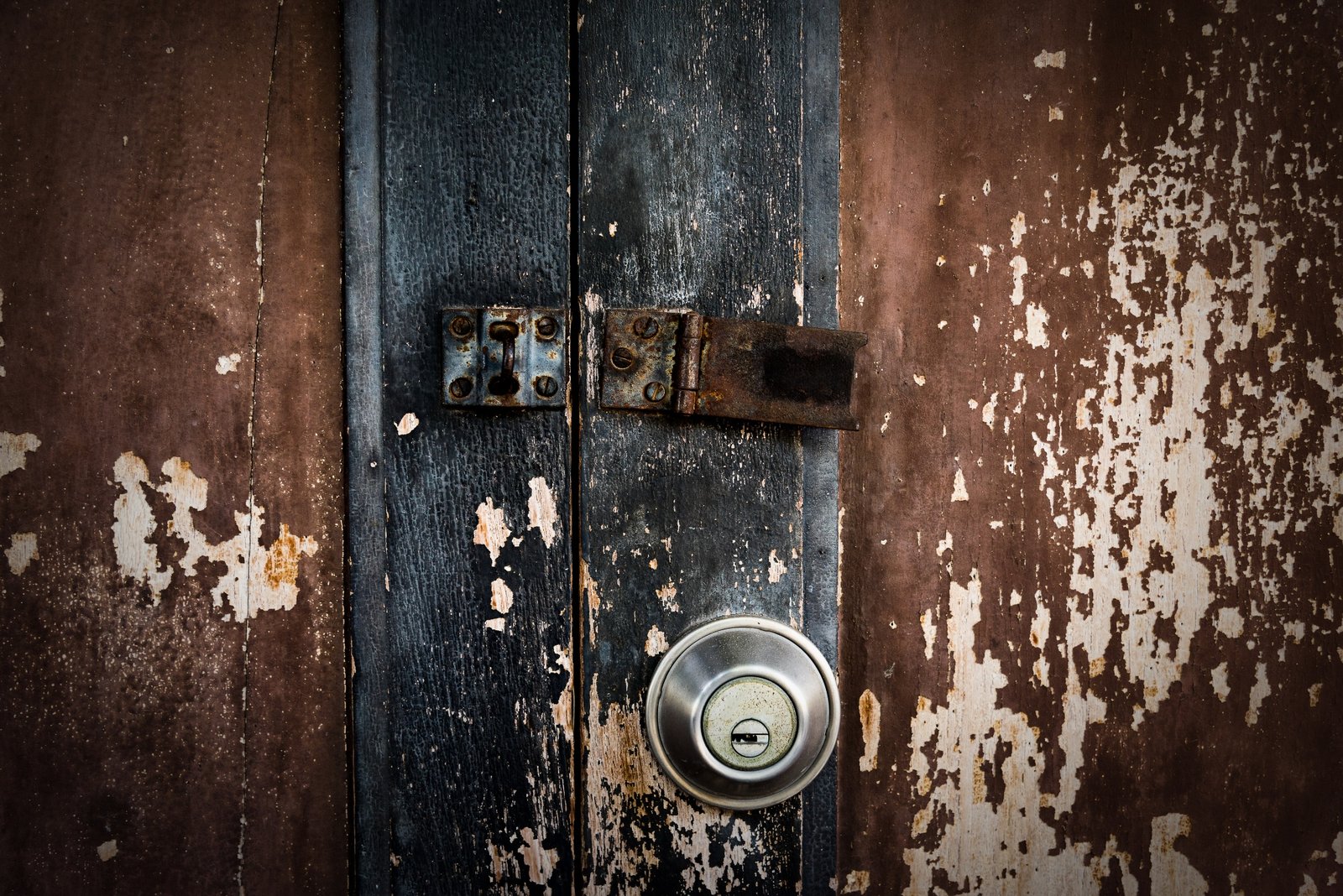
Pudsey’s weather, like most of West Yorkshire, brings its fair share of damp and cold. Side gates, coal cellar doors, sheds, and other exterior fixtures common in older terraced properties are particularly exposed, and padlocks or basic latches fitted to these areas often suffer from rust and stiffness long before anyone notices a problem with the main house locks. A seized padlock on a side gate might seem minor, but it often means easier access to a back door or window that’s far less secure than the front of the property.
Listed Buildings and Conservation Considerations
Some properties in and around Pudsey fall within conservation areas or carry listed status, which can limit what changes are permitted to external doors, windows, and visible ironmongery. This doesn’t mean security upgrades are off the table, but it does mean a locksmith needs to understand how to improve security while respecting the original appearance of the property, often using period-style hardware that meets modern standards without looking out of place.
What Actually Fixes These Problems
The good news is that most of these issues have straightforward solutions. Upgrading a three-lever mortice lock to a five-lever BS3621 version is usually possible without altering the door itself, since many replacement locks are designed to fit the same mortice cut-out as older models. Door and frame alignment issues are often fixed by adjusting hinges or the keep rather than replacing the entire lock, saving both money and unnecessary disruption to the door.
Worn rim latches can be replaced with modern, more secure equivalents that still suit a period front door aesthetic. A full re-key, where every existing key is rendered useless and a fresh set is issued, is a sensible step for any older property where the history of who holds a key is unclear. Regular light lubrication, rather than household oil or spray, also goes a long way towards preventing stiffness and premature wear in older mechanisms.
Signs You Should Call a Locksmith
A few warning signs are worth acting on before they turn into a full lockout. A key that’s become noticeably harder to turn, a door that needs lifting or pushing to lock properly, a latch that doesn’t spring back fully, or visible rust around an exterior lock are all signals that something needs attention. Catching these early is far less stressful than dealing with a complete failure on a cold evening.
When you do need help, it’s worth choosing a locksmith Pudsey homeowners trust for period properties specifically, since older mechanisms and original hardware need a slightly different approach compared to standard modern locks. A good locksmith will check ID before starting work, give a clear quote upfront, and explain whether a repair or full replacement makes more sense for your particular door.
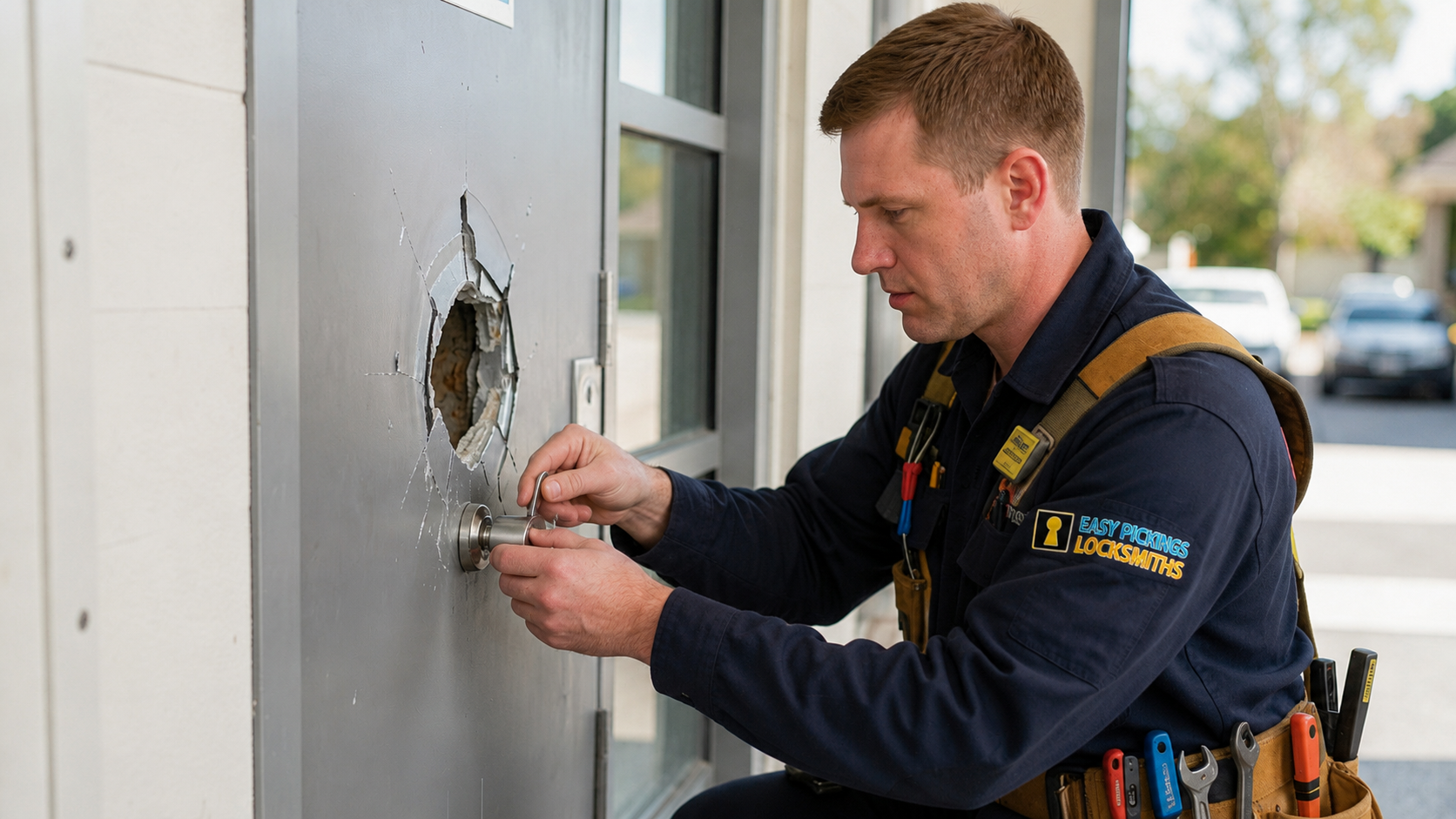
Easy Pickings Locksmiths regularly works on the kind of older terraces, semis, and period homes found throughout Pudsey, repairing and upgrading original locks while keeping the door’s character intact wherever possible.
When You Need Help Outside Normal Hours
Older locks have an unfortunate habit of failing at inconvenient moments, often when years of gradual wear finally catch up at once. This is exactly the kind of situation where genuine 24/7 locksmith Pudsey cover makes a real difference, giving you access to help whether a key snaps at midnight or a worn latch finally gives way on a Sunday morning. If you ever need emergency locksmiths Pudsey residents can call without delay, it’s worth having a trusted local number saved before you actually need it.
Frequently Asked Questions
Why does my old front door lock feel stiff even though I oil it regularly?
Stiffness often comes from worn internal components rather than a lack of lubrication, or from the door itself shifting slightly out of alignment with its frame over time.
Do I need to replace my entire door to upgrade an old mortice lock?
Usually not. Many modern BS3621 mortice locks are designed to fit the same cut-out as older three-lever versions, allowing an upgrade without replacing the door itself.
Is it normal for keys to snap in older locks? It’s more common than in newer mechanisms, since both the key and the internal lock components wear down gradually over years of use, increasing the risk of a snap.
Can I improve security on a listed or conservation-area property?
Yes. A locksmith experienced with period properties can often fit modern, more secure hardware that still matches the appearance expected on listed or conservation-area buildings.
Should I re-key my locks if I’ve just bought an older home in Pudsey?
It’s a sensible precaution. Older properties often have an unknown number of keys in circulation from previous owners, tenants, or tradespeople over the years.
What should I do if my side gate or shed padlock has rusted solid?
A locksmith can usually free or remove a rusted padlock without damaging the gate or shed, and can recommend a more weather-resistant replacement for exposed exterior fittings.
Final Thoughts
Older Pudsey properties bring genuine character, but their original locks and hardware were never built for today’s security expectations or for decades of continuous use. Most of the problems outlined here develop gradually, which means there’s usually a window to address them before they turn into a full lockout or a security gap. A locksmith familiar with period homes, paired with reliable emergency cover for when something does go wrong unexpectedly, is the most practical way to keep an older property both secure and true to its original character.