
Getting locked out of your home, office, or car is one of those moments that can turn a normal day upside down in seconds. Naturally, the first question most people ask is: can a locksmith open any lock? It’s a fair question, especially when you’re standing outside your own front door wondering how a complete stranger is supposed to get you back inside without damaging anything.
The short answer is that a skilled locksmith can open the vast majority of locks you’ll find on doors, cars, and safes, but “any lock” is a bit of an exaggeration. The real answer depends on the type of lock, its condition, its age, and sometimes even the law. Let’s break this down properly so you understand exactly what’s possible, how it’s done, and what to expect if you ever need a reliable locksmith Leeds resident can trust.
How Do Locksmiths Actually Open Locks?
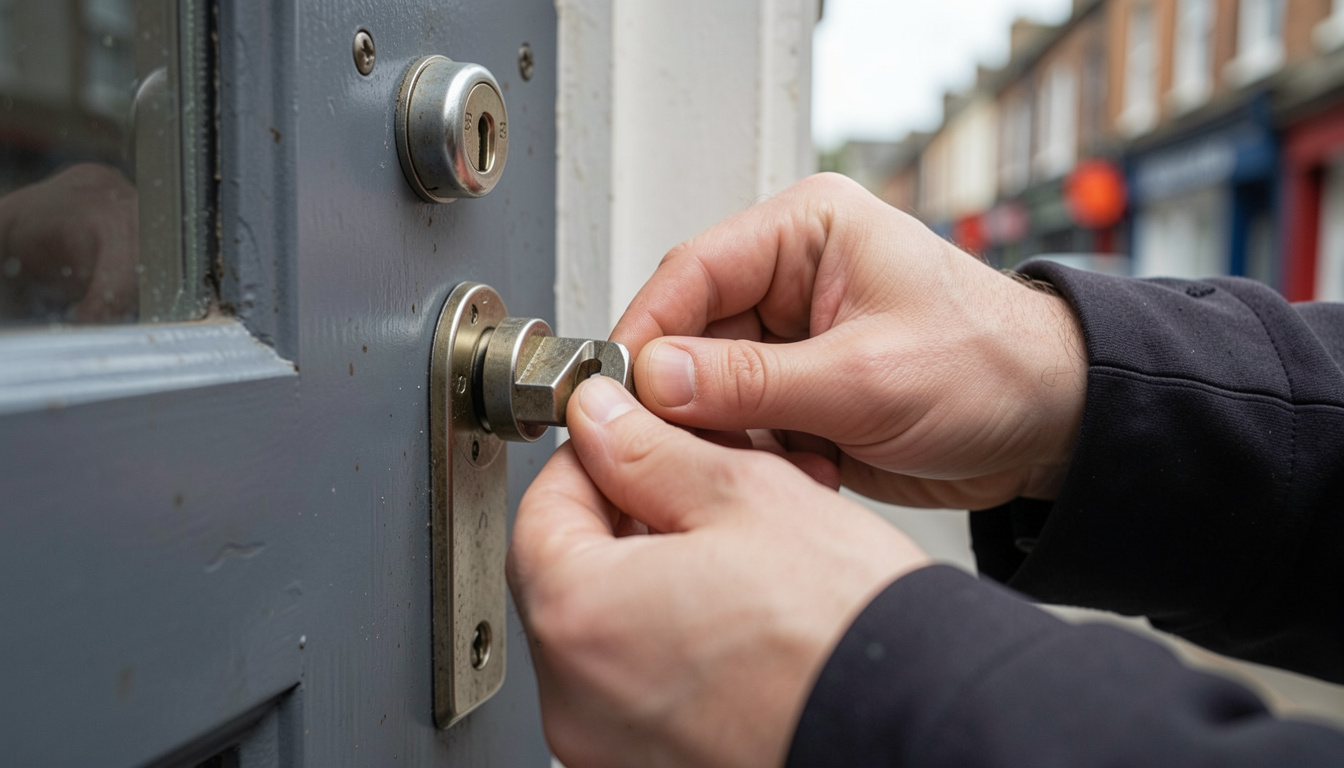
Despite what films and TV shows suggest, locksmiths rarely whip out a tension wrench and a pick and pop a lock open in three seconds flat. Real-world lock opening is a mix of skill, patience, and the right tool for the job. Locksmiths typically rely on a handful of proven techniques.
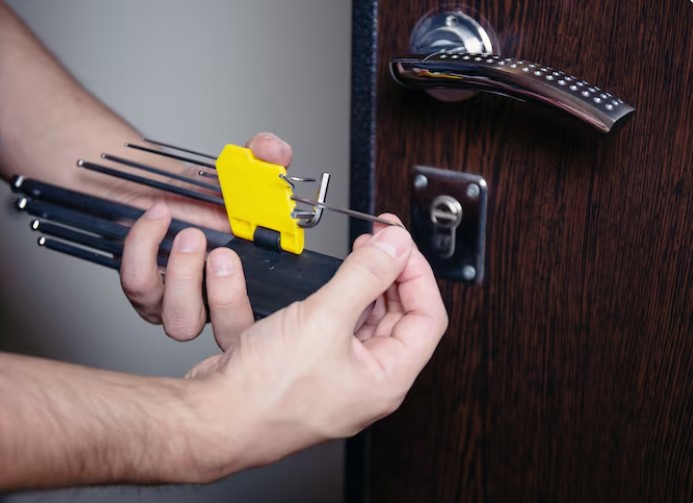
Lock picking is the most well-known method, used mainly on pin tumbler locks. A trained locksmith manipulates the internal pins using specialist tools until the cylinder turns, all without damaging the lock or the door.
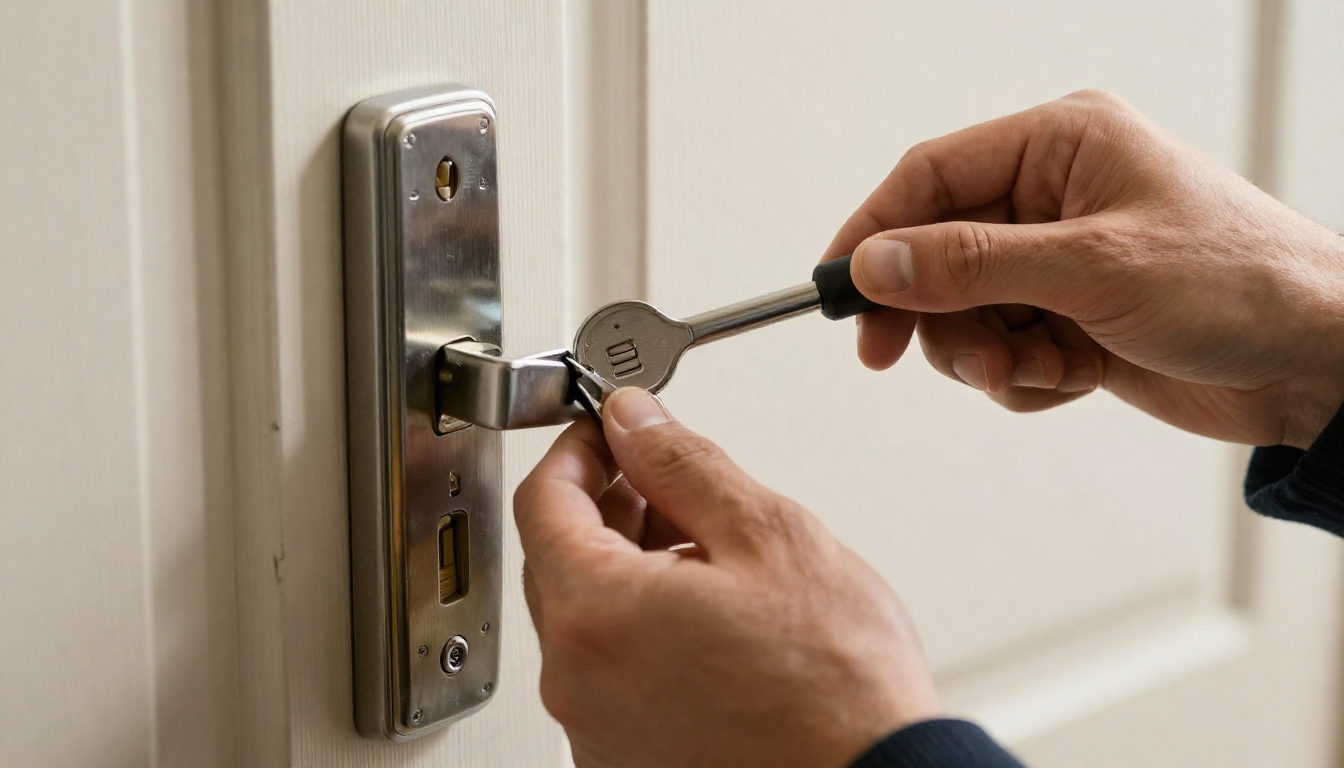
Bypass techniques involve manipulating the lock mechanism from outside, sometimes through a letterbox or gap, without touching the pins at all. This works well on certain UPVC door locks and older mechanisms.
Decoding is used on locks where the key cuts can be read or measured, allowing a locksmith to create a working key on the spot rather than picking the lock by feel.
Imprisoning involves inserting a blank key into the lock and gently working it until it picks up marks from the internal pins, which are then filed down to create a key that fits.
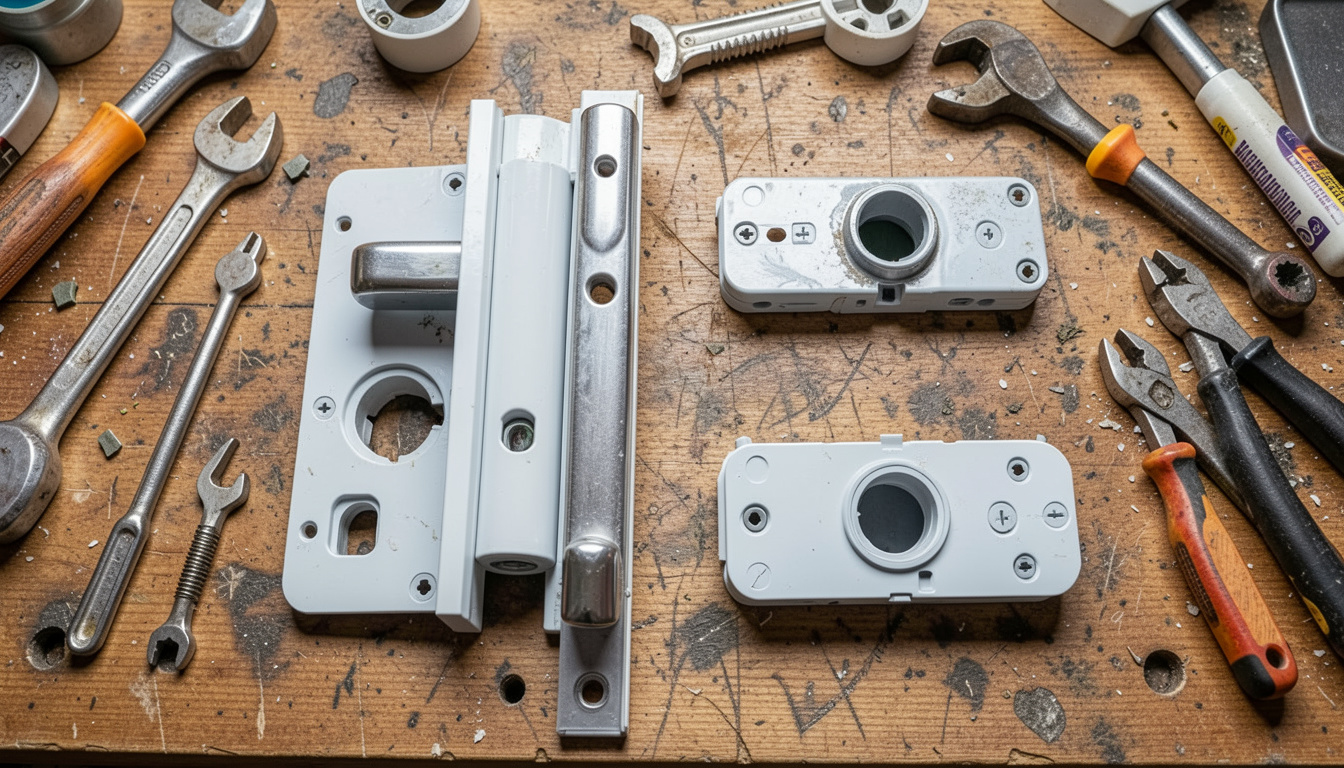
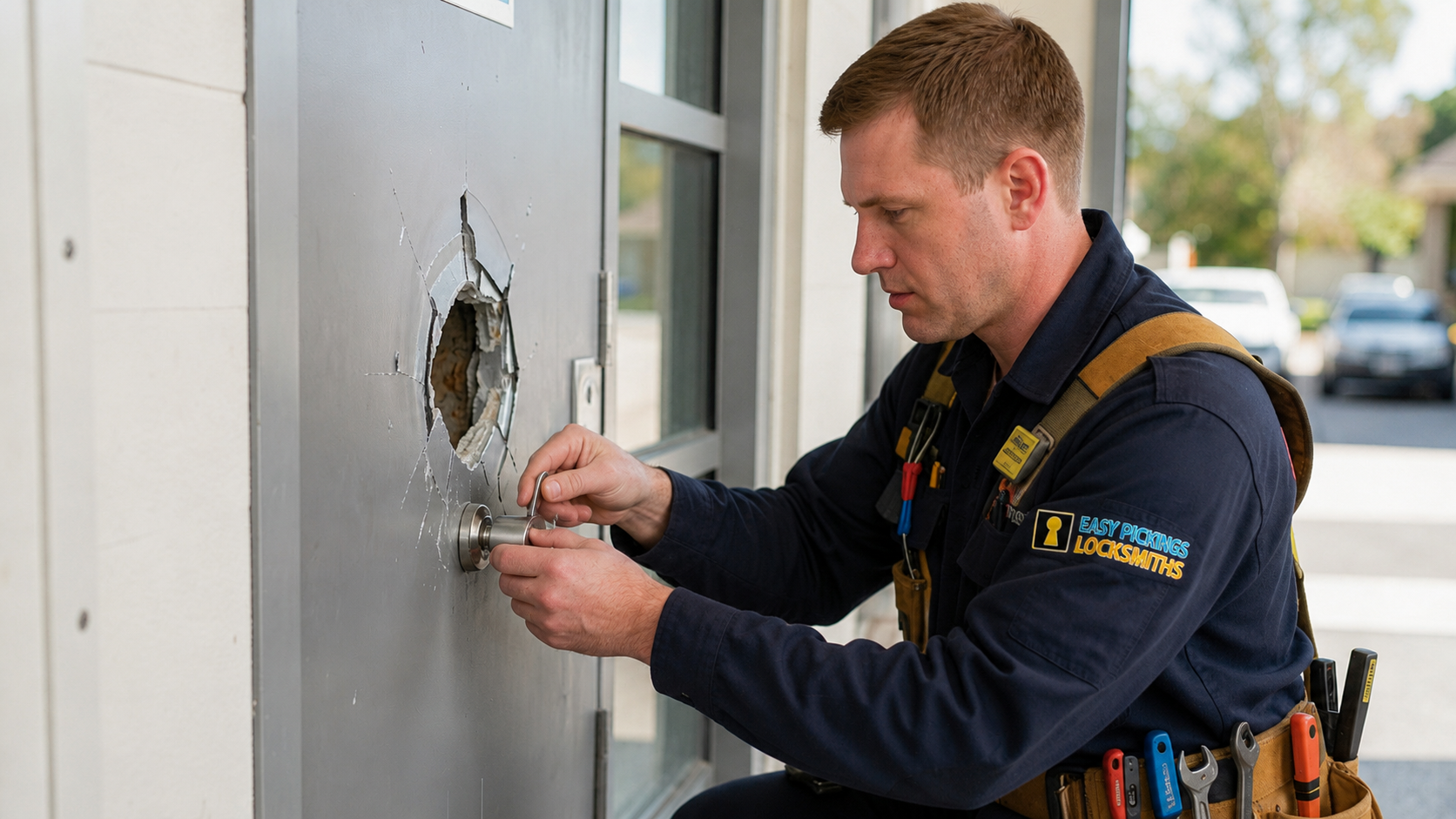
Drilling is more of a last resort, used when a lock is damaged, jammed, or too high-security to pick. It’s quick, but it usually means the lock needs replacing afterwards.
A genuine emergency locksmith carries several of these methods in their toolkit and chooses whichever is fastest and least damaging for the situation in front of them.
Not All Locks Are Created Equal
This is where the “any lock” myth starts to fall apart. Locks vary enormously in design, and that affects how easily they can be opened.
Standard pin tumbler locks, the kind found on most older front doors and internal doors, are generally straightforward for an experienced locksmith to pick. Basic padlocks and cheap cabinet locks fall into a similar category.
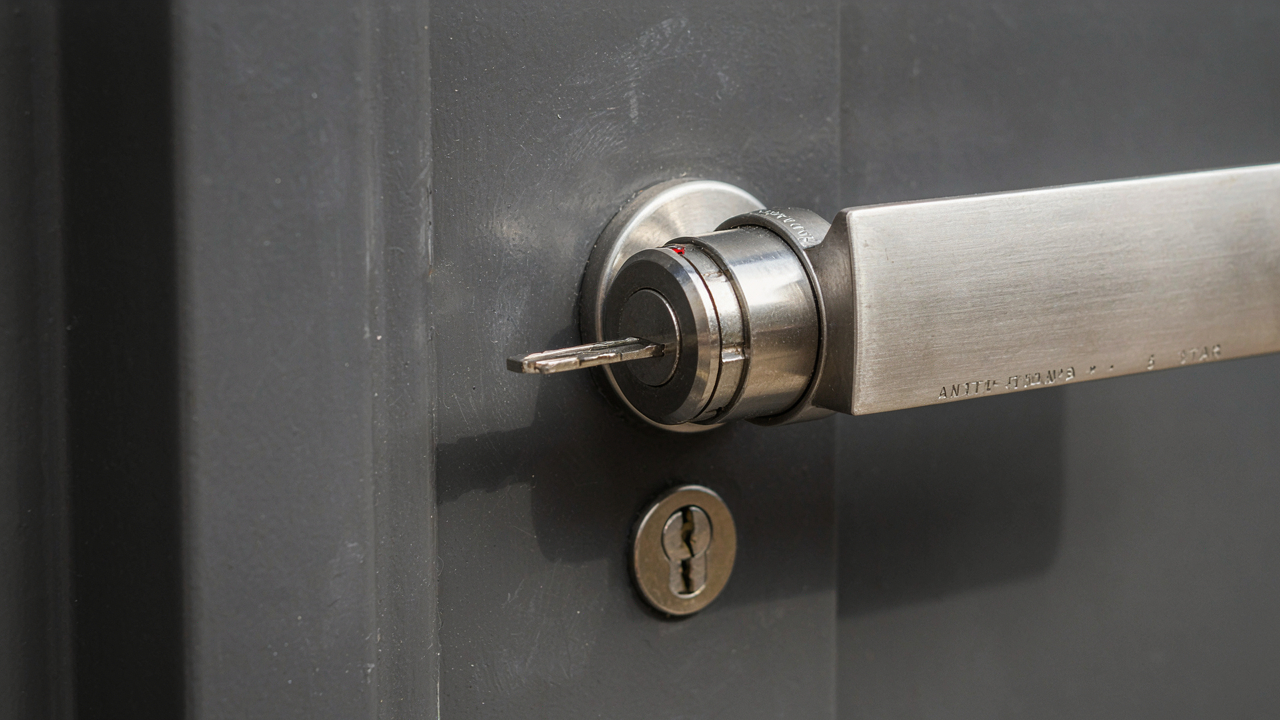
Euro cylinder locks, common on UPVC and composite doors across the UK, used to have a well-known weakness to a technique called lock snapping. Modern anti-snap cylinders have closed that gap significantly, making them far tougher to defeat quickly, which is actually good news for your home security.
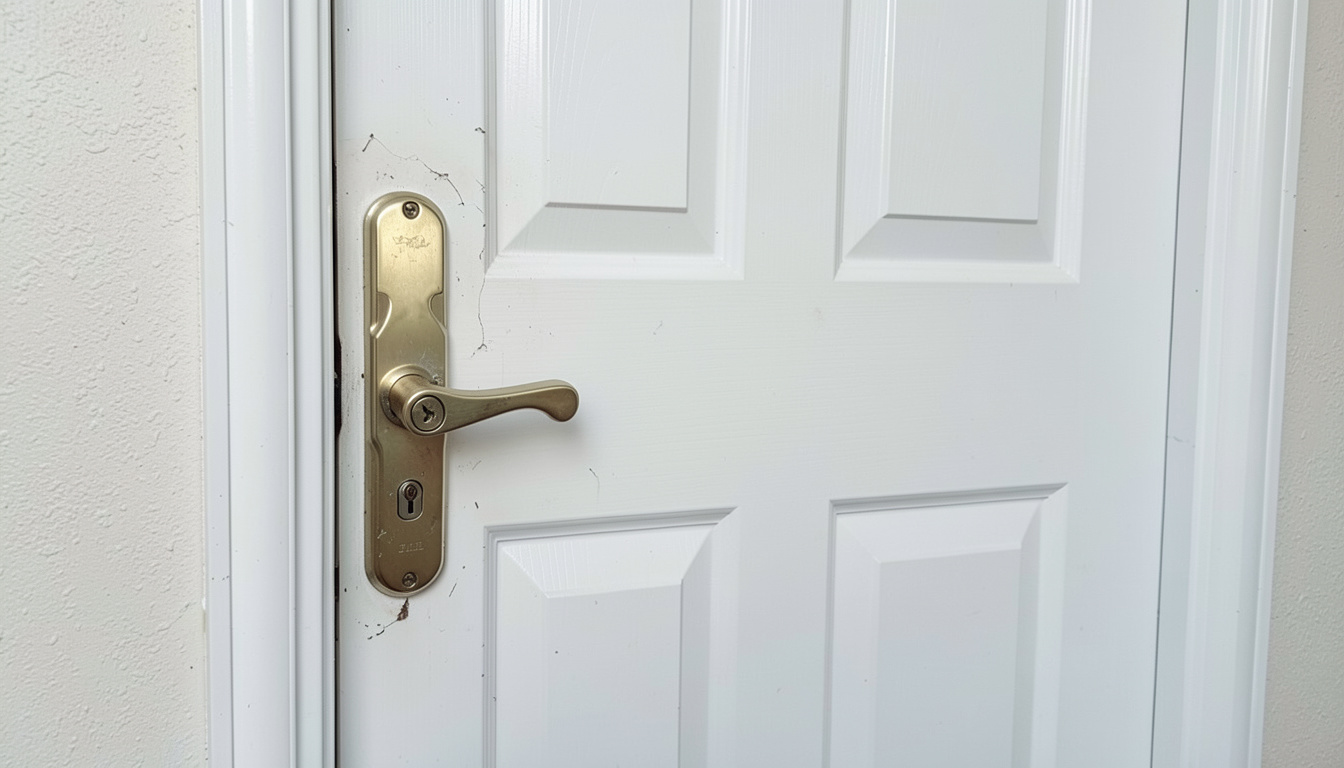
Mortice locks, particularly five-lever ones that meet British Standard BS3621, are designed specifically to resist picking and manipulation, and they take considerably more time and expertise to open.
High-security and electronic locks, including some smart locks, biometric locks, and certain safe mechanisms, may include features that make picking practically impossible without specialist manufacturer knowledge or, in some cases, the cooperation of the lock manufacturer itself.
So while a locksmith Leeds homeowners call out can open the overwhelming majority of residential and commercial locks they encounter, a handful of premium security locks are deliberately built to slow down or completely block traditional opening methods. That’s by design, not a flaw.
When a Locksmith Can’t (or Won’t) Open a Lock
There are a few honest exceptions worth knowing about.
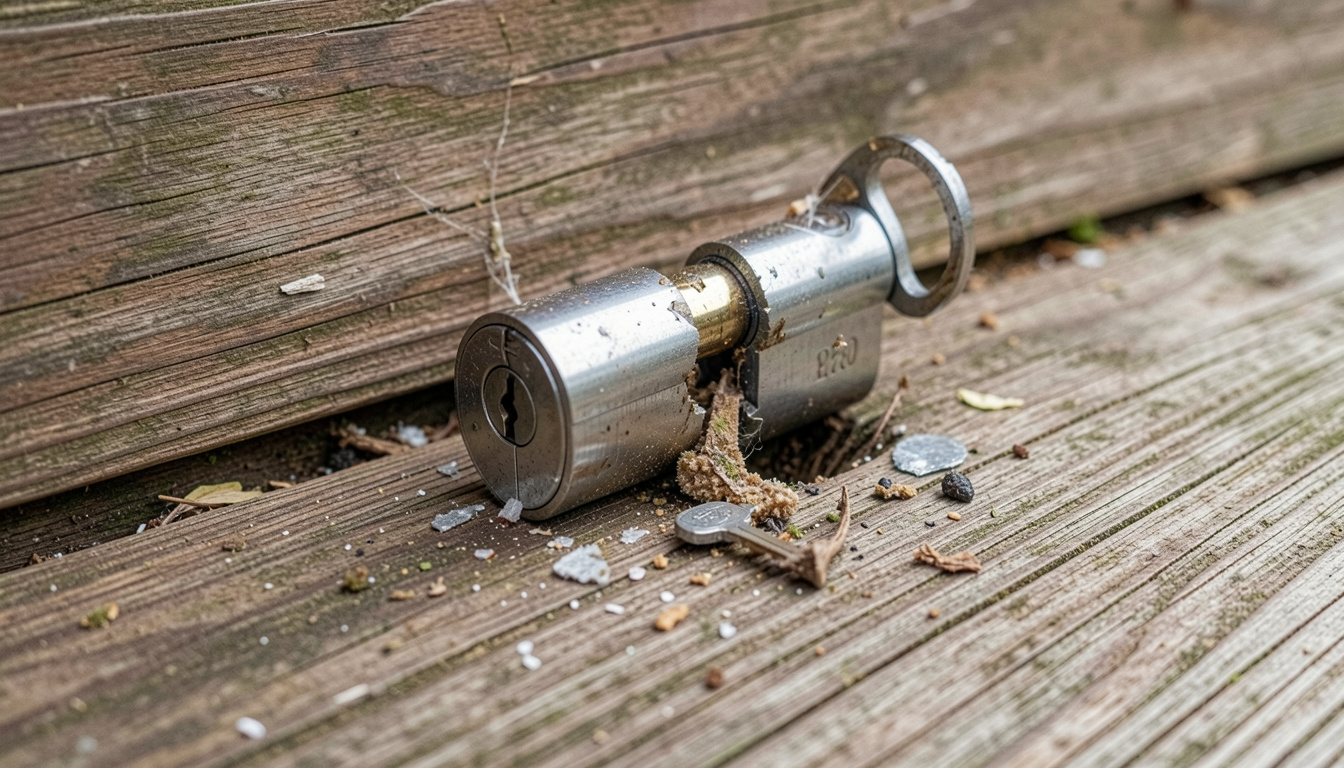
Severely damaged or corroded locks sometimes can’t be picked at all and have to be drilled out or removed entirely, especially after years of exposure to weather on an external door.
Some ultra-high-security locks, particularly those used in commercial vaults or specialist banking and government applications, are designed with mechanisms that even highly skilled locksmiths cannot defeat non-destructively. In these cases, manufacturer assistance or destructive entry is the only route in.
There’s also an ethical and legal side to this. A reputable locksmith will always ask for proof of identity or ownership before opening a lock on a property or vehicle. This isn’t bureaucracy for the sake of it; it’s there to stop locksmith skills being used to help someone break into a property they have no right to access. If you ever call a locksmith and they don’t ask for any form of verification at all, that’s actually a red flag rather than a convenience.
Smart Locks and Digital Locks: A Different Challenge Altogether
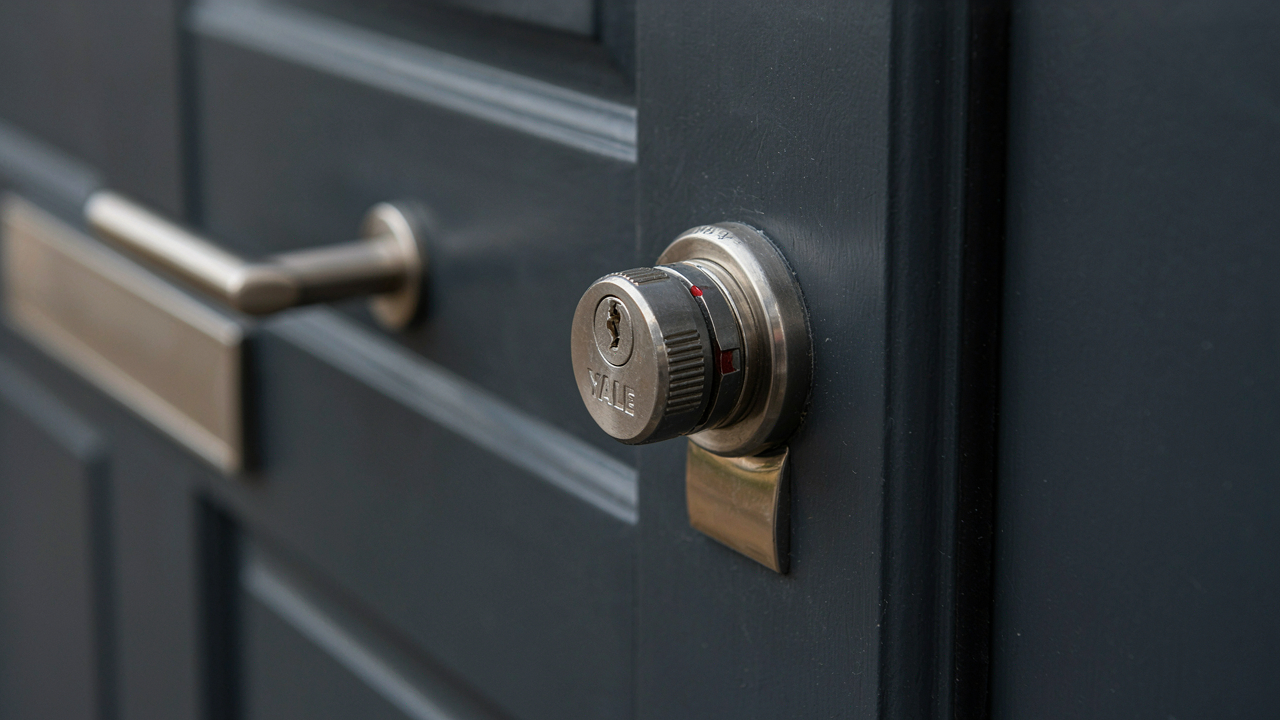
As more homes and businesses switch to smart locks, fingerprint scanners, and keypad entry systems, the question shifts slightly. These systems combine traditional mechanical components with electronics, batteries, and sometimes app connectivity. A locksmith with experience in modern security systems can usually still get you back into your property, whether that means a mechanical override, resetting the system, or working with the manufacturer’s support line. However, not every locksmith carries this expertise, so it’s worth checking that whoever you call has experience with smart and digital locks before they arrive.
Why Professional Experience Matters More Than “Any Lock” Claims
Anyone advertising that they can open literally any lock on the planet is overselling it. What actually matters are whether the locksmith you call has the training, tools, and experience to deal with the specific lock on your door, car, or cabinet, and whether they can do it without causing unnecessary damage.
A genuinely skilled locksmith will assess the lock first, choose the least invasive method available, and only resort to drilling or force as a last resort. This protects your door, your wallet, and your security in the long run, and it’s the kind of approach worth looking for whenever you search for a locksmith Leeds based company can put in front of you.
What to Do If You’re Locked Out in Leeds
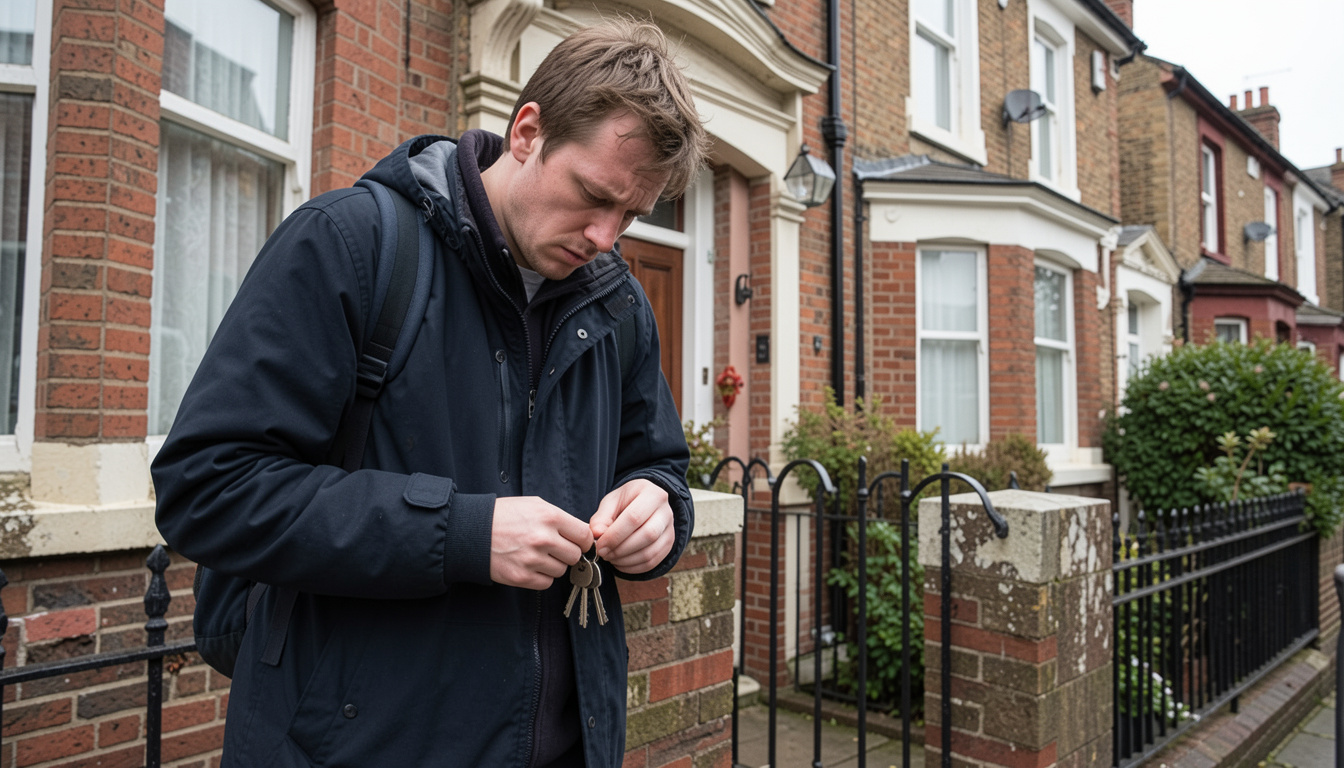
Lockouts rarely happen at a convenient time. Whether it’s a snapped key in the middle of the night, a jammed UPVC door lock after a storm, or being locked out of your car in a supermarket car park, you need someone who can respond fast and work confidently on whatever lock you’ve got.
This is exactly where 24/7 locksmith Leeds services prove their worth. Round-the-clock cover means you’re never stuck waiting until normal business hours just to get back into your own home or vehicle. Look for a provider offering genuine emergency locksmiths Leeds residents can call any time, day or night, with a realistic response time rather than a vague promise.
Easy Pickings Locksmiths is built around exactly this kind of fast, professional response, covering everything from lock picking and key cutting to lock repairs and full security upgrades across Leeds and the surrounding areas.
Tips for Choosing a Reliable Locksmith
A few simple checks can save you a lot of hassle. Always confirm the locksmith is willing to provide identification and proof of qualification before they start work. Ask for an upfront quote so there are no surprises once the job is done. Check whether they offer genuine 24/7 cover rather than just daytime hours with an answering machine overnight. And where possible, choose a locally based locksmith, since they’ll know the area, respond faster, and often have an established reputation you can verify through reviews.
Frequently Asked Questions
Can a locksmith open any lock without damaging it?
In most cases, yes. Skilled locksmiths use picking, decoding, or bypass techniques that leave the lock fully intact. Drilling is only used when the lock is too damaged or too high-security to pick safely.
How long does it take a locksmith to open a standard front door lock?
A standard pin tumbler or basic euro cylinder lock can often be opened in a matter of minutes by an experienced locksmith, though high-security or anti-snap cylinders can take considerably longer.
Will a locksmith ask for ID before opening my door?
Yes, and this is a good sign rather than an inconvenience. Reputable locksmiths verify identity or proof of address to confirm you have the right to access the property before any work begins.
Can locksmiths open smart locks and digital locks?
Many can, particularly those with experience in modern security systems. It’s worth confirming this with the locksmith beforehand if you have a smart lock or keypad entry system installed.
What should I do if I’m locked out late at night?
Call an emergency locksmith who offers genuine 24/7 cover. Avoid forcing the door yourself, as this often causes more damage and a higher repair cost than calling a professional would.
Is it cheaper to call a locksmith or replace the lock myself?
Calling a locksmith is usually far cheaper and safer than attempting a DIY fix, especially for UPVC, composite, or high-security locks, where mistakes can damage the door frame or void a warranty.
Final Thoughts
So, can a locksmith open any lock? In practice, the answer is almost always yes for everyday residential, commercial, and vehicle locks, thanks to a combination of skill, the right tools, and years of hands-on experience. The exceptions are rare and usually involve specialist high-security systems, severely damaged locks, or situations where ethical and legal boundaries rightly come into play. Whatever the situation, having a trusted local locksmith on speed dial means you’re never far from a fast, professional solution when you need one most.