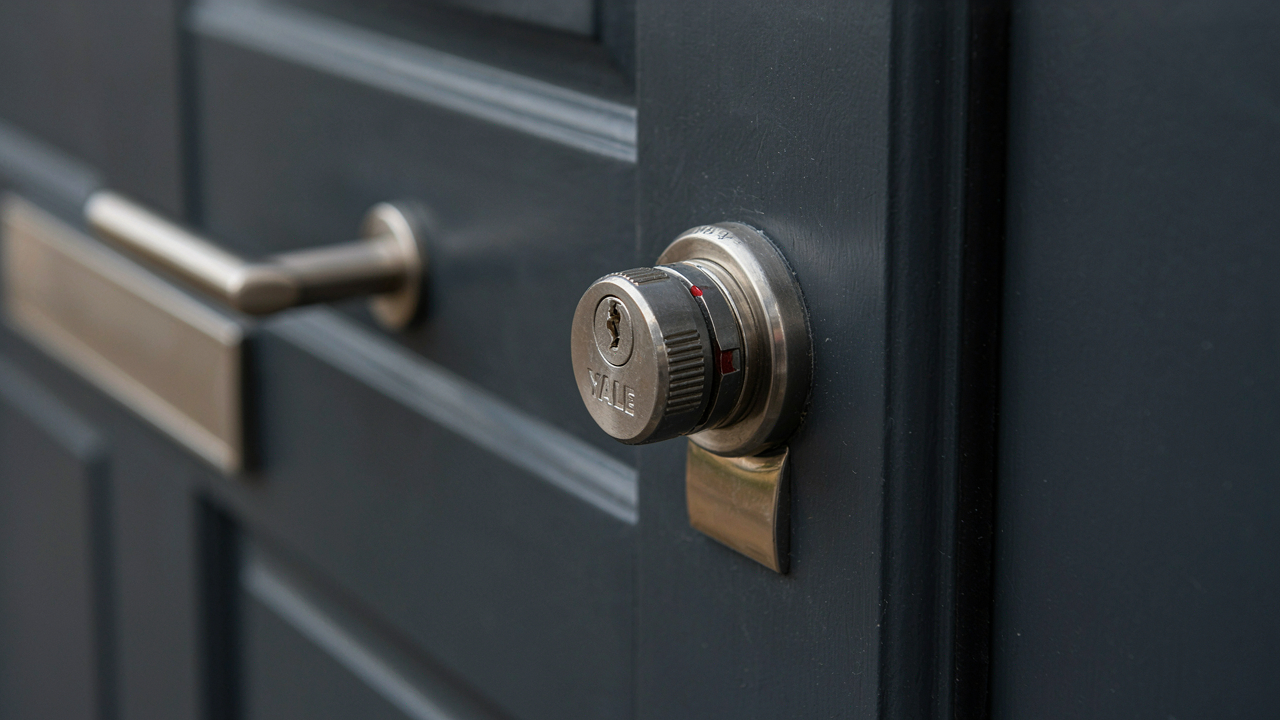
If you live in the UK and have a uPVC or composite door, you may have heard about anti-snap locks as a way to improve home security. But are they actually worth installing, and how do they compare with standard locks?
For many UK homes, upgrading an older euro cylinder to a properly fitted anti-snap cylinder can be a sensible security improvement. However, a lock is only one part of your home’s overall security. Choosing the right product, ensuring it is compatible with your door and having it fitted correctly are equally important.
This guide explains what anti-snap locks are, how they work, what euro cylinders do, when a lock upgrade may be worthwhile and what else you can do to improve your home’s security.
What Is an Anti-Snap Lock?
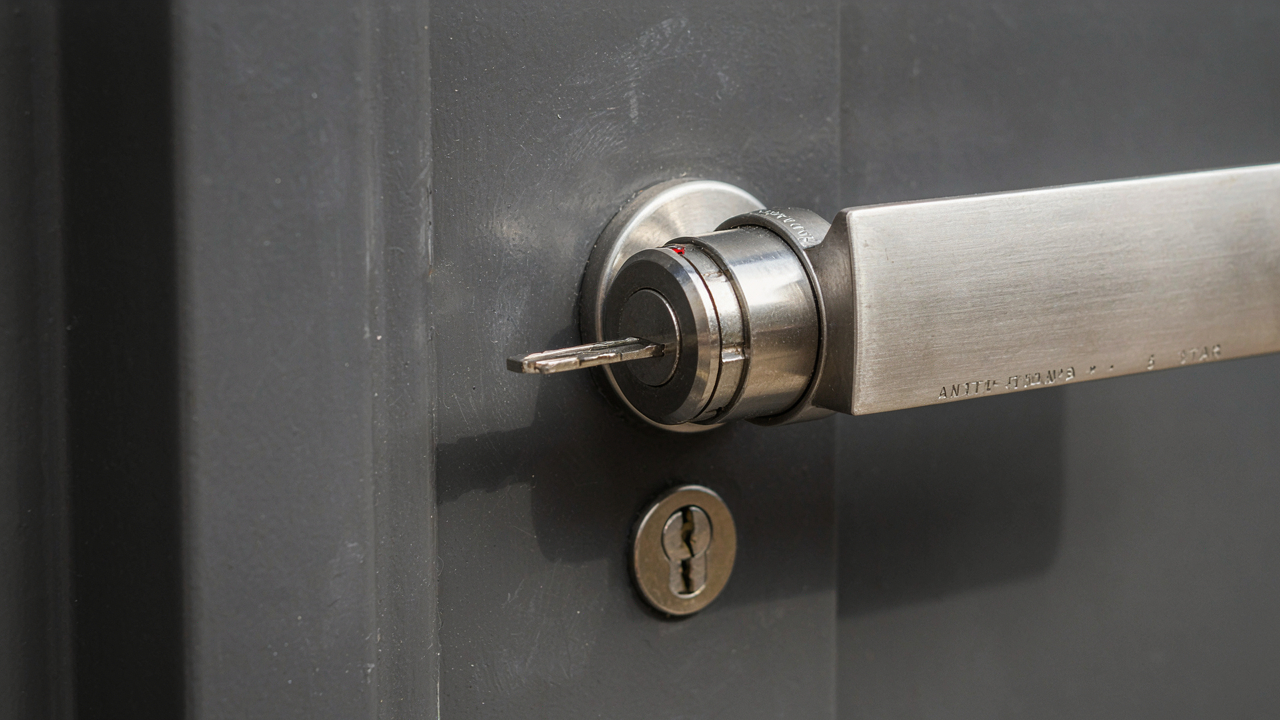
An anti-snap lock is a type of euro cylinder designed to provide additional resistance against lock snapping.
Euro cylinders are commonly used in uPVC and composite doors across the UK. They are the part of the locking system where you insert your key.
Some older or basic euro cylinders may have a vulnerable section that can be attacked using force. Anti-snap cylinders are designed with security features intended to limit the effectiveness of this type of attack.
The exact design varies between manufacturers and models. Some cylinders use reinforced or sacrificial sections to help protect the part of the lock that operates the door mechanism.
What Is Lock Snapping?
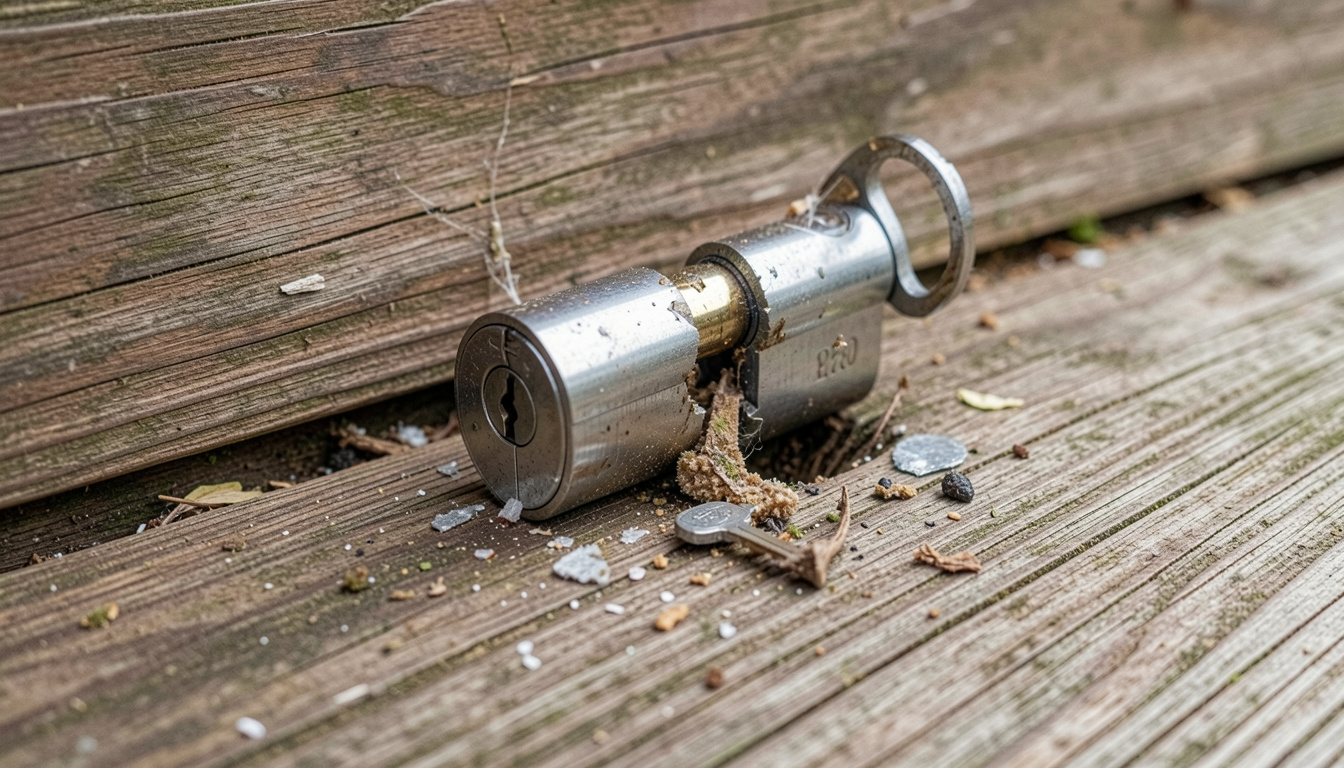
Lock snapping is a type of physical attack that can target certain euro cylinder locks.
The basic concern is that a vulnerable cylinder may break under force. Depending on the design of the cylinder, this could potentially give an attacker access to the locking mechanism.
However, not every euro cylinder is equally vulnerable. Security depends on the cylinder’s design, installation, condition and security features.
This is why homeowners should check what type of cylinder is fitted to their doors rather than assuming that every euro cylinder provides the same level of protection.
Are Anti-Snap Locks Worth It?
For many UK homeowners, yes, an anti-snap cylinder can be a worthwhile home security upgrade.
It can be particularly useful if your existing euro cylinder is old, worn, damaged or does not have modern security features.
You may want to consider an upgrade if:
- Your existing euro cylinder is old.
- You have recently moved into a property.
- Your lock shows signs of wear or damage.
- You want to improve the security of a uPVC or composite door.
- You are replacing a damaged cylinder.
- You have experienced a burglary or attempted break-in.
- You are carrying out wider home security improvements.
However, replacing the cylinder does not make a door completely secure. Door construction, handles, hinges, multipoint locking systems, glazing and other security features also contribute to overall protection.
What Is a Euro Cylinder?
A euro cylinder is a common type of lock cylinder used with many uPVC and composite doors in the UK.
It is typically operated with a key from the outside and may have either a key-operated mechanism or a thumbturn on the inside.
Euro cylinders are available in different sizes and configurations. Choosing the correct size is important because the cylinder should sit correctly within the door hardware.
A cylinder that protrudes unnecessarily from the handle or escutcheon may create additional security concerns.
If you are unsure what type or size of cylinder your door uses, a professional locksmith can identify it and explain your replacement options.
Standard Euro Cylinder vs Anti-Snap Cylinder
The main difference is that an anti-snap cylinder is specifically designed with features intended to improve resistance against lock snapping.
| Feature | Standard Euro Cylinder | Anti-Snap Cylinder |
| Commonly used in UK homes | Yes | Yes |
| Available in different sizes | Yes | Yes |
| Anti-snap features | Not necessarily | Yes |
| Designed to resist lock snapping | Depends on design | Yes |
| Suitable for uPVC doors | Often | Often |
| Suitable for composite doors | Often | Often |
| Can form part of a wider security upgrade | Yes | Yes |
Not every standard cylinder is automatically unsafe, and not every anti-snap cylinder provides exactly the same level of protection. Product quality, specification and installation all matter.
Do Anti-Snap Locks Prevent Burglary?
No lock can guarantee that a property will never be burgled.
Anti-snap cylinders are designed to provide additional resistance against a particular type of physical attack. They should therefore be viewed as one part of a wider home security strategy.
Other measures that can improve security include:
- Strong external doors
- Secure door handles
- Properly functioning multipoint locking systems
- Suitable window locks
- Security lighting
- Intruder alarms
- Security cameras
- Secure gates and access points
- Good-quality door and window hardware
The best approach is to consider the security of the whole property rather than relying on one lock.
How Do I Know If My Lock Is Anti-Snap?
Identifying a cylinder by appearance alone is not always straightforward.
You may be able to find security markings on the cylinder or check information supplied by the manufacturer. However, these markings are not always visible once the cylinder is installed.
You can also check how far the cylinder protrudes from the door handle. Excessive protrusion may be worth addressing, although this alone does not confirm whether a cylinder has anti-snap protection.
If you are unsure, a qualified locksmith can inspect the existing cylinder and explain what type you have.
When Should You Replace a Euro Cylinder?
You do not necessarily need to replace a euro cylinder simply because it is a standard model.
Replacement may be worth considering if:
- The cylinder is damaged.
- The key is difficult to insert or turn.
- The lock is becoming unreliable.
- You have lost your keys.
- You have recently moved into a new home.
- The cylinder is very old.
- It lacks security features you want.
- You want to improve your home’s overall security.
If your lock works properly but you are concerned about its security, consider having it assessed before deciding whether a replacement is necessary.
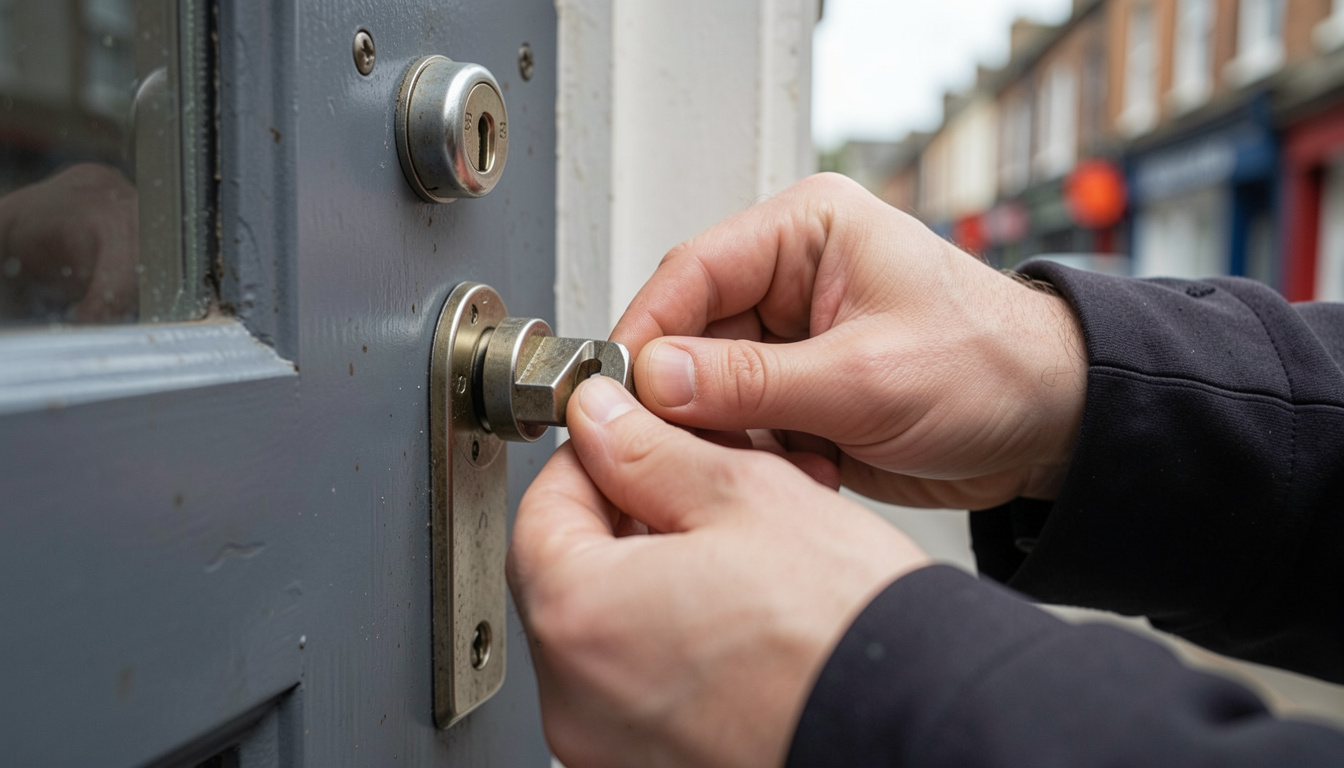
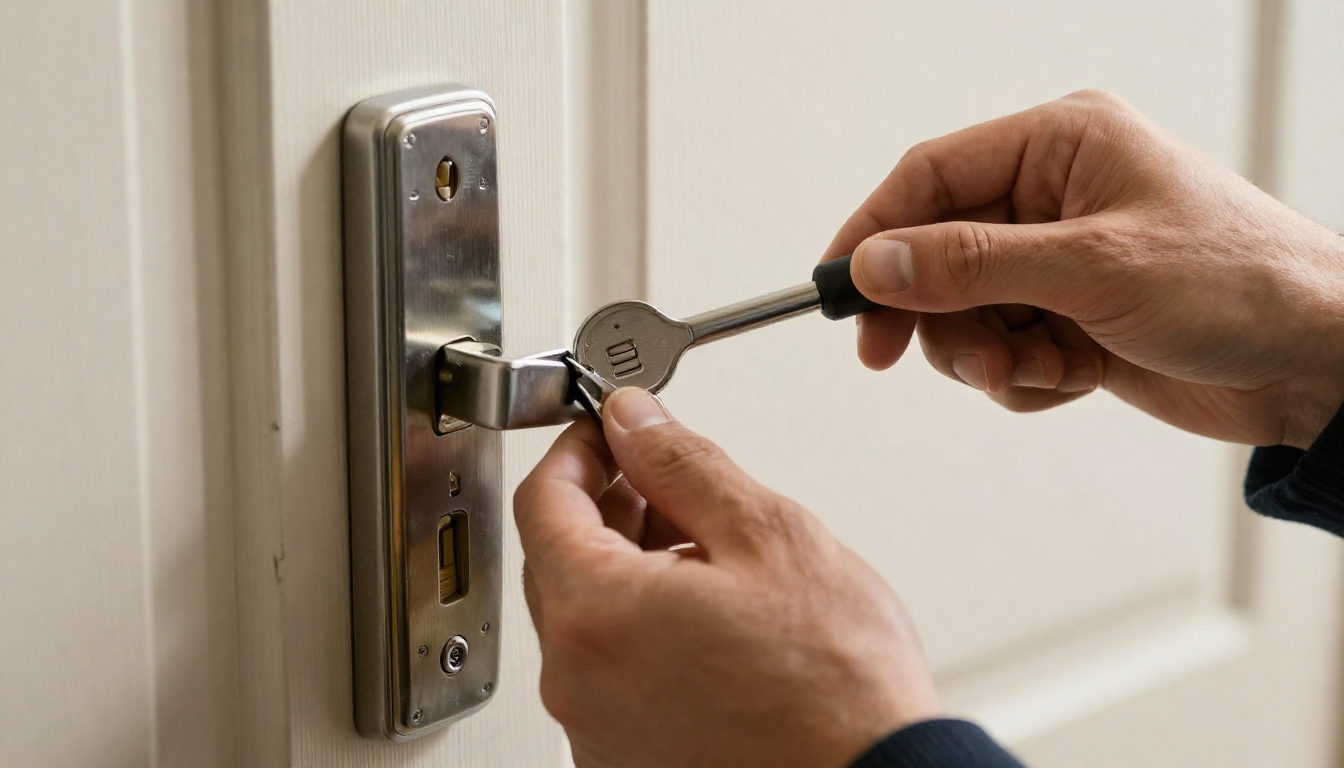
Can You Fit an Anti-Snap Cylinder Yourself?
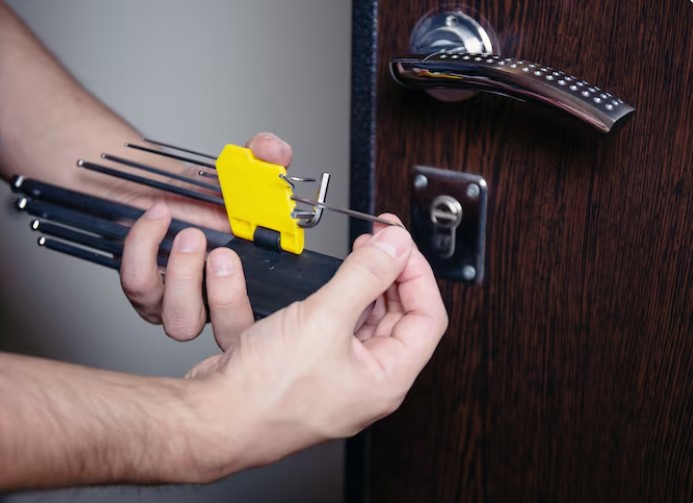
Some euro cylinders can be replaced relatively easily, but selecting the correct product and fitting it properly is important.
You need to consider:
- Cylinder dimensions
- Door thickness
- Handle position
- Internal and external measurements
- Thumbturn or key/key configuration
- Compatibility with the existing locking system
A poorly sized or incorrectly positioned cylinder may not provide the security or operation you expect.
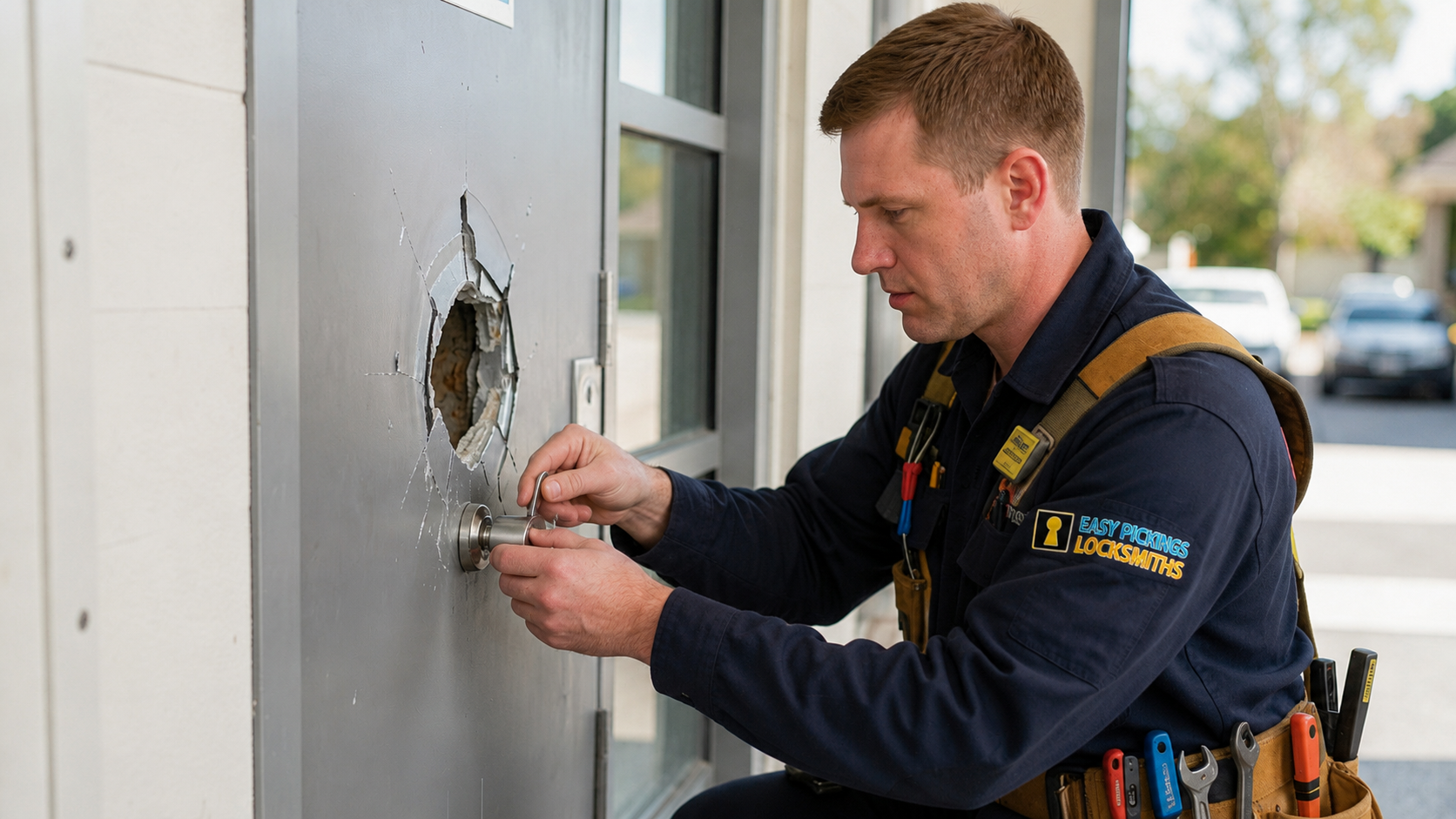
If you are unsure about measuring or fitting the cylinder, professional installation can help ensure the replacement is suitable for your door.
How Much Does an Anti-Snap Lock Cost?
The total cost depends on the cylinder’s brand, security specification, size and whether professional installation is required.
A basic replacement cylinder may cost less than a higher-security model with additional features.
When comparing prices, consider the complete cost, including:
- The cylinder
- Labour
- Installation
- Additional hardware, if required
- Emergency or out-of-hours charges, if applicable
Avoid choosing a security cylinder based purely on the cheapest price. Compatibility, quality and correct installation are important factors.
What Security Standard Should You Look For?
When choosing security hardware, look for recognised testing or certification that applies to the specific product.
UK homeowners may come across the TS007 3-star rating when researching high-security euro cylinders. Other recognised certification schemes may also apply depending on the product and type of security hardware.
Always check the manufacturer’s current specifications and certification rather than relying only on marketing terms such as “high security” or “anti-snap”.
Are Anti-Snap Locks Suitable for uPVC Doors?
Yes. Anti-snap euro cylinders are commonly used as security upgrades for uPVC doors.
However, the cylinder is only one part of a uPVC door’s locking system.
The overall security and operation of the door can also depend on:
- The multipoint locking mechanism
- Door handles
- Door alignment
- Door frame
- Hinges
- Condition of the locking points
If your uPVC door is difficult to lock, do not automatically assume that the cylinder is the problem. The issue could be related to alignment or another part of the locking mechanism.
Are Anti-Snap Locks Suitable for Composite Doors?
Many composite doors use euro cylinder systems, so an appropriate anti-snap cylinder may be suitable.
However, composite doors and their locking systems can vary. Before purchasing a replacement, check the existing hardware, cylinder dimensions and configuration.
If you are unsure, have the existing cylinder identified before ordering a replacement.
Are Anti-Snap Locks Worth It After Moving House?
They can be a sensible upgrade after moving into a new property.
You cannot always know how many copies of the previous keys exist or who may have had access to them.
Replacing the cylinders on external doors allows you to control who has keys to your home. It can also provide an opportunity to check whether your existing cylinders have modern security features.
You do not necessarily need to replace every lock immediately, but external doors should be included in your move-in security checklist.
Can Anti-Snap Locks Be Used with a Key on Both Sides?
Yes. Euro cylinders are available in different configurations, including versions that use a key on both sides.
Other versions may have a thumbturn on the inside.
The correct configuration depends on the door, existing hardware and how you use the property. Make sure the replacement cylinder is compatible before purchasing it.
How to Improve Home Security Beyond Anti-Snap Locks
Upgrading the cylinder is useful, but your home’s security should be considered as a whole.
Check Your Door
Make sure external doors close correctly and that the locking mechanism operates smoothly.
If the door is difficult to close or lock, have the cause investigated rather than repeatedly forcing the key or handle.
Check Door Handles
Loose, damaged or poorly fitted handles can affect the operation of the locking system.
Check that handles feel secure and operate normally.
Review Windows
Accessible windows should close properly and have suitable locking arrangements.
Pay particular attention to ground-floor windows and windows located near doors or other accessible areas.
Improve External Lighting
Motion-activated lighting can make entrances, paths and other access points more visible at night.
Good lighting can form part of a wider security strategy.
Consider an Alarm or Camera
Depending on your property and security needs, an appropriately installed alarm or security camera can provide another layer of protection and monitoring.
Keep Keys Secure
Avoid leaving house keys in obvious places near doors or windows.
If keys are lost or stolen, consider whether the relevant lock should be changed, particularly if the keys could be linked to your property.
Frequently Asked Questions
Are anti-snap locks worth it?
For many UK homes, upgrading an older or less secure euro cylinder to a properly specified anti-snap cylinder can be a worthwhile security improvement. It should, however, be considered as part of wider home security.
What is an anti-snap lock?
An anti-snap lock is generally a euro cylinder designed with features intended to provide greater resistance to lock snapping and related physical attacks.
Are all euro cylinders anti-snap?
No. Euro cylinders come in different designs and security specifications. A standard cylinder should not automatically be assumed to have anti-snap protection.
Can lock snapping still happen with an anti-snap cylinder?
Anti-snap cylinders are designed to make this type of attack more difficult and to limit its effectiveness. However, no security product can guarantee complete protection.
How do I know if I need an anti-snap cylinder?
If you have an older euro cylinder, are unsure what type is fitted or want to improve the security of a uPVC or composite door, it may be worth having the cylinder assessed.
Are anti-snap locks suitable for uPVC doors?
Yes. Anti-snap euro cylinders are commonly used with uPVC doors. The correct size and configuration must be selected for the existing door and locking system.
Should I replace my locks after moving house?
Changing the cylinders on external doors can be a sensible precaution because you cannot always know who has copies of previous keys. It also gives you control over who can access the property.
Do anti-snap locks make a home completely secure?
No. They address a particular security concern but are only one part of a complete home security strategy. Doors, handles, windows, lighting, alarms and other access points should also be considered.
Final Thoughts
For many UK homeowners, anti-snap locks are a practical way to improve the security of doors fitted with euro cylinders. They are particularly worth considering when an older cylinder is being replaced, after moving home or as part of a wider security upgrade.
The important thing is to choose a cylinder that is suitable for your door, check its security specifications and make sure it is correctly fitted.
If you are unsure whether your existing euro cylinder provides adequate protection, a professional locksmith can inspect the lock, explain the available options and help you decide whether an upgrade is worthwhile.
A stronger cylinder is useful, but effective home security comes from looking at the whole door and property rather than relying on one lock alone.