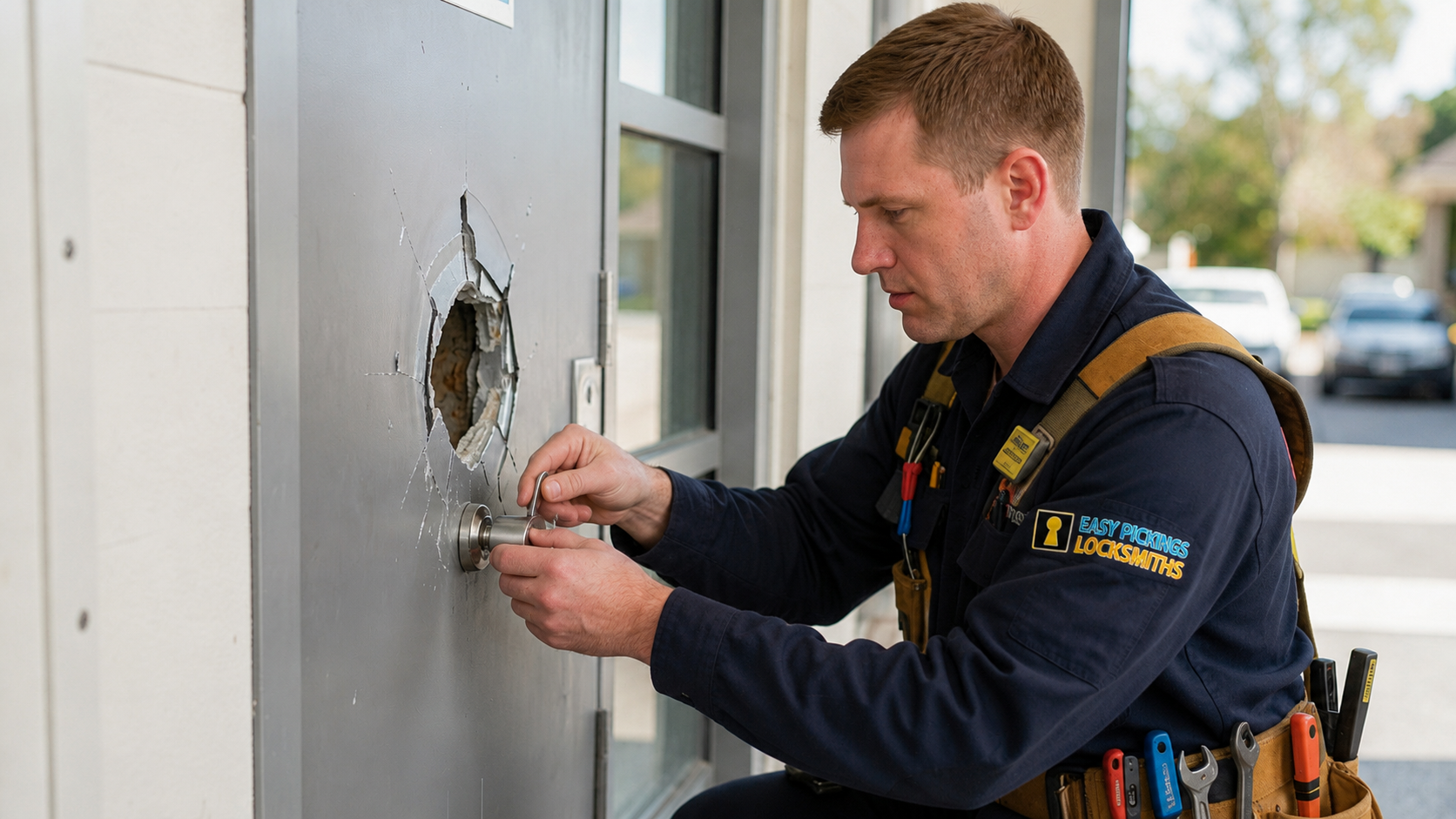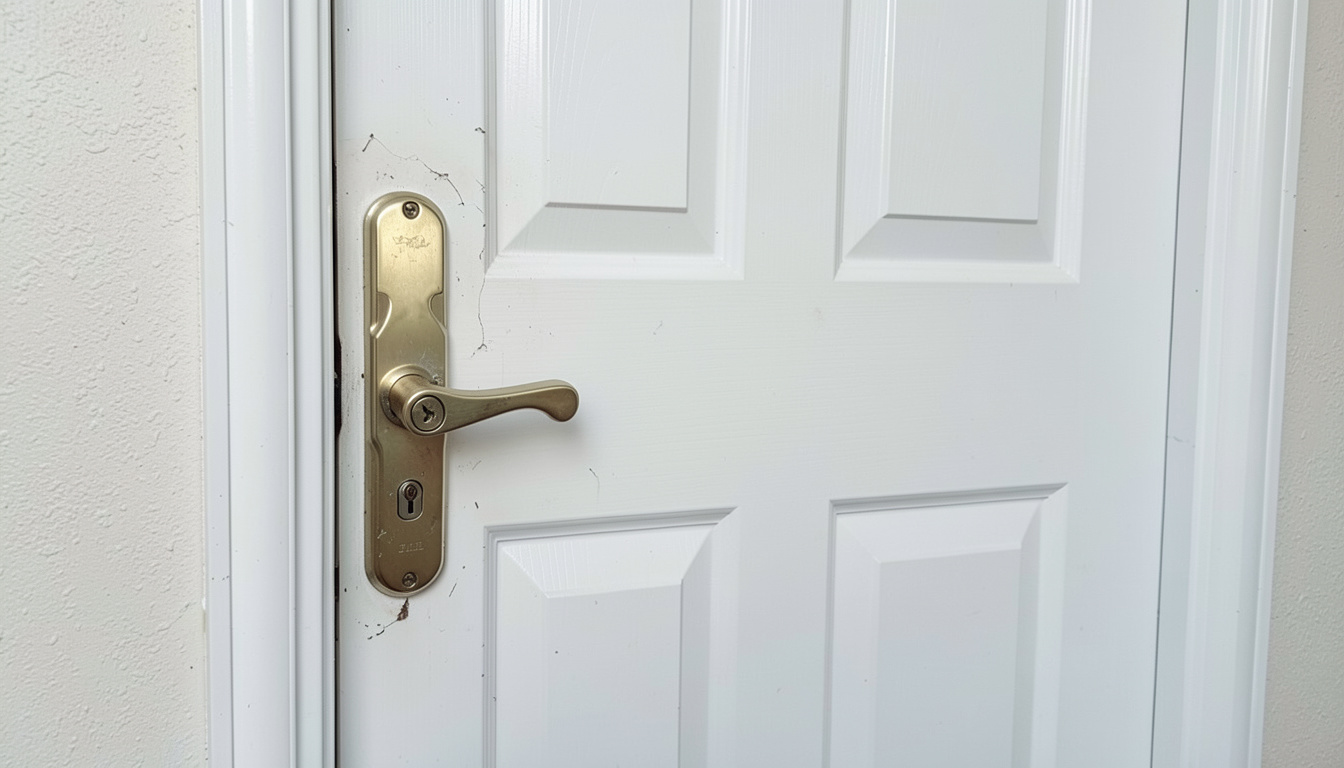
Lock snapping is a security concern associated with some types of euro cylinder locks, which are commonly found on uPVC and composite doors across the UK. The good news is that homeowners can take practical steps to reduce this risk without replacing their entire door.
If you have an older euro cylinder, are unsure what type of lock is fitted or want to improve your uPVC security, understanding how lock snapping works and what you can do about it is a useful part of your home security checklist.
In this guide, we explain what lock snapping is, why some euro cylinders may be more vulnerable, how anti-snap locks help and when a lock upgrade may be worth considering.
What Is Lock Snapping?
Lock snapping is a form of physical attack that can target certain euro cylinder locks.
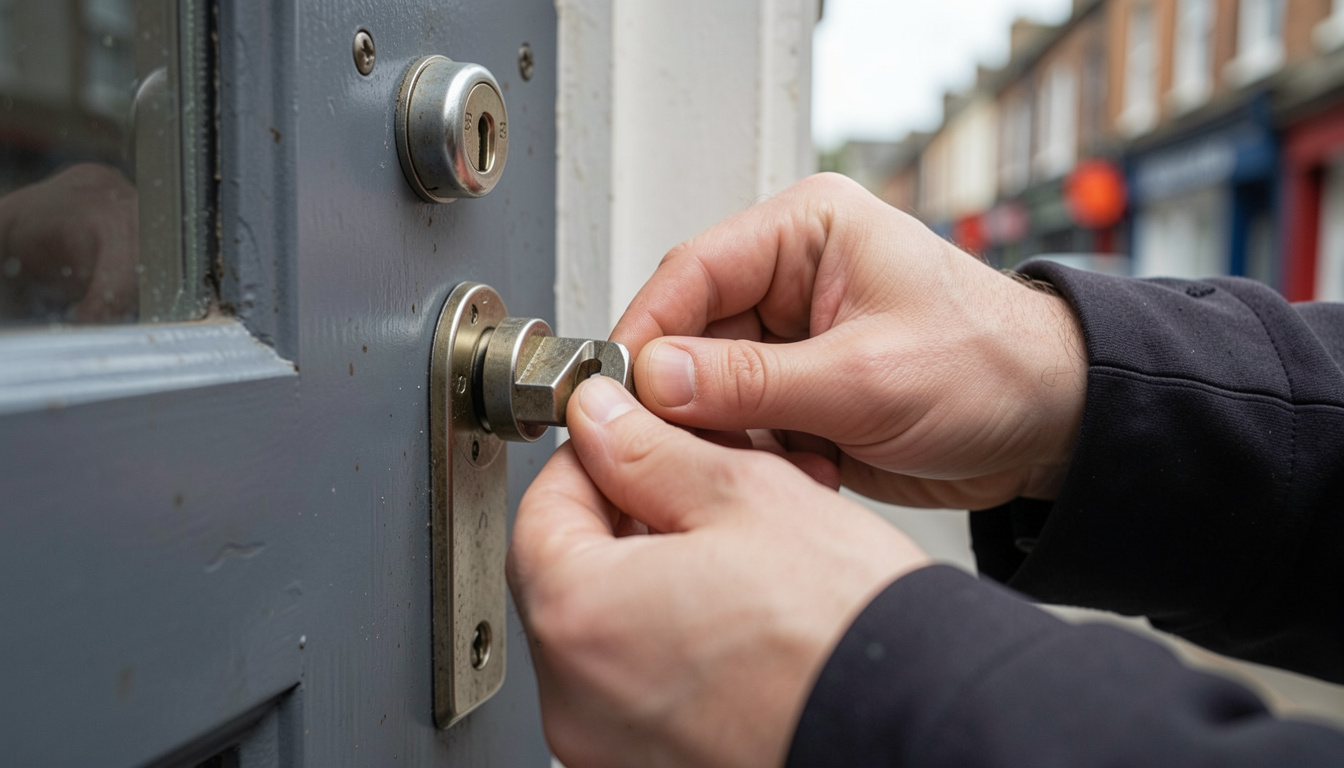
A euro cylinder is the part of a door lock where you insert your key. They are widely used in modern UK homes, particularly with uPVC and composite doors.
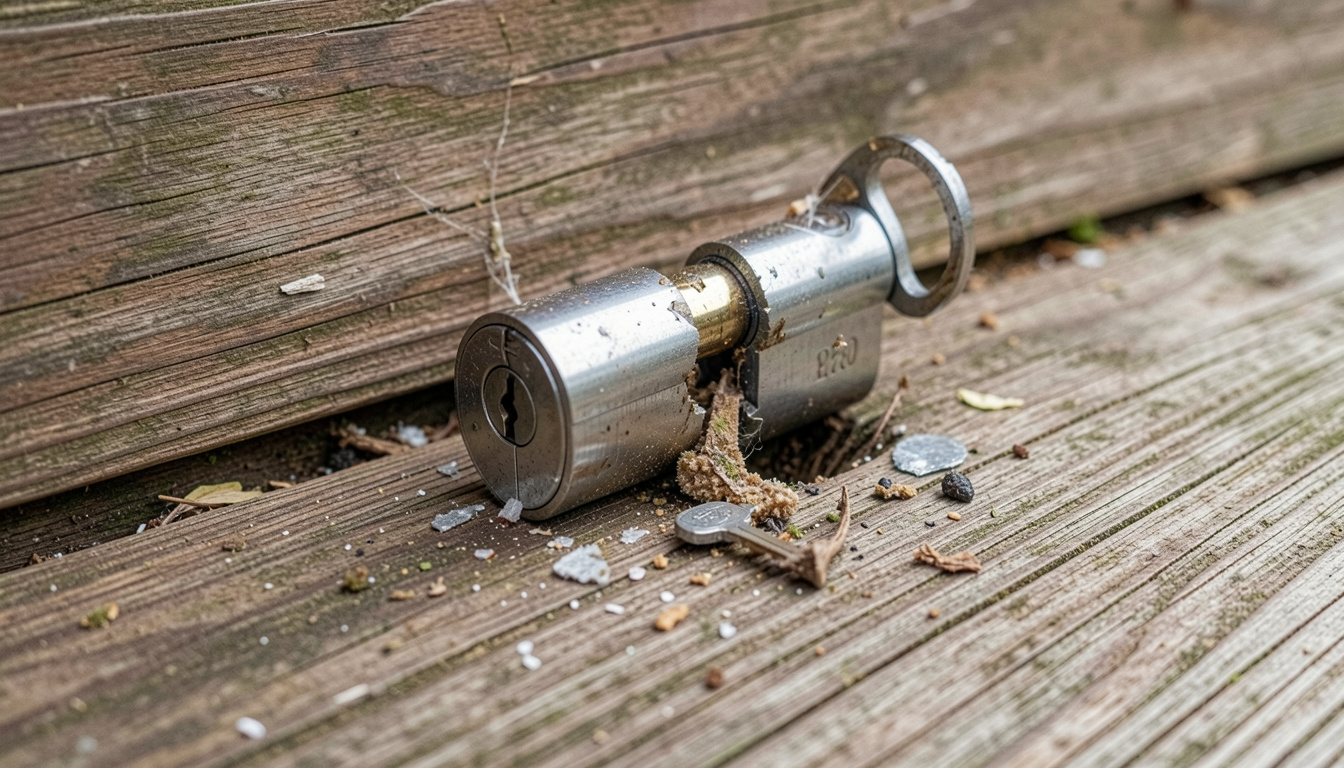
Some older or less secure cylinders can have a vulnerable section. If the cylinder is subjected to force, it may break at this point. Depending on the design, an attacker may then be able to access the locking mechanism.
The important point for homeowners is that not every euro cylinder offers the same level of protection. Modern security-focused cylinders can include features specifically designed to resist snapping and limit what happens if the cylinder is attacked.
Why Is Lock Snapping a Concern for UK Homes?
Euro cylinder locks are common in the UK, particularly on uPVC doors. This makes the security of the cylinder an important consideration for homeowners.
Older doors may still have cylinders that were installed many years ago and may not include some of the security features available in newer products.
This does not mean every older lock is automatically unsafe. However, if you are reviewing your home’s security, the cylinder is worth checking alongside other components such as:
- Door handles
- Multipoint locking mechanisms
- Door frames
- Hinges
- Windows
- External lighting
- Alarm systems
Good home security is about multiple layers rather than relying on a single product.
How Do Anti-Snap Locks Help?
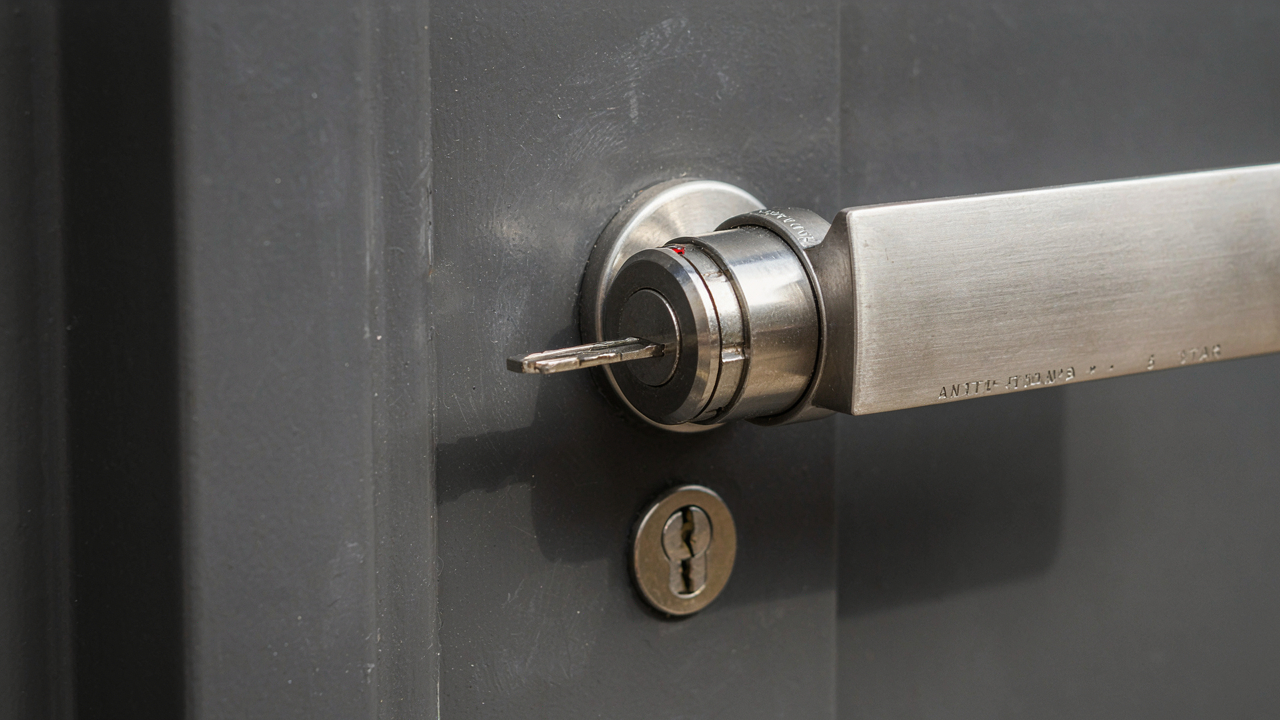
Anti-snap locks are designed to provide additional resistance against lock snapping.
Depending on the product, an anti-snap euro cylinder may include specially designed sections that help control how the cylinder behaves if it is attacked.
Some designs are intended to allow the outer section to break while protecting the part of the cylinder that controls the locking mechanism.
The exact protection varies between manufacturers and models, so it is important to check the product’s specifications rather than assuming every cylinder marketed as “anti-snap” offers identical protection.
Are All Euro Cylinders Vulnerable to Lock Snapping?
No.
Euro cylinders are available in different designs and security specifications. Some are designed with features that provide increased resistance to physical attacks, while older or basic cylinders may offer less protection.
If you are unsure what type of cylinder is installed on your door, you can ask a locksmith or security professional to inspect it.
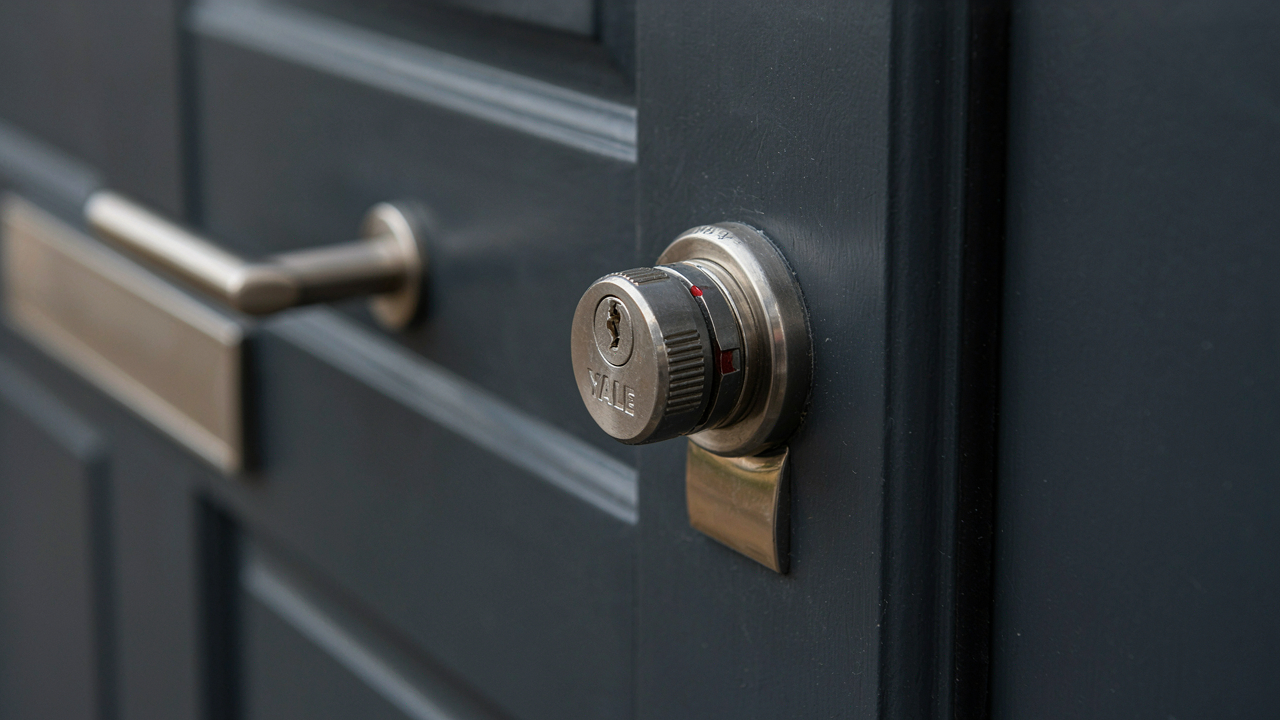
It is also worth checking whether the cylinder protrudes significantly beyond the door handle or escutcheon. Excessive protrusion can create additional security considerations, although appearance alone does not confirm whether a cylinder is anti-snap.
How Can You Prevent Lock Snapping?
You cannot guarantee that a property will never be targeted, but you can take sensible steps to reduce the risk.
1. Consider an Anti-Snap Cylinder
If your external door has an older euro cylinder, consider upgrading to a security-focused anti-snap model that is suitable for your door.
The cylinder needs to be correctly sized and installed. A poorly fitted security cylinder may not provide the protection you expect.
2. Check Your uPVC Door Security
Your cylinder is only one part of a uPVC door’s security.
Check that:
- The door closes properly.
- The multipoint locking system operates smoothly.
- Handles are secure.
- The cylinder is correctly positioned.
- There is no obvious damage to the door or frame.
- The locking points engage correctly.
If the door is becoming difficult to lock, do not assume the cylinder needs replacing. The problem could be alignment or another part of the mechanism.
3. Consider a Wider Lock Upgrade
A lock upgrade can be a good opportunity to review the overall condition of your door security.
Depending on your property, this may include upgrading the cylinder, replacing damaged handles or addressing problems with the multipoint locking mechanism.
A locksmith can assess the existing hardware and explain which improvements are actually necessary.
4. Look for Recognised Security Specifications
When choosing a replacement cylinder, do not rely solely on marketing terms such as “high security” or “anti-snap”.
Look at the manufacturer’s technical information and any relevant testing or certification.
Homeowners may come across specifications such as the TS007 3-star rating when researching high-security euro cylinders. Other recognised security schemes may also apply depending on the product.
Always check that the certification applies to the specific product you are buying.
5. Make Sure the Cylinder Is the Correct Size
Correct sizing is important.
A replacement euro cylinder should be appropriately sized for the door and positioned correctly within the hardware. A cylinder that protrudes unnecessarily can create additional security concerns.
If you are unsure how to measure your existing cylinder, a locksmith can identify the correct dimensions.
6. Secure Other Entry Points
Improving your front or back door cylinder is useful, but do not forget about other ways someone could access your property.
Review:
- Ground-floor windows
- Patio and French doors
- Garage access
- Side gates
- Rear entrances
- Door frames
- External lighting
A strong lock on one door cannot compensate for an easily accessible or poorly secured alternative entrance.
What Is uPVC Security?
uPVC security refers to the overall protection provided by a uPVC door and its locking system.
It is not simply about the cylinder.
A typical uPVC door may include a multipoint locking mechanism, which secures the door at several points around the frame. The cylinder operates this system, but the condition and quality of the other components also matter.
For this reason, if your uPVC door is difficult to lock or feels loose, it is worth having the complete locking system checked rather than immediately replacing the cylinder.
How Do I Know If My Lock Needs an Upgrade?
You may want to consider a lock upgrade if:
- Your cylinder is old.
- You do not know what type of cylinder is installed.
- The lock is damaged or worn.
- The cylinder protrudes noticeably.
- Your keys are difficult to turn.
- You have recently moved house.
- You have experienced an attempted break-in.
- You want to improve the security of your uPVC or composite doors.
A lock upgrade does not always mean replacing everything. Sometimes a suitable cylinder replacement is enough to improve the security of an otherwise sound door.
Should You Upgrade Your Locks After Moving House?
Changing the locks after moving house can be a sensible security precaution.
You cannot always know how many copies of the previous keys exist or who may have access to them. Replacing the cylinders on external doors gives you control over the new keys.
It is also a good opportunity to check whether your existing cylinders have modern security features.
If the door hardware is older or damaged, you may want to consider a wider security assessment.
Are Anti-Snap Locks Worth the Cost?
For many UK homeowners, an anti-snap cylinder can be a worthwhile upgrade, particularly if the existing cylinder is older or lacks modern security features.
However, price should not be the only consideration.
When comparing products, consider:
- Security specifications
- Certification
- Cylinder size
- Compatibility with your door
- Manufacturer reputation
- Installation quality
- Warranty or product support
A cheaper cylinder is not necessarily better value if it does not provide the features your door requires.
Can You Install an Anti-Snap Lock Yourself?
Some euro cylinders can be replaced relatively easily, but choosing the correct product and fitting it properly is important.
You need to make sure the cylinder:
- Is the correct size.
- Is compatible with the existing hardware.
- Is positioned correctly.
- Operates smoothly.
- Does not protrude unnecessarily.
If you are unsure, professional installation can help ensure the replacement is suitable and correctly fitted.
What Other Home Security Measures Should You Consider?
Lock upgrades are only one part of protecting your home.
You can also consider:
Strong Door Hardware
Make sure handles, hinges and other door hardware are secure and in good condition.
Security Lighting
Motion-activated lighting can make entrances and access routes more visible.
Window Security
Check that accessible windows close securely and have suitable locking arrangements.
Alarm Systems
An appropriately installed alarm can provide another layer of security and alert you to potential intrusion.
Security Cameras
Cameras can help monitor entrances and provide useful information if suspicious activity occurs.
Secure Outdoor Areas
Check side gates, garages, sheds and other areas that could provide access to the property.
What Should You Do If Your Lock Has Been Attacked?
If you believe someone has attempted to tamper with your lock, avoid repeatedly using a damaged cylinder.
Check the door and surrounding hardware for visible damage and consider contacting a professional locksmith or appropriate security service.
If you believe a burglary or attempted burglary has occurred, prioritise your safety and contact the relevant authorities before arranging repairs where appropriate.
Once the immediate situation has been dealt with, the door and locking system should be assessed and any damaged components repaired or replaced.
Frequently Asked Questions
What is lock snapping?
Lock snapping is a physical attack that can target certain euro cylinder locks. Force may cause a vulnerable cylinder to break, potentially allowing access to the locking mechanism.
Are anti-snap locks safer?
Anti-snap cylinders are designed with features intended to provide greater resistance to lock snapping. They can be a useful security upgrade, particularly for older or less secure euro cylinders.
Are all uPVC doors vulnerable to lock snapping?
No. The level of protection depends on the type and security specification of the cylinder and the overall door and locking system.
How can I tell if my lock is anti-snap?
You may be able to identify the cylinder through manufacturer markings or product information, but visual inspection is not always conclusive. A professional can inspect the cylinder and identify its type and security features.
Should I replace my euro cylinder?
If your cylinder is old, damaged, poorly fitted or lacks security features you want, replacement may be worthwhile. A locksmith can assess the existing lock before you decide.
What is a lock upgrade?
A lock upgrade involves improving one or more parts of a property’s locking system. This might include replacing a cylinder, upgrading door hardware or addressing problems with the locking mechanism.
How can I improve uPVC door security?
Start by checking the cylinder, multipoint locking system, handles, frame and overall condition of the door. An appropriate anti-snap cylinder can be one part of a wider security improvement.
Are anti-snap locks suitable for composite doors?
Many composite doors use euro cylinder systems, so an appropriate anti-snap cylinder may be suitable. The correct product must be selected based on the door and existing locking hardware.
Do anti-snap locks guarantee home security?
No. They are designed to reduce the risk associated with a particular type of attack. Effective home security requires several layers of protection across doors, windows and other access points.
Final Thoughts
Lock snapping is a genuine security consideration for some euro cylinder locks, but homeowners do not need to panic. The best approach is to understand what type of cylinder you have and consider whether its security features are suitable for your property.
For many UK homes, upgrading an older euro cylinder to a suitable anti-snap lock can be a practical improvement. However, remember that the cylinder is only one part of your home’s security.
Check the entire door, make sure the locking mechanism works correctly, use suitable security hardware and address other vulnerable access points around the property.
If you are unsure whether your existing lock needs upgrading, a professional locksmith can inspect your door, explain your options and help you choose a suitable security solution without recommending unnecessary work.