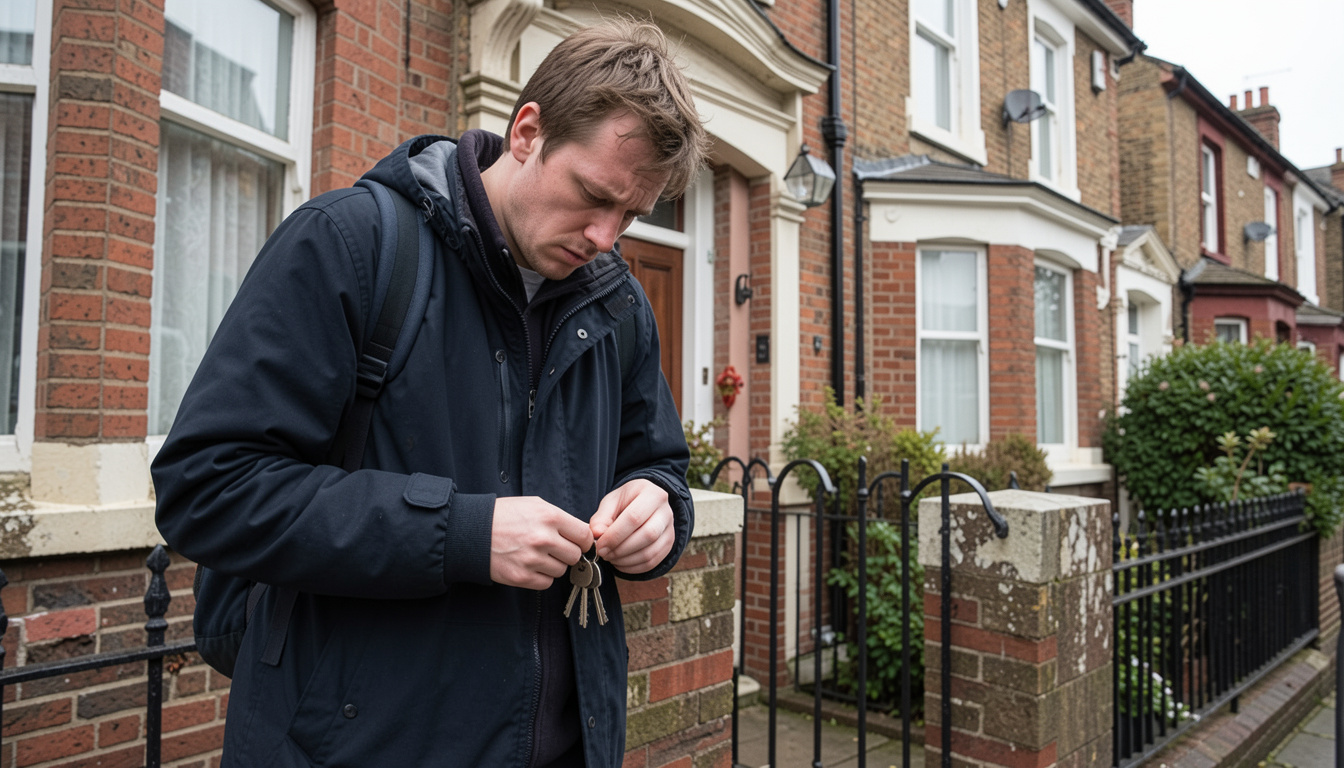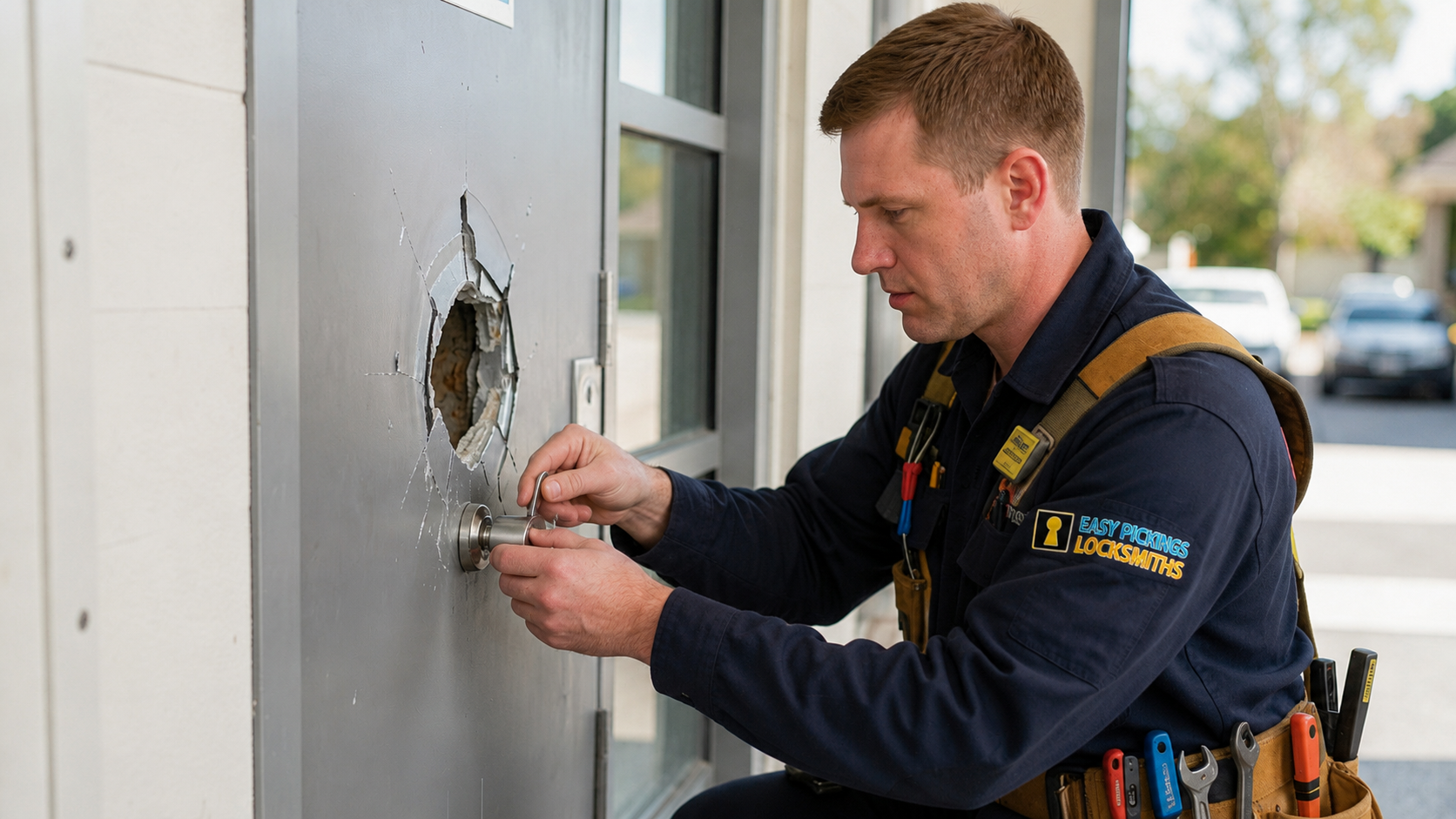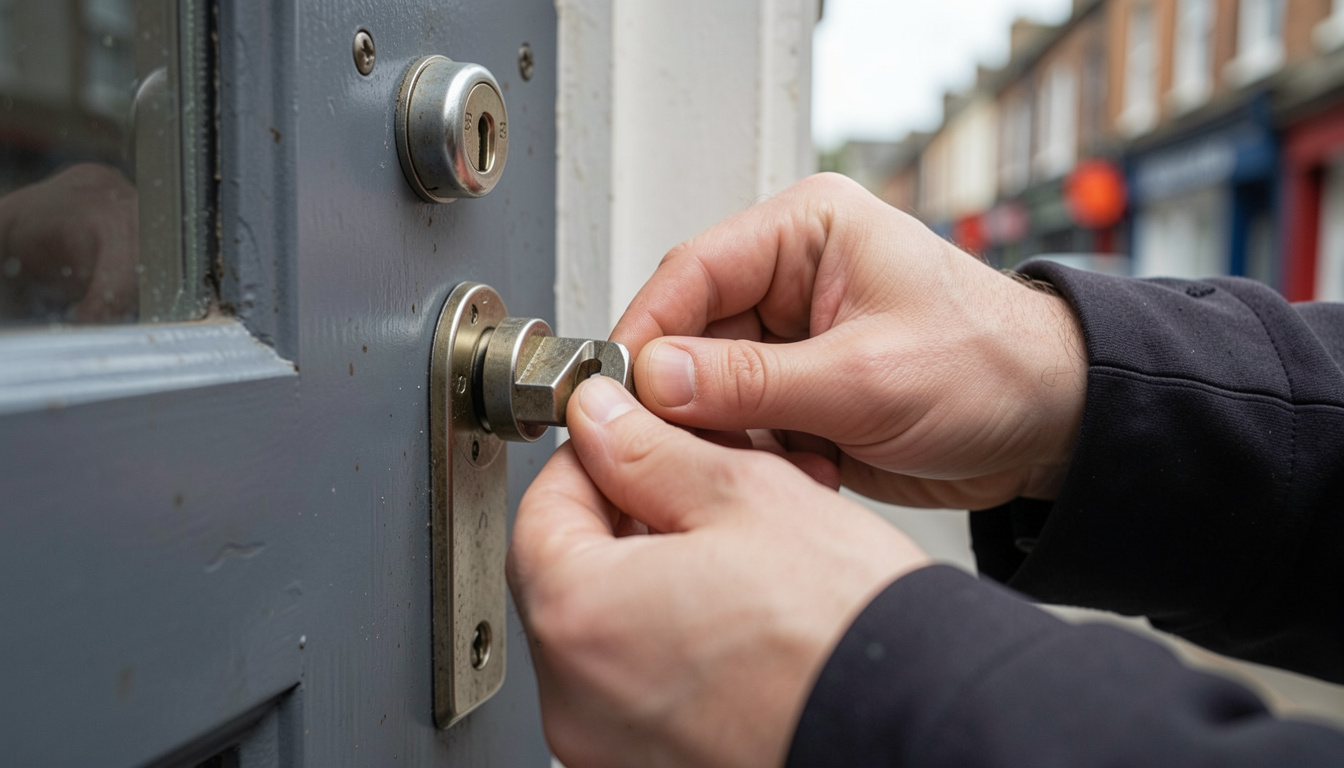
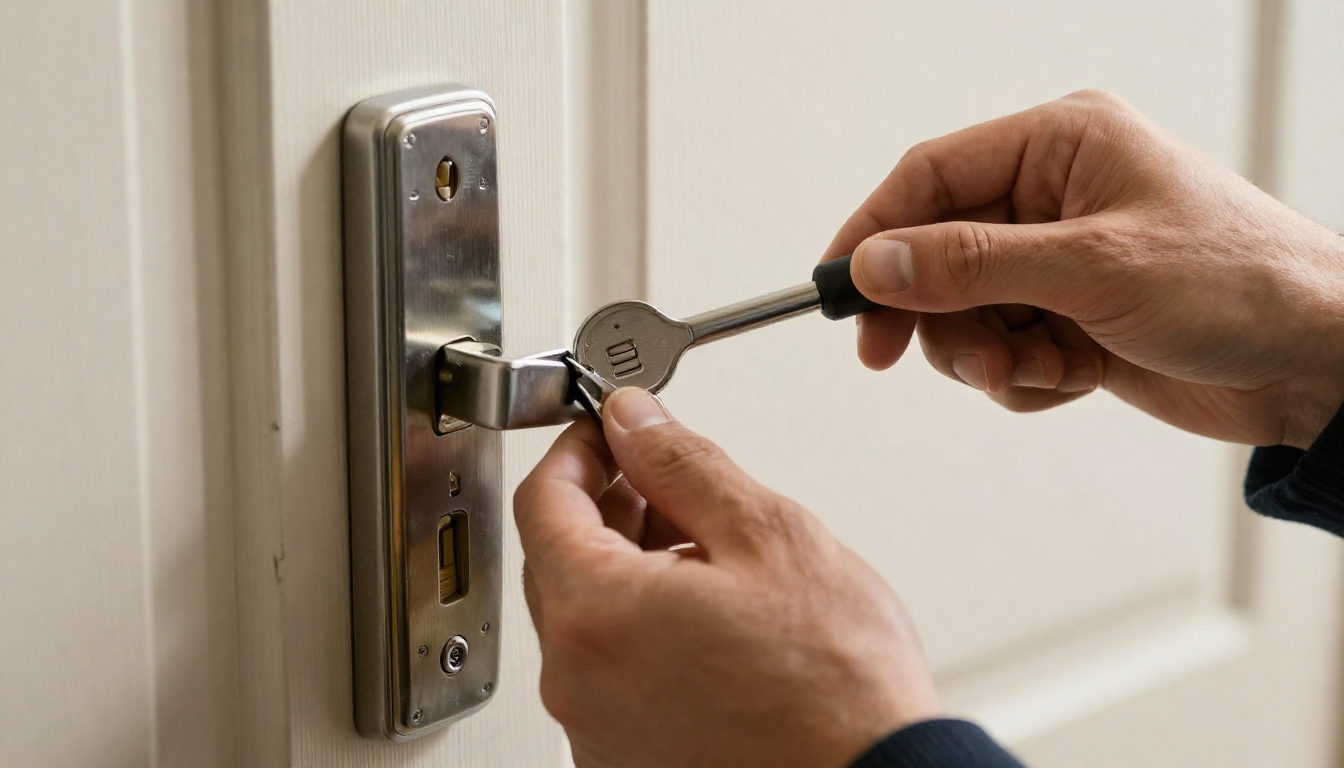
Locked out and dreading what comes next? Most people picture a locksmith showing up with a drill, tearing into the lock, and leaving you with a hefty repair bill on top of the callout itself. The good news is that’s rarely how it actually goes. A skilled Locksmith Leeds professional, like the team at Easy Pickings Locksmiths, has several non-destructive ways to get you back inside, and drilling is usually the last option, not the first. Here’s what really happens when a locksmith arrives at your door.
Yes, in most cases a locksmith can open your door without any damage at all. Techniques like lock picking, manipulation, and using specialist tools designed for specific lock types allow entry without touching the lock’s internal mechanism. Drilling is only used when the lock is damaged beyond repair, has been tampered with, or picking genuinely isn’t possible.
If a locksmith jumps straight to drilling without trying anything else first, that’s a red flag, not standard practice.
Why Non-Destructive Entry Is the First Choice
It Saves You Money
Picking or manipulating a lock leaves the mechanism intact, meaning you don’t need a replacement lock afterwards. Drilling destroys the cylinder, which means an additional part and labour cost on top of the callout fee.
It’s Usually Faster Too
Contrary to what people assume, an experienced locksmith can often pick a standard lock quicker than it would take to drill it out, remove the debris, and fit a new cylinder. Speed and care aren’t opposites here.
It Keeps Your Door Secure
Every time a lock is drilled, the door itself can take a bit of wear too, especially around the cylinder housing. Avoiding unnecessary drilling keeps your door in better long-term condition.
Common Non-Destructive Methods Locksmiths Use
1. Lock Picking
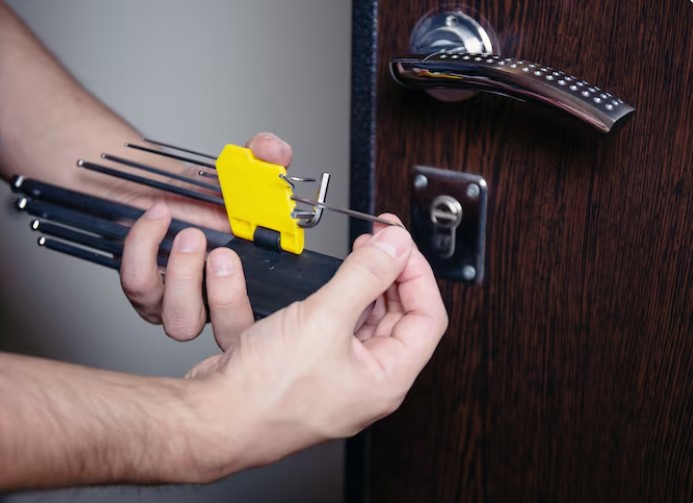
This is the classic method most people have heard of. Using specialist picks and tension tools, a locksmith manipulates the pins inside a standard pin tumbler lock until it turns, without any damage to the lock or door.
2. Lock Bumping
A bump key, cut to match the general shape of a standard key, is inserted and given a sharp tap while slight pressure is applied to the lock. This can pop pins into position and open the lock quickly on certain older lock types.
3. Manipulation of uPVC Multi-Point Locks
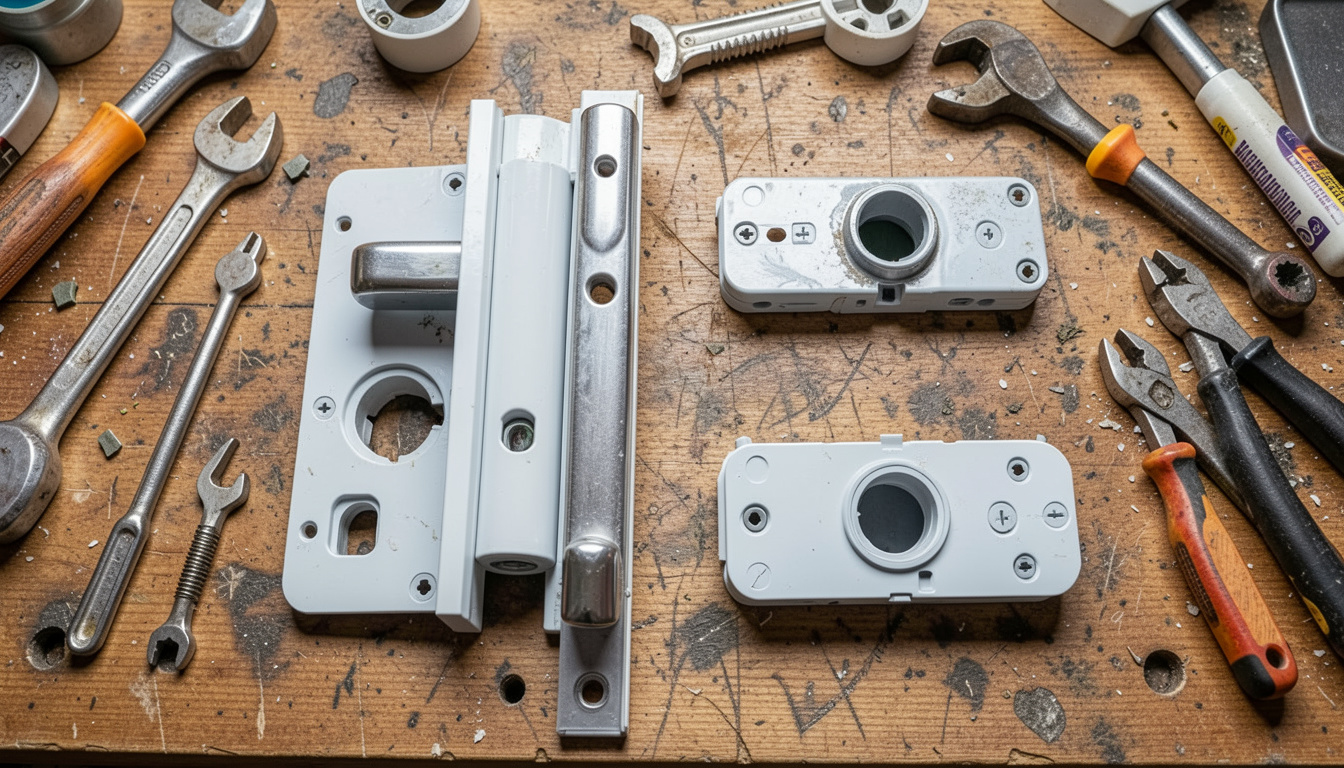
uPVC doors work differently to a standard mortice or cylinder lock. If the handle has been left in the wrong position or the mechanism has jammed, a locksmith can often manipulate the gearbox or realign the door rather than force entry at all.
4. Letterbox or Latch Tools
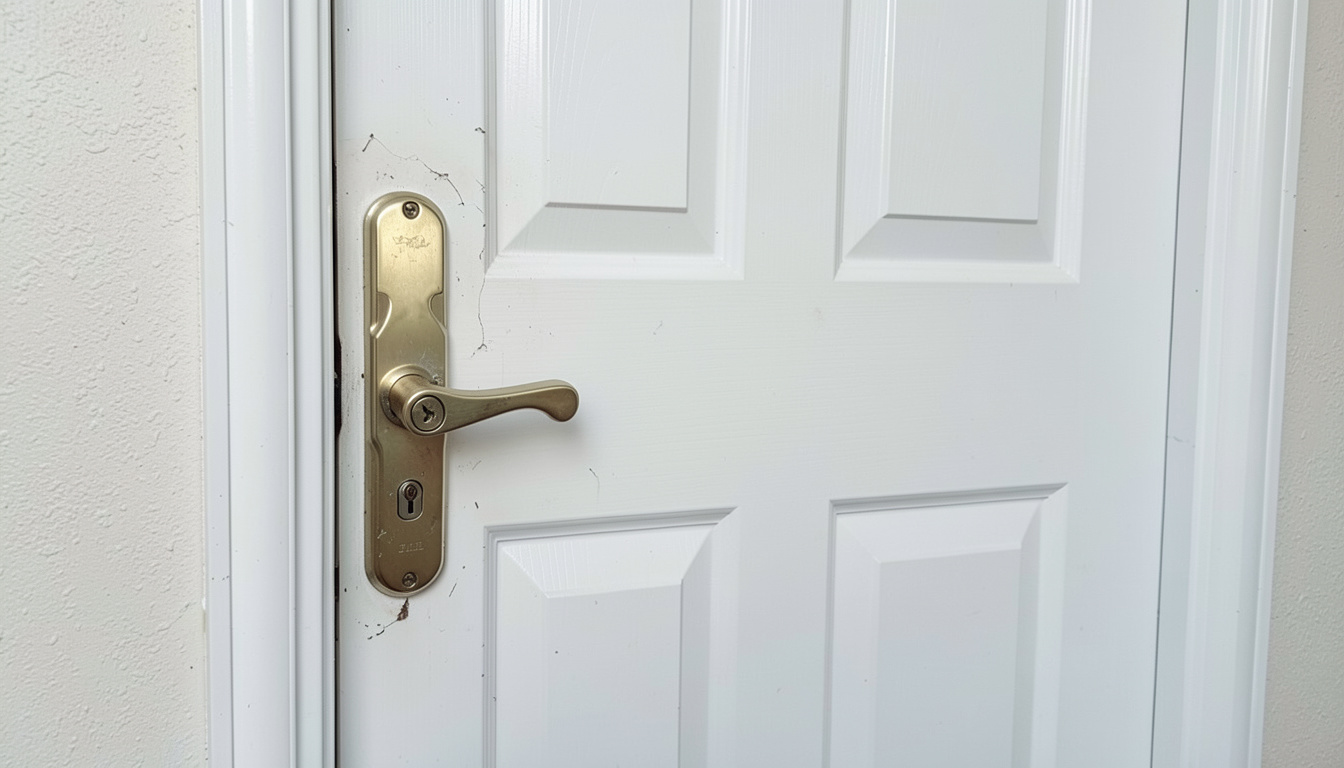
For certain older doors with a simple latch, specialist tools can be passed through a letterbox or gap to gently manipulate the latch open, again without touching the lock itself.
5. Bypass Tools for Specific Lock Brands
Many modern locks, including some smart locks and higher security cylinders, have known bypass methods that trained locksmiths use. These are brand and model specific, which is why experience matters more than just owning a toolkit.
When Drilling Actually Becomes Necessary
There are situations where non-destructive entry genuinely isn’t possible, and a responsible locksmith will explain exactly why before doing anything:
- The lock has been snapped or physically damaged, often from a break-in attempt.
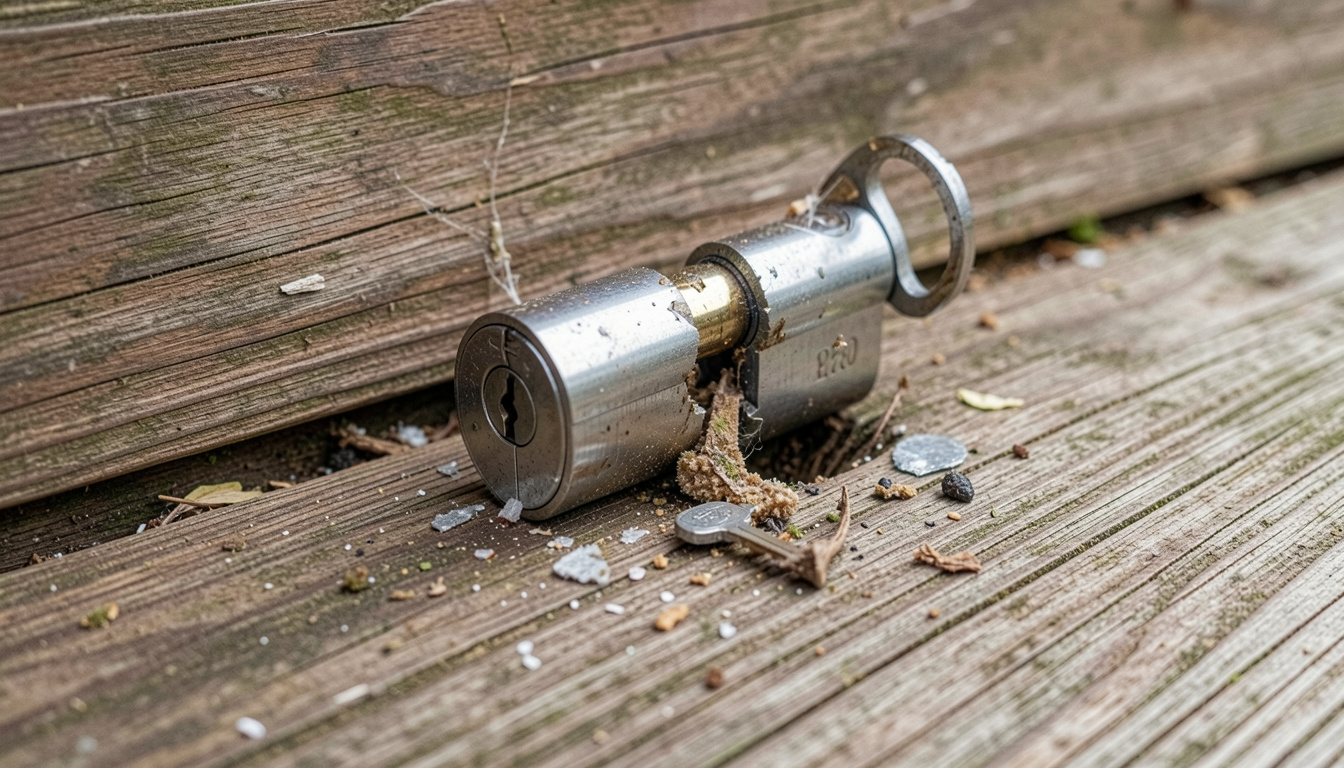
- A key has broken off deep inside the mechanism and can’t be extracted.
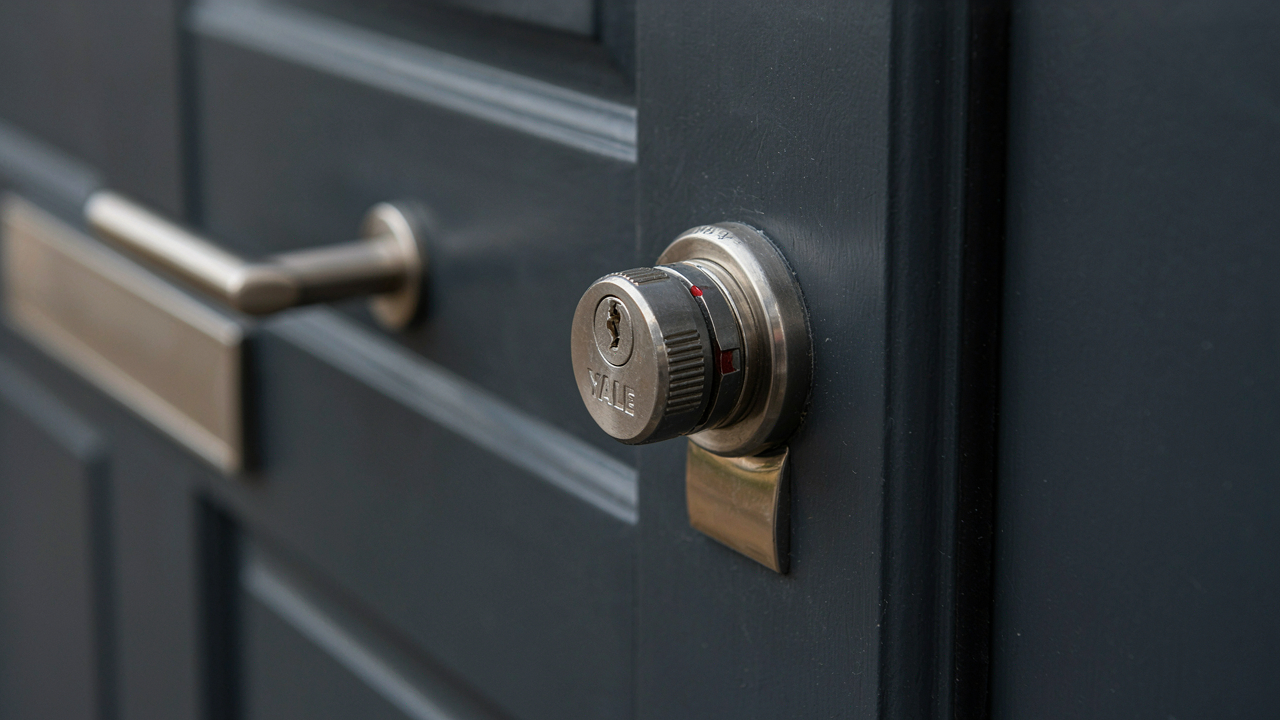
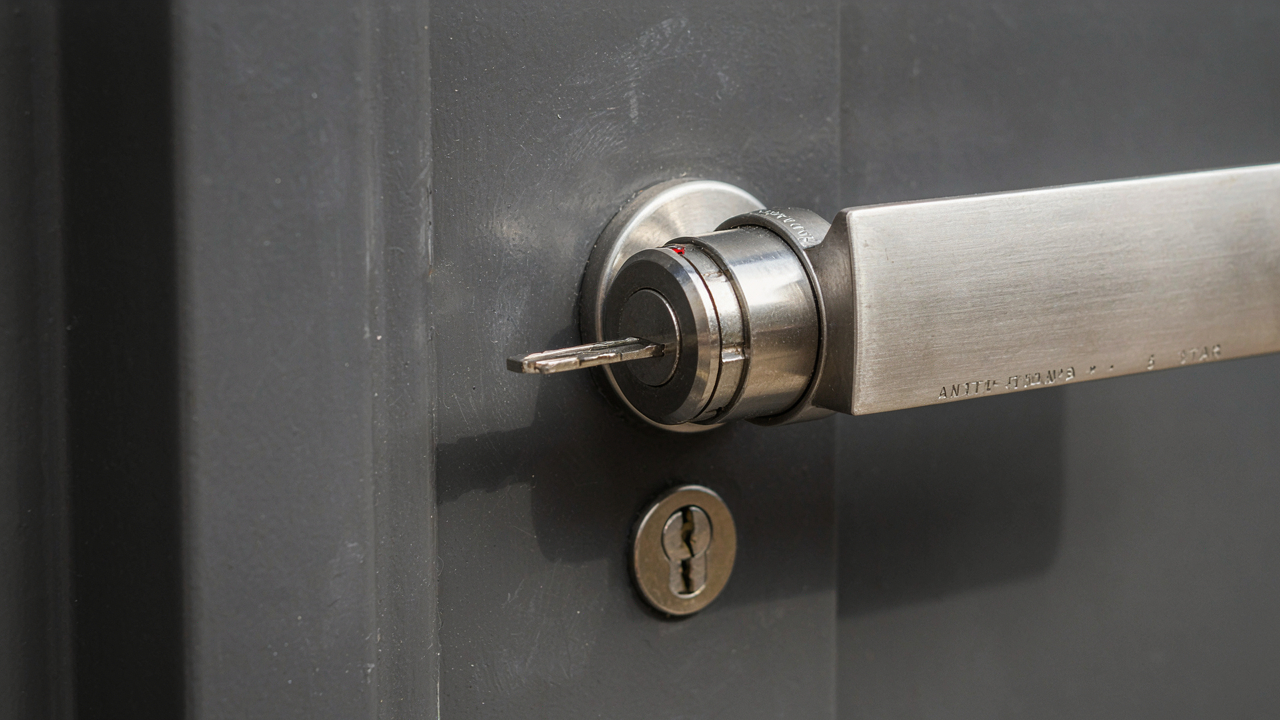
- The lock is a high-security anti-pick model specifically designed to resist manipulation.
- Foreign objects or superglue have been used to sabotage the lock.
- The lock has seized completely due to age, rust, or a mechanical fault.
Even in these cases, most locksmiths will drill only the cylinder itself rather than damage the surrounding door, and a new cylinder can usually be fitted immediately afterwards.
How to Make Sure You’re Getting Genuine Non-Destructive Entry
A few things to look out for when you call an emergency locksmith Leeds service:
- Ask directly. A trustworthy locksmith will explain their approach before starting, including whether picking will be attempted first.
- Get the price upfront. Non-destructive entry should cost less than a job involving drilling and a lock replacement. If the price is the same either way, something’s off.
- Check for identification. A legitimate, insured locksmith won’t mind showing ID or proof of qualification before starting work on your property.
- Ask what happens if picking doesn’t work. A good locksmith will tell you the next step and the cost involved before moving to a more invasive method.
What You Can Do While Waiting
- Check whether a window, back door, or garage entry might be safely accessible in the meantime.
- Avoid trying to pick the lock yourself with household items. This often damages the mechanism and makes the locksmith’s job harder.
- Keep the area around your door clear so the locksmith has room to work.
- Have proof of address or ID ready, since a professional will often ask before opening someone’s front door.
Why This Matters Beyond Just the Repair Bill
Choosing non-destructive entry isn’t only about saving money. It’s about preserving the security and condition of your home. A lock that’s been picked cleanly can simply be relocked and used as normal. A lock that’s been drilled needs replacing entirely, and until that’s done, your property is more vulnerable. A responsible Locksmith Leeds team will always weigh this properly rather than defaulting to the quickest tool in the van.
Final Thoughts
In the vast majority of lockouts, a skilled locksmith can get you back inside without drilling, damaging your door, or leaving your lock unusable. Picking, manipulation, and specialist bypass tools are the standard first approach, with drilling reserved for locks that are genuinely broken, sabotaged, or too high-security to pick. When you’re choosing who to call, look for a locksmith who explains their method, gives you honest pricing before starting, and only recommends replacement when it’s truly needed.
Frequently Asked Questions
Will a locksmith always try to avoid damaging my lock?
A professional locksmith will attempt non-destructive methods like picking or manipulation first in almost every situation, only moving to drilling when the lock genuinely can’t be opened any other way.
Does non-destructive entry cost more than drilling?
No, it’s usually cheaper, since there’s no need to buy and fit a replacement lock afterwards. Drilling typically adds to the overall cost because of the extra parts and labour involved.
Can any lock be picked, or are some locks drill-only?
Most standard cylinder and mortice locks can be picked by an experienced locksmith. Some high-security anti-pick locks are specifically designed to resist this, which may leave drilling as the only realistic option.
Is lock picking bad for my lock in the long run?
No, when done correctly by a trained locksmith, picking doesn’t damage the internal pins or mechanism. The lock can be used normally afterwards, just as it was before.
What if my uPVC door won’t lock properly rather than being locked out?
This is often a gearbox or alignment issue rather than something that needs forcing. A locksmith can usually diagnose and repair this without needing to drill or replace the entire lock.
How do I know if drilling was actually necessary or just quicker for the locksmith?
Ask for an explanation before any drilling starts. A genuine reason, such as a snapped lock or broken key inside the mechanism, should be clear and specific, not a vague “it was easier this way.