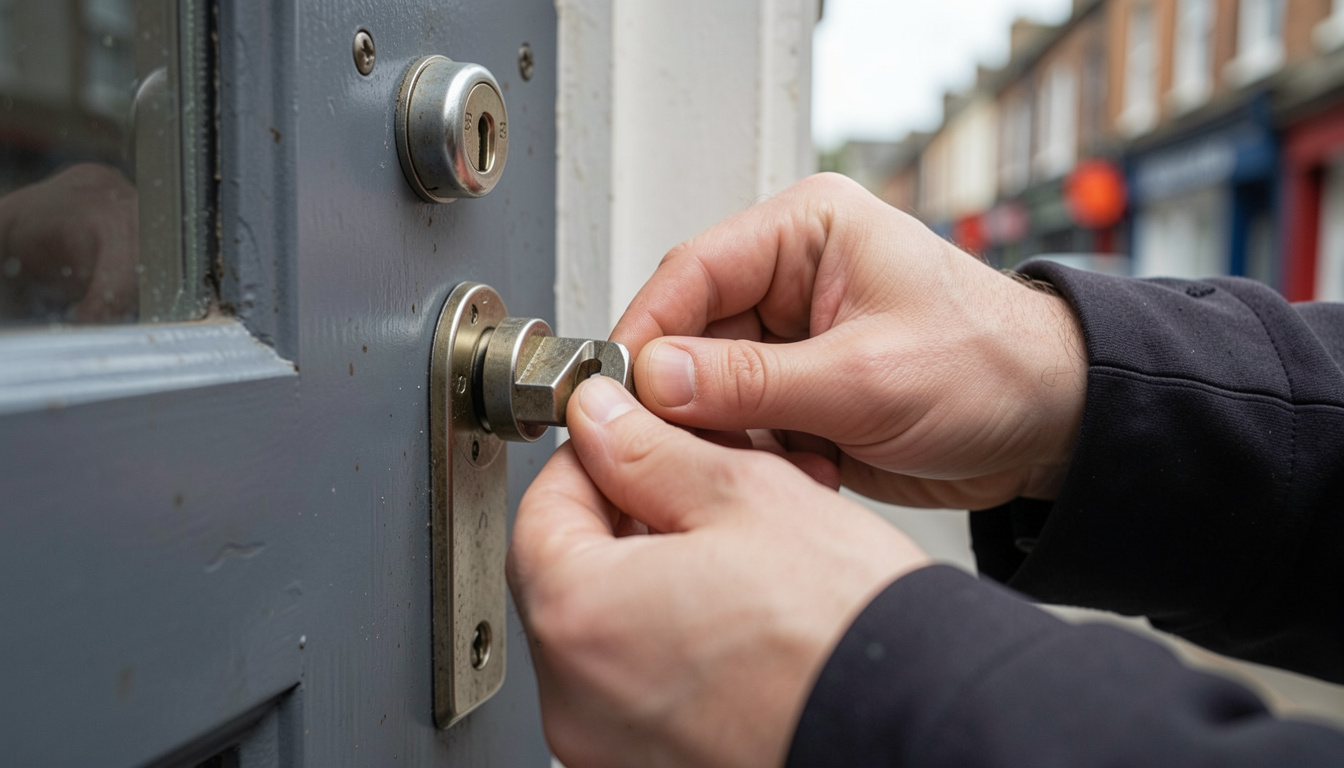
Standing outside, a locked door, whether it’s your own front door, a car, or an office you need to get into before a meeting, time feels like it slows right down. One of the first questions people ask when they pick up the phone is simple: how long is this actually going to take? It’s a fair thing to want to know before someone arrives with a kit of tools and starts working on your lock.
The honest answer is that most lockouts are resolved in fifteen to thirty minutes once a locksmith is on site, though the exact time depends heavily on the type of lock, the condition of the door, and how the lock has been treated in the past. Below, we’ll walk through what actually affects that timeframe, what to expect when a locksmith Leeds residents call out arrives at your door, and how to make the whole process as quick as possible.
The Short Answer: It Depends on the Lock
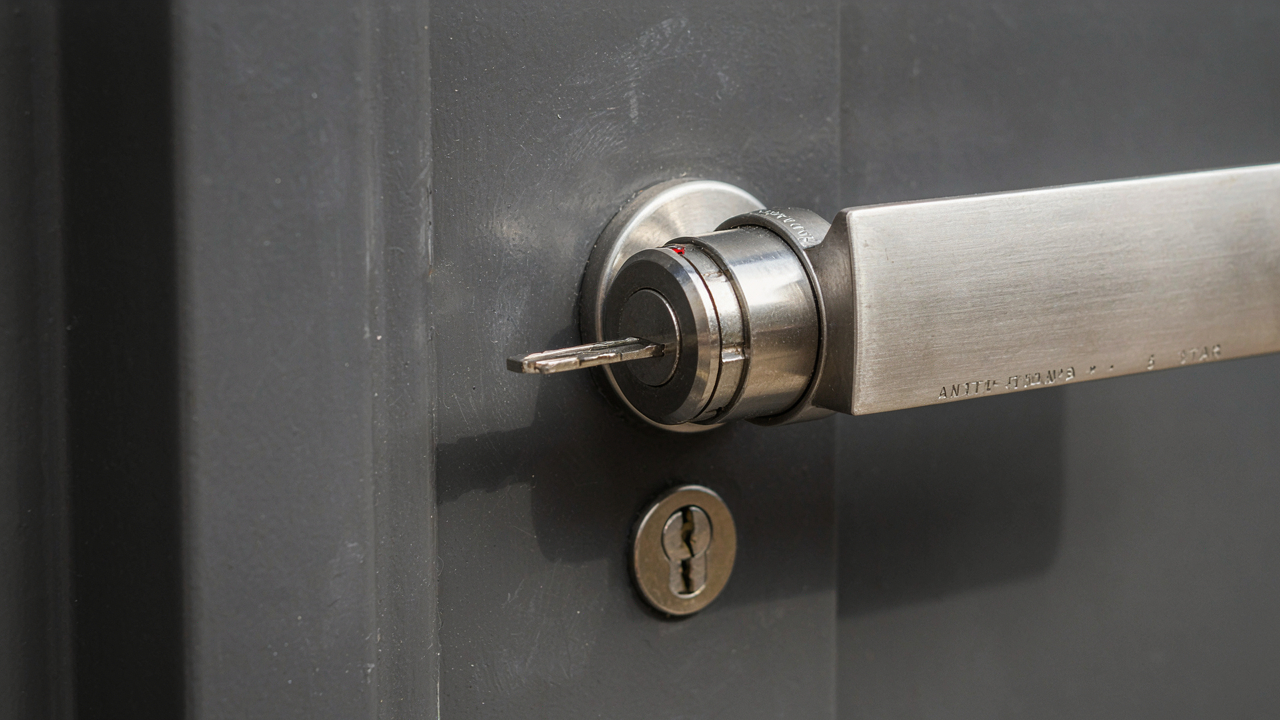
There’s no single number that applies to every situation, because not all locks are built the same way. A basic pin tumbler lock on an older wooden door behaves very differently to a modern anti-snap euro cylinder fitted to a UPVC composite door. Generally speaking, simpler mechanical locks open faster, while high-security or electronic locks take longer because they’re specifically designed to resist quick manipulation.
As a rough guide, a standard front door lock usually takes a trained locksmith somewhere between five and twenty minutes to open without forcing or damaging it. More complex or high-security locks can take thirty minutes to an hour. Anything beyond that usually means the lock is damaged, has been tampered with, or genuinely requires drilling and replacement rather than picking.
Factors That Affect How Long It Takes
A few key things determine whether a job is quick or takes a bit longer.
Type of lock
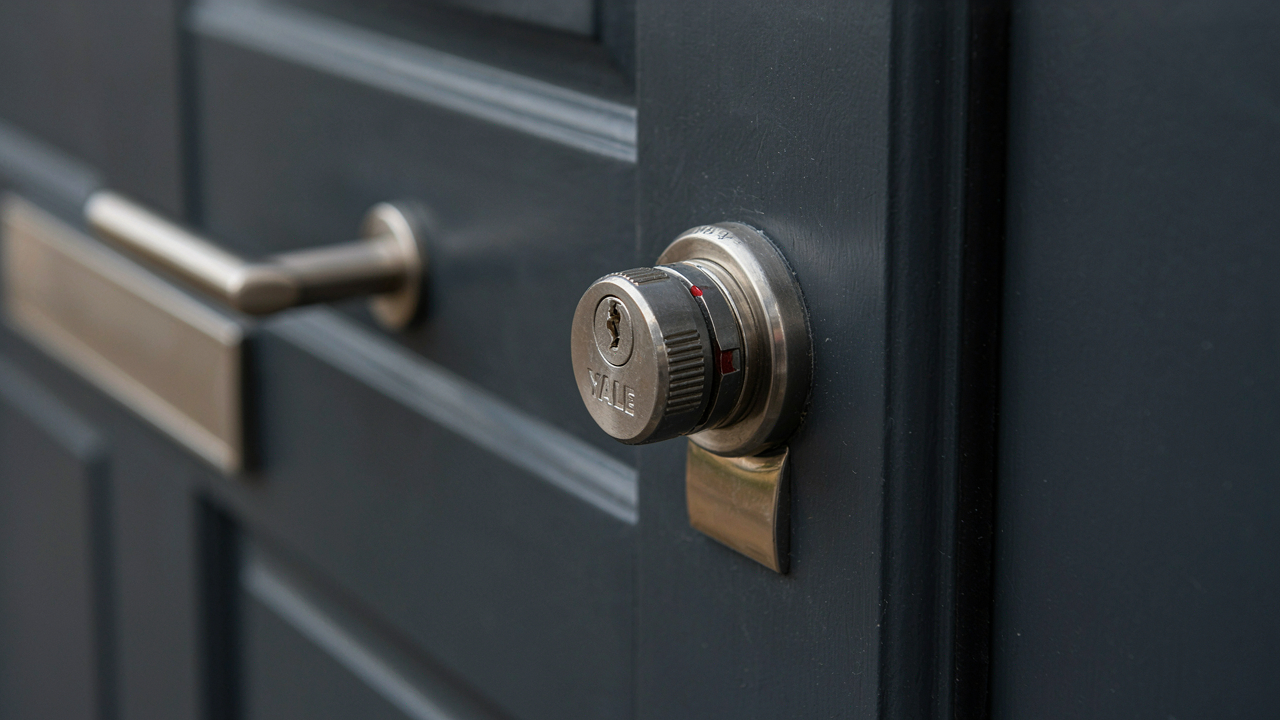
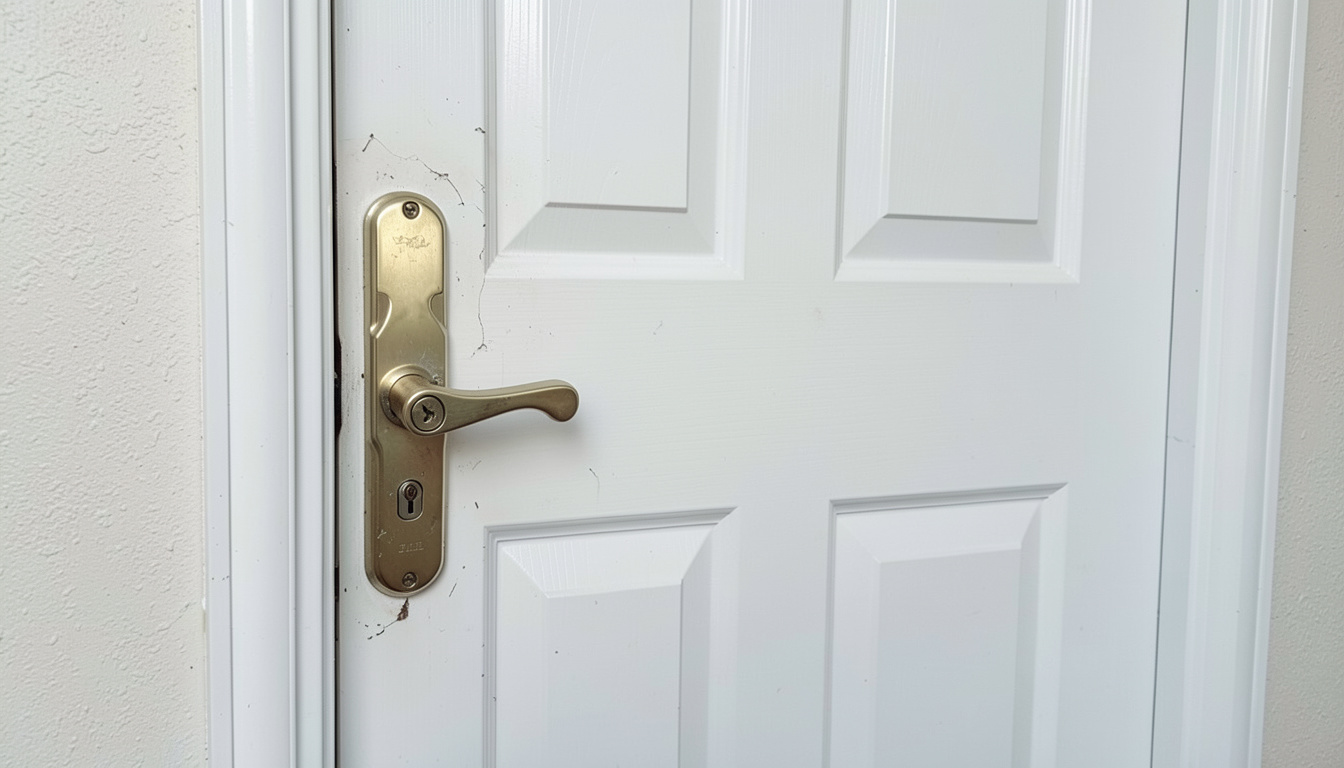
Pin tumbler locks and basic padlocks are typically the fastest to open. Euro cylinder locks fitted to UPVC and composite doors are common across Leeds and usually fall into the moderate category. Five-lever mortice locks that meet British Standard BS3621 are built to resist picking, so they naturally take longer. Smart locks, keypad entry systems, and biometric locks introduce an electronic element that can add time, especially if a manufacturer reset is needed.
Condition of the lock and door
A well-maintained lock on a door that closes properly is far quicker to deal with than one that’s rusted, swollen with damp, or misaligned after years of use. Cold weather can also cause locks to stiffen, which slows things down slightly.
How the lockout happened
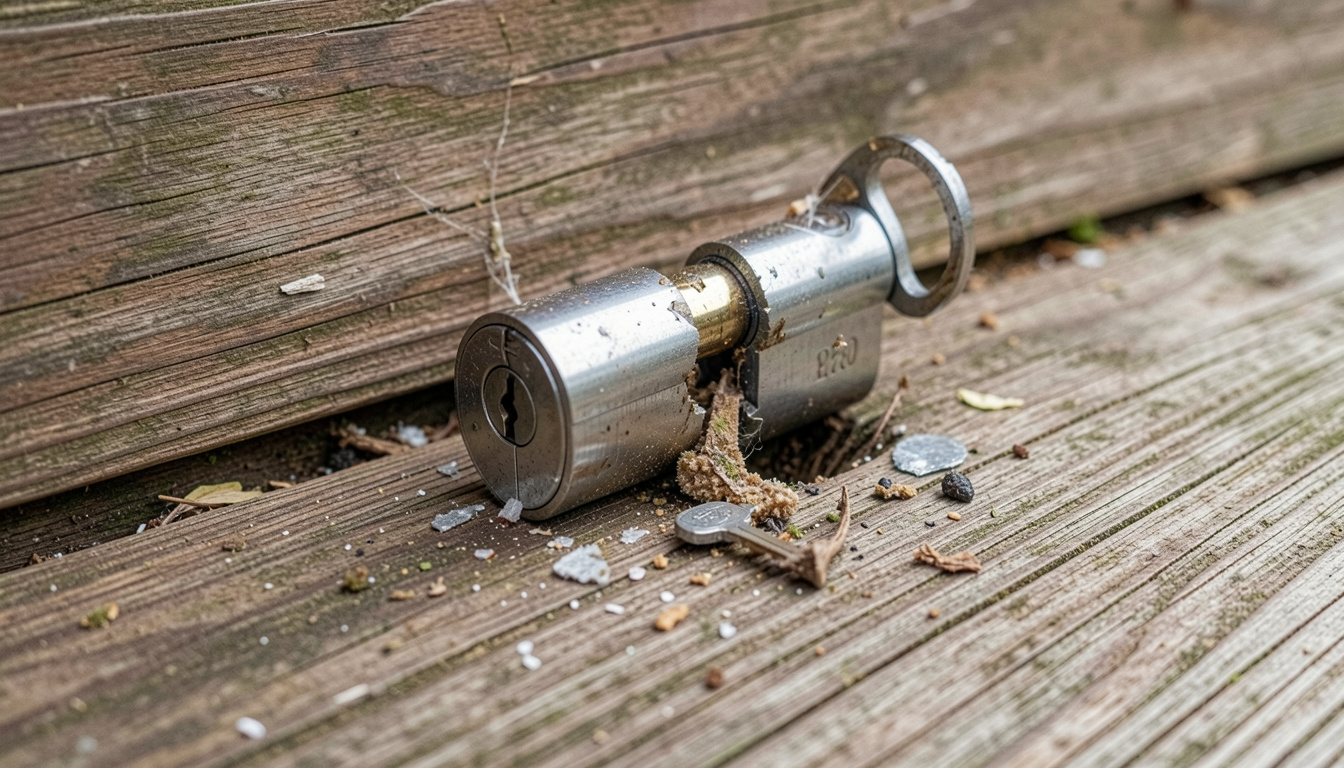
A simple case of leaving keys inside is usually the fastest scenario. A snapped key stuck inside the cylinder, a broken multi-point locking mechanism on a UPVC door, or a lock that’s already been forced by someone trying to get in (or out) all add extra time, since the locksmith has to extract debris or assess damage before they can even start opening the lock properly.
The locksmith’s experience and tools
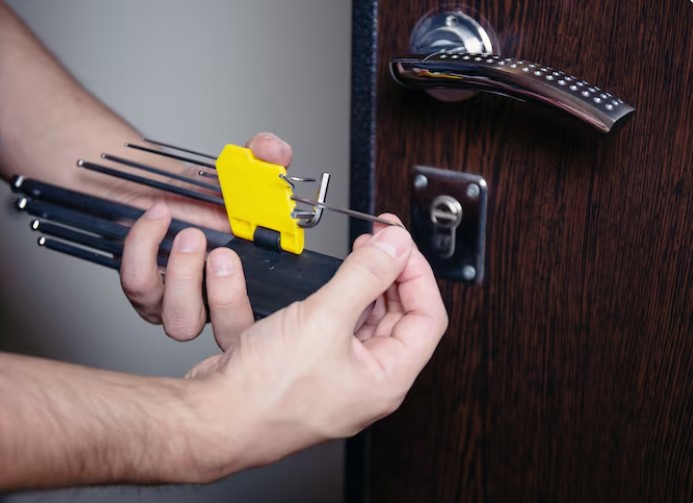
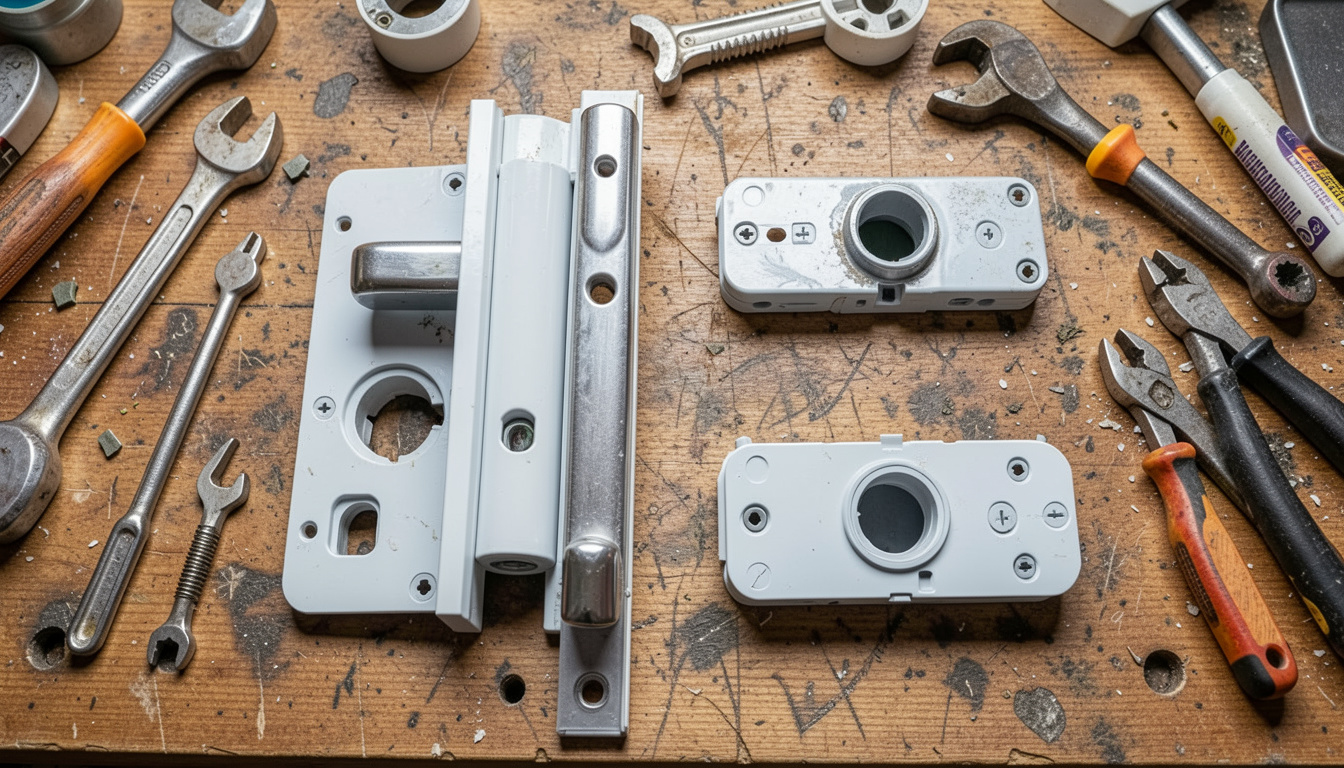
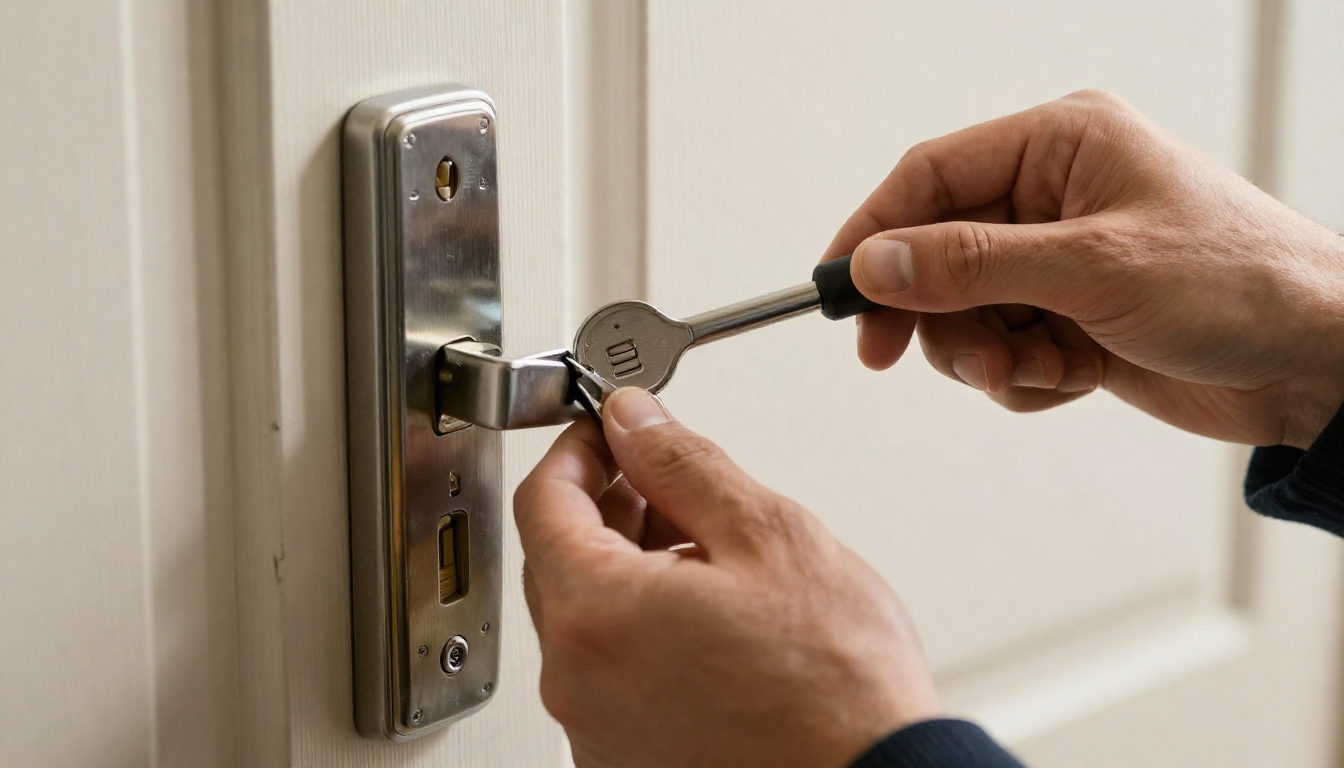
An experienced locksmith carries a range of picks, tension tools, bypass tools, and decoding equipment, and knows which method suits which lock. This experience is often the single biggest factor in how quickly a job gets done, far more than the lock itself in many cases.
Access and verification
Before any work begins, a reputable locksmith will check identification or proof of address to confirm you’re entitled to access the property. This only takes a minute or two but is a non-negotiable step for any trustworthy locksmith Leeds based or otherwise.
What Actually Happens When a Locksmith Arrives
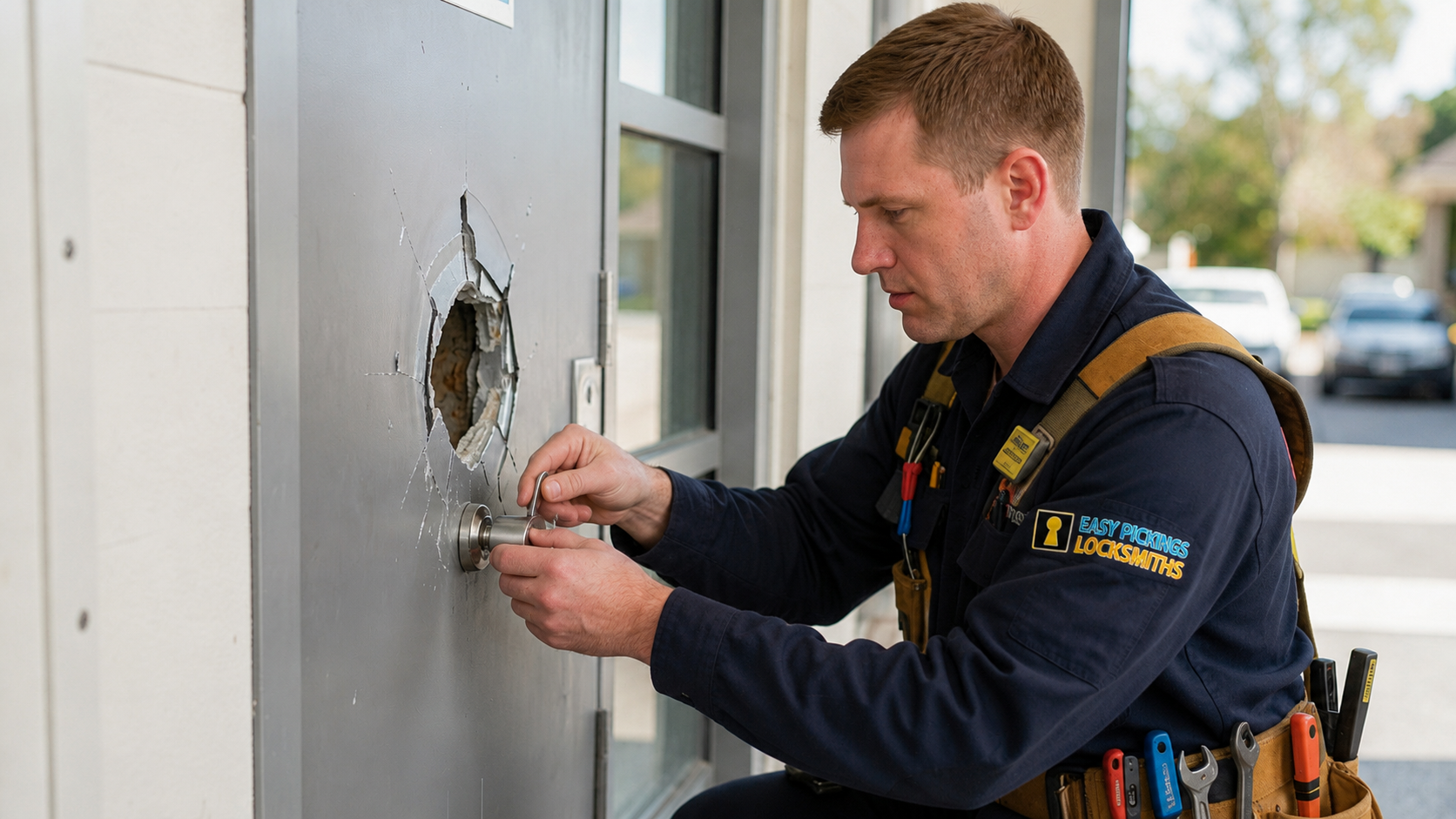
Most lockout appointments follow a fairly predictable pattern. First, the locksmith assesses the door and lock type, often within the first minute or two of arriving, to decide on the best non-destructive method. They’ll then verify your identity or right of access, which is standard practice and a sign you’re dealing with a legitimate professional rather than someone cutting corners.
From there, they’ll attempt the least invasive method first, whether that’s picking, bypassing, or decoding the lock. If the lock opens cleanly, that’s usually the end of the job, sometimes with a quick check that the lock still functions correctly afterwards. If the lock is damaged, jammed, or too high-security to pick safely, drilling becomes the fallback option, which does mean the lock will need replacing, but this is relatively rare for straightforward residential lockouts.
Lock Types and Typical Opening Times
To give a clearer picture, here’s roughly how different lock types compare in terms of typical opening time for an experienced locksmith.
Standard pin tumbler locks and basic padlocks generally open within five to fifteen minutes. Euro cylinder locks on UPVC or composite doors, including older non-anti-snap versions, typically take ten to twenty minutes. Modern anti-snap and anti-pick euro cylinders, designed for extra security, can take twenty to forty minutes given they’re built specifically to resist fast entry. Five-lever mortice locks meeting BS3621 standards usually fall in a similar twenty-to-forty-minute range due to their more complex internal mechanism. Smart locks and digital keypad systems vary widely, from a quick reset taking minutes to a longer process if a manufacturer override is needed.
These are general guides rather than guarantees, since every door and every lock has its own quirks.
Why Response Time Matters Just as Much as Opening Time
When people search for how long a locksmith takes, they’re often thinking about two separate things: how long it takes the locksmith to arrive, and how long it takes them to actually open the lock once they’re there. Both matter, especially if it’s late at night, you’re locked out in poor weather, or there’s a safety concern like a child or pet on the other side of the door.
This is exactly why genuine 24/7 locksmith Leeds cover is so valuable. A real emergency locksmith service doesn’t just promise round-the-clock availability on paper, it backs it up with a realistic response time, often arriving within thirty to sixty minutes depending on your location and the time of day. Combine a fast arrival with an efficient, non-destructive opening method, and you’re looking at a total time of under an hour for the vast majority of lockouts.
If you ever search for emergency locksmiths Leeds residents recommend, it’s worth checking reviews for mentions of both speed of arrival and how the job itself was handled, since a fast response followed by a slow, fumbling job isn’t much better than the reverse.
How to Help Speed Things Up?
There are a few small things you can do on your end that genuinely cut down on total time. Have some form of ID or proof of address ready before the locksmith arrives, since this avoids any delay once they’re on site. Try to describe the lock and door type accurately when you call, whether it’s a UPVC door, a wooden door with a mortice lock, or a smart lock, so the locksmith can bring the right tools from the outset. Avoid attempting a DIY fix with household tools beforehand, as this often damages the lock further and actually extends the time needed to open it properly. And where possible, mention if the key has snapped inside the lock or if the door has been forced, since this changes the approach needed.
Easy Pickings Locksmiths handles lockouts across Leeds with exactly this kind of efficient, assessment-first approach, aiming to get you back inside as quickly as possible without unnecessary damage to your door or lock.
Frequently Asked Questions
How long does an emergency locksmith take to arrive?
Response times vary by location and time of day, but a genuine 24/7 service in a city like Leeds typically aims for thirty to sixty minutes for emergency callouts.
Can a locksmith open a door faster if I describe the lock beforehand?
Yes. Telling the locksmith whether it’s a euro cylinder, mortice lock, or smart lock when you call allows them to bring the right tools and often speeds up the job once they arrive.
Why do some locks take much longer to open than others?
High-security locks, such as anti-snap euro cylinders and BS3621 mortice locks, are specifically designed to resist quick manipulation, so they naturally take a locksmith longer to open safely.
Does a locksmith always need to drill the lock?
No, drilling is generally a last resort. Most locks can be opened through picking, bypassing, or decoding without any damage, with drilling reserved for damaged or extremely high-security locks.
Will it take longer if my key has snapped inside the lock?
Usually, yes. The locksmith first needs to safely remove the broken key fragment before attempting to open the lock, which adds a small amount of extra time.
Is a fast locksmith always a sign of good quality work?
Not necessarily on its own. Speed should be paired with care, proper ID checks, and minimal damage to the lock and door, rather than judged purely on how quickly the job is finished.
Final Thoughts
So, how long does it take a locksmith to open a door? For most everyday lockouts involving standard or moderately secure locks, you’re typically looking at somewhere between fifteen and thirty minutes once help arrives, with higher-security locks taking a little longer due to their design. Combine that with a prompt, genuinely round-the-clock response, and most people are back inside their home, office, or car within the hour. Choosing an experienced, properly verified locksmith makes the biggest difference to both how quickly and how safely the job gets done.